Table of Contents
Quick Summary / At A Glance
- Wash your face gently every night before bed to remove the day’s dirt, oil and any makeup.
- Keep a young girl’s routine simple: gentle cleansing, light moisturising and sunscreen in the daytime.
- Use broad-spectrum sunscreen with SPF 30 or higher every day, even when it is cloudy.
- Choose gentle, fragrance-free products for sensitive skin, and avoid harsh chemicals and strong exfoliants.
- Ask a parent or guardian for help, and see a dermatologist if breakouts, eczema or irritation continue.
Young girls often think skin care means washing the face and adding moisturiser, and then the routine is finished. The guidance in this article points to a few simple habits that are easy to overlook.
Those habits do not need to be complicated or expensive. A gentle routine, done regularly, can help remove dirt and oil, support comfortable skin, and protect skin from the sun.
Start With Washing Your Face at Night
Washing the face every night before bed is described as one of the most important habits to build. It removes dirt and any makeup built up during the day, so it does not stay on the skin overnight.
Leaving the day’s dirt and makeup on overnight can clog pores. A short wash at night is a simple way to give skin a clean start for the next day.
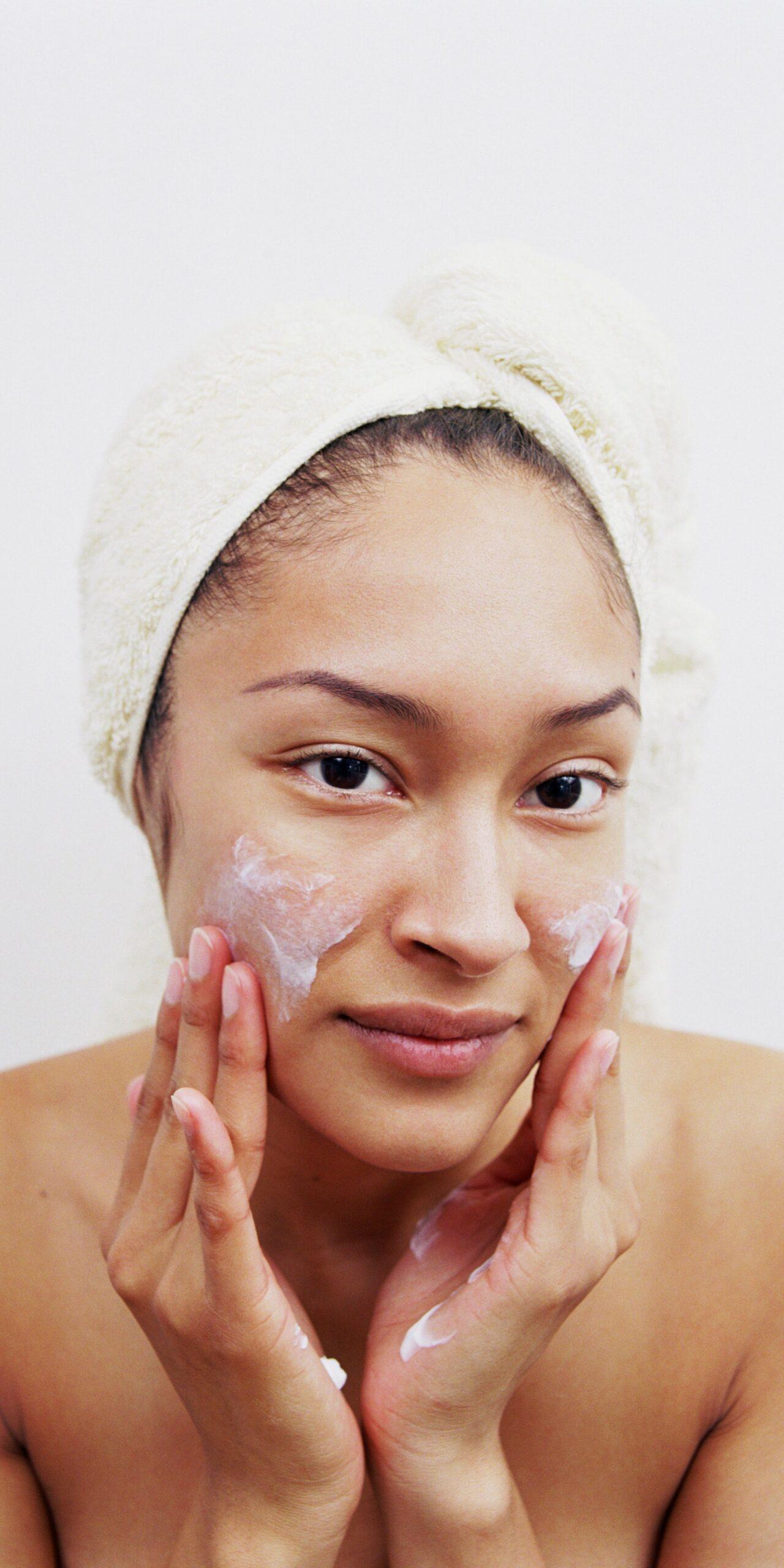
To cleanse, apply a gentle cleanser to wet skin and massage it in for about 30 seconds. Rinse well with warm water, using lukewarm water rather than hot water.
Be gentle while you wash. Scrubbing hard can irritate young skin and may make breakouts feel worse.
Cleanse every day, morning and night if that suits the child’s skin, using a gentle cleanser that is not harsh or drying. For many younger girls, cleansing once a day may be enough, so adjust with a parent or guardian’s help.
A Simple Routine Is Enough for Young Skin
There is no single set age when every girl should start a routine. The article notes that basic care, such as sunscreen and moisturiser, can start young, while every child will have different needs.
A 9-, 10- or 11-year-old does not need an extensive routine like an older teenager or an adult. Cleansing, moisturising and sun protection cover the basics described throughout the original article.
Children with eczema or another skin condition may need more specialised care. A parent or guardian and a dermatologist can help decide what is suitable for that child.
Watch: Simple Skin Care Tips in a Short Video
Moisturising Gently, Every Day
Moisturising helps hydrate skin and prevent dryness, especially for dry skin. Apply moisturiser after cleansing, while skin is still slightly damp if that feels comfortable.
Choose the texture to suit skin type, as the article described. A light lotion or gel may suit oily or combination skin, while drier skin may prefer a cream.
After washing, apply a light moisturiser to help hydrate the skin. Choose one described as non-comedogenic, so it will not clog pores, and look for products labelled for sensitive skin.
Look for gentle, fragrance-free products made for sensitive skin where possible. Avoid the eye area when applying products unless a product is made for that area.
Sunscreen Every Day, Even When It Is Cloudy
Sunscreen is the habit the article returns to most often. Apply it before heading outdoors, in any season and even for a short time outside.
UV rays can damage skin even when it is not sunny for long. The article recommends broad-spectrum sunscreen with an SPF of at least 30 for adequate protection.
Apply sunscreen to all exposed areas before going outside. Teach this as a daily habit, in the same way as cleansing at night.
The Basics at a Glance: A Simple Comparison Table
The table below summarises only the routine described in this article. It is a guide to the basics, not a list of products to buy.
| Step | When | Gentle reminder |
|---|---|---|
| Cleansing | Morning and/or night | Use a gentle cleanser and lukewarm water; do not scrub. |
| Moisturising | After cleansing | Use a light, fragrance-free moisturiser suited to skin type. |
| Sunscreen | Every daytime, before going out | Broad-spectrum, SPF 30 or higher, even when cloudy. |
| Exfoliation | Only occasionally, if needed at all | Be very gentle; stop if skin becomes irritated. |
| Products to avoid | At this age | Harsh chemicals, astringents, retinol and glycolic acid. |
Exfoliation: Gentle, Occasional and Optional
The original article mentions exfoliating to remove dead skin cells. For young girls, this step should stay gentle and occasional, and many younger children will not need it at all.
Overdoing exfoliation can irritate skin, so never use harsh scrubs or strong exfoliants on young skin. If skin stings, feels sore or looks irritated, stop and ask a parent or guardian for advice.
Avoid products with retinol or glycolic acid for young children, as the article’s guidance for 9-year-olds advised. A dermatologist can advise if there is a particular skin concern.
Choosing Gentle Products for Young Skin
Start by noticing skin type: dry, oily or a combination. That helps a parent or guardian choose a gentle cleanser and moisturiser that suit the child.
Product texture can match that skin type. A gel or foam cleanser may suit oily skin, while a cream or lotion cleanser may suit dry skin, and moisturiser choices vary in the same way.
Look for hypoallergenic, fragrance-free formulas designed for sensitive skin. The article also mentions hydrating ingredients such as hyaluronic acid or glycerin in a cleanser or moisturiser.
Stick to gentle cleansers and avoid toners or astringents altogether for younger children, as the original guidance advised. If a toner is used by an older girl, it should be alcohol-free and made for sensitive skin, and it is not an essential step.
Do not copy an adult routine or buy a long list of products. Young skin changes during puberty, so keeping the routine short makes it easier to notice what irritates skin.
How Skin Changes During Puberty
Skin is the body’s largest organ, and it does more than hold everything together. It protects you from the sun, keeps your insides in, and helps regulate your temperature.
During puberty, hormones cause changes in the way the body produces oil. Skin may become more oily or dry in places, and pimples or other blemishes may appear.
These changes are a normal part of growing up. They are a reason to keep habits gentle and steady, not a reason to add stronger and stronger products.
Healthy Habits That Support Skin
Drink plenty of water through the day to stay hydrated. The article links this simple habit with helping skin look healthy.
Eat healthy foods as part of normal family meals. This is general healthy living, not a diet, and no food needs to be treated as a promise for skin.
Remove any makeup before bed, if makeup is worn at all, and keep it light and suitable for sensitive skin. Heavy makeup is not needed for young girls, and skin should be cleansed gently at night.
Breakouts, Eczema and When to Ask for Help
Breakouts can happen as hormones change during puberty and skin produces more oil. That is common, and it is not a reason to scrub skin hard or use lots of strong products.
If breakouts are severe, painful or keep returning, a parent or guardian should arrange advice from a dermatologist. The original article noted that severe acne may need prescription care, which only a clinician can decide.
For eczema or other ongoing skin conditions, follow professional advice rather than trying home mixtures or spot treatments on your own. Stop using any product that causes irritation and tell a parent or guardian.
A Simple Routine by Age, Without the Repetition
At around 9 to 10, most girls need only gentle washing, a light moisturiser if skin is dry, and sunscreen. Most 10-year-olds do not need skin care products unless there is a skin problem.
At around 11 to 12, add consistency: cleanse gently, moisturise, and protect skin from the sun each day. Choose products for the child’s skin type and keep them free of harsh chemicals.
At around 15, hormonal changes may bring more oiliness or pimples, but the basics stay the same. Wash daily with a gentle cleanser, moisturise, and use sunscreen, and ask for dermatologist advice for ongoing problems.
Keep It Simple and Kind
The overlooked habits are simple ones: wash at night, moisturise gently, and wear sunscreen every day. Starting those habits young can help set the stage for healthy habits later in life.
Skin does not need to be perfect, and a routine should never become a worry. Keep it short, gentle and age-appropriate, with a parent or guardian involved in choosing products.
This article is general information only and is not medical advice. Please consult a healthcare professional for personal advice.