Table of Contents
Quick Summary / At A Glance
- For most people, aloe vera gel is a gentle, lightweight moisturiser for the face, and it is generally well tolerated on the skin.
- The best evidence is for burns and, when combined with other treatment, mild acne. Claims about wrinkles, dark spots and “anti-ageing” are much weaker.
- Some people get burning, itching or a rash from aloe. Always patch test first.
- Use gel on your skin only. Drinking aloe latex or whole-leaf products can be unsafe.
- Do not put aloe on severe wounds or serious burns. See a doctor instead.
Is aloe vera good for your face? For many people, yes, as a soothing, light moisturiser. But it is not the miracle cure some websites claim. In this guide, we look at what research actually shows, how to use aloe on your face safely, and who should skip it.
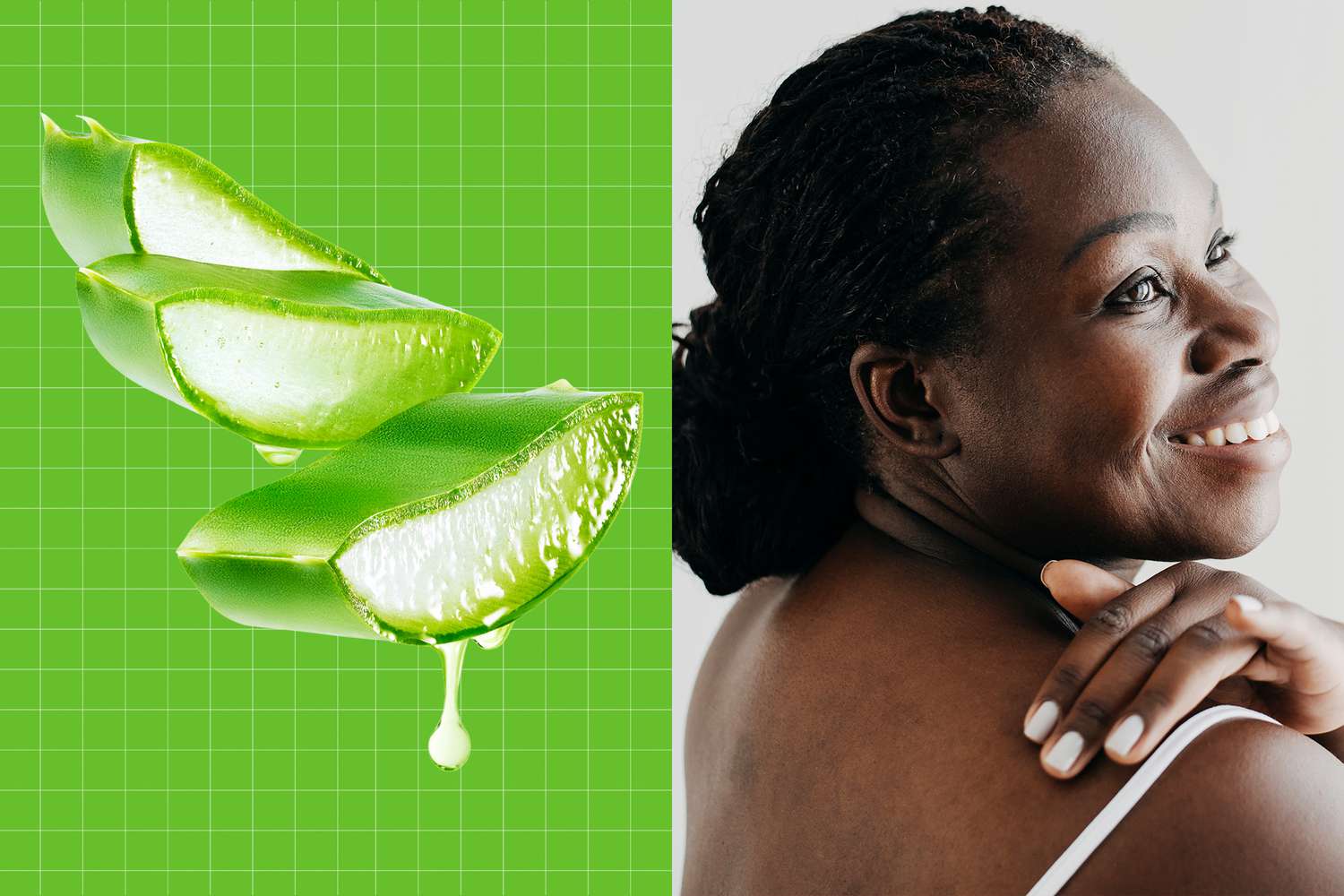
Aloe vera is a succulent plant. The clear gel inside the leaves is mostly water, and it has been used on skin for centuries. Today it is found in gels, creams, toners, after-sun products and face masks.
What Is in Aloe Vera Gel?
Aloe gel is about 99% water. The rest includes small amounts of sugars (polysaccharides), vitamins, minerals, enzymes, fatty acids and other plant compounds, according to Patient.info.
The polysaccharides help the skin hold on to moisture. That is the main reason aloe feels hydrating and cooling when you put it on.
It is important to know the difference between two parts of the leaf:
- Aloe gel: the clear inner part. This is what goes on the skin.
- Aloe latex: a yellow layer just under the skin of the leaf. It is a strong laxative and is not meant for skin care.
Is Aloe Vera Good for Your Face? What the Evidence Says
Many articles list 10 or more “benefits” of aloe. When you check the health research, the picture is more modest. Here is a simple summary based on the US National Center for Complementary and Integrative Health (NCCIH) and Mayo Clinic.
| Use on the face or skin | What research shows | Strength of evidence |
|---|---|---|
| Moisturising dry skin | Gel helps skin hold water and feels light and non-greasy | Reasonable for comfort |
| Burns (first and second degree) | May speed healing and reduce pain | Some clinical research |
| Sunburn | Feels cooling, but not enough proof it heals sunburn | Weak |
| Mild acne | May help when used with other acne treatment, such as tretinoin | Small studies |
| Psoriasis | Aloe cream might ease mild to moderate symptoms | Limited |
| Eczema | Not enough reliable information | Not proven |
| Wrinkles, dark spots, “anti-ageing” | Mostly based on lab or older studies | Weak |
Aloe for dry or tight skin
This is where aloe shines for everyday use. A thin layer of gel adds water to the skin and feels soothing. It suits people who find heavy creams too greasy.
On its own, though, aloe gel is light. If your face is very dry in winter, you may need a richer cream on top to lock the moisture in. Not sure whether your skin is dry or just thirsty? Our guide to dry vs dehydrated skin explains the difference.
Aloe for acne and breakouts
NCCIH reports that two small studies found aloe gel, used along with other treatment, may improve acne. Mayo Clinic notes that aloe gel combined with tretinoin might work better than the acne medicine alone.
That is promising, but it is not proof that aloe treats acne by itself. If you use prescription acne medicine, ask your doctor before adding aloe, and keep using the treatment you were given.
Aloe for sunburn and redness
Aloe is famous as an after-sun gel. Research suggests it may help first- and second-degree burns heal faster, but Mayo Clinic says there is not enough proof that it helps sunburn. Still, many people find the cooling feel comforting.
For everyday facial redness, aloe may feel calming, but it is not a fix for conditions like rosacea. See our tips on how to reduce facial redness naturally for a wider plan.
Aloe for wrinkles and dark spots
Some sites say aloe boosts collagen, removes dark spots or slows ageing. These claims rest mostly on lab work or older, small studies. Well-moisturised skin can look smoother, but aloe is not a proven anti-ageing treatment. Daily sunscreen does far more for preventing wrinkles and spots.
Side Effects: Can Aloe Vera Irritate Your Face?
Aloe gel on the skin is generally well tolerated. However, NCCIH notes there have been occasional reports of burning, itching, rash and eczema. A plant ingredient is not automatically gentle.
Watch out for these extra risks:
- Added fragrance, alcohol or dyes. Many “aloe” gels contain these, and they can sting sensitive skin. Our guide to fragrance-free skincare explains how to read labels.
- Raw gel from the plant. Patient.info notes that raw aloe can cause skin irritation or an allergic reaction in some people, so a patch test matters even more.
- Severe wounds. Patient.info advises against using aloe on severe wounds, as it may slow healing.
How to Use Aloe Vera on Your Face Safely
Step 1: Patch test first
Put a small amount on your inner arm or wrist and wait 24 hours. If you see redness, itching, burning or swelling, wash it off and do not use it on your face.
Step 2: Start with clean skin
Wash your face with a gentle cleanser and pat it dry.
Step 3: Apply a thin layer
Use clean fingers to spread a thin layer of gel. You can use it as a light moisturiser, or under a richer cream if your skin is dry.
Step 4: Follow with sunscreen in the morning
Aloe does not protect you from UV rays. In the daytime, finish with a broad-spectrum sunscreen.
Bottled gel or fresh from the plant?
Both can work. A simple bottled gel with a short ingredient list, no fragrance and no alcohol is the easiest choice. If you use a fresh leaf, cut it, let the yellow latex drain away, scoop out only the clear gel, and patch test it first.
Should You Drink Aloe Vera for Better Skin?
No. You do not need to drink aloe for your skin, and oral aloe carries real risks:
- Aloe latex taken by mouth can cause stomach cramps and diarrhoea.
- Mayo Clinic warns that taking 1 gram a day of aloe latex for a few days can cause kidney damage and might be fatal.
- NCCIH notes oral aloe leaf extracts have been linked to cases of acute hepatitis, and non-decolorised whole-leaf extract is classed as a possible carcinogen.
- Oral aloe may be unsafe during pregnancy and breastfeeding, and it can interact with medicines such as digoxin, diabetes medicines and diuretics.
Stick to using the gel on your skin. If you are thinking about any aloe drink or supplement, talk to a doctor or pharmacist first.
Who Should Be Careful With Aloe?
- People who have reacted to aloe or aloe products before
- People with very sensitive skin or active eczema (patch test carefully)
- Anyone using prescription skin treatments (ask your doctor first)
- Pregnant or breastfeeding people considering oral aloe (avoid unless a doctor says otherwise)
When to See a Doctor
Stop using aloe and get medical advice if:
- Your skin becomes red, swollen, blistered or very itchy after using it
- A reaction does not settle after you wash the gel off
- You have a serious, large or blistering burn
- A wound or sore is not healing, or looks infected (pus, spreading redness, warmth)
- Acne is painful, leaves scars, or does not improve with gentle care
FAQ: Aloe Vera for Your Face
Can I leave aloe vera on my face overnight?
Many people do, once they have patch tested and know their skin tolerates it. Use a thin layer. If your skin feels tight or irritated in the morning, rinse it off sooner or stop.
Is aloe vera good for oily skin?
Aloe gel is light and non-greasy, so many people with oily or combination skin like it as a moisturiser. Choose a gel without heavy oils or fragrance.
Can aloe vera remove dark spots?
There is no strong evidence that it does. For dark spots, daily sunscreen and proven ingredients are better options. Speak to a dermatologist if spots change or worry you.
Can I use aloe vera every day?
If your skin tolerates it, daily use is generally fine. Stop if you notice burning, itching or a rash.
Is aloe vera good for your face in winter?
It can help as a light hydrating layer, but on its own it may not be rich enough for very dry winter skin. Layer a thicker, fragrance-free cream on top.
Conclusion
So, is aloe vera good for your face? For most people it is a safe, soothing, lightweight moisturiser, and it may help burns and, with other treatment, mild acne. It is not a proven cure for wrinkles, dark spots or eczema.
Patch test first, pick a simple fragrance-free gel, use it on your skin only, and see a doctor for serious burns, wounds or reactions.
This article is general information only and is not medical advice. Please consult a healthcare professional for personal advice.