Table of Contents
Introduction: The Ancient Secret to Modern Weight Loss
Japanese Water Therapy for Weight Loss is a morning hydration practice claimed to aid weight management. It works best combined with diet and exercise. Benefits are typically modest and vary by individual. This practice is NOT a cure for any disease.
Follow this guide to practice water therapy safely and effectively.
What is Japanese Water Therapy?
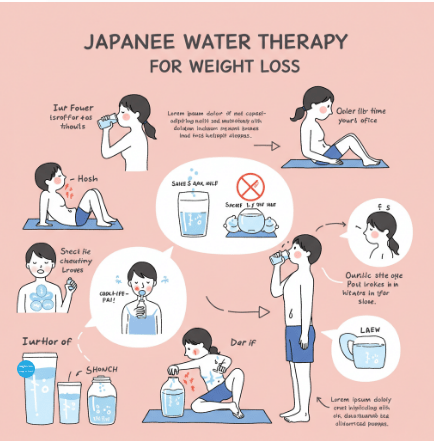
Japanese Water Therapy involves drinking room-temperature water on an empty stomach each morning. Proponents claim it flushes toxins, aids digestion, and boosts metabolism.
Japanese Water Therapy for Weight Loss Protocol: Step-By-Step
Follow this step-by-step protocol.
Incorporating Japanese Water Therapy for Weight Loss into your routine can lead to positive changes.
Phase 1: The Morning Flush
- Wake Up: Immediately upon waking—before checking your phone or leaving your bed.
- Drink Water: Drink 4 to 6 small glasses of water.
- Volume: Approximately 160ml–200ml per glass (Total target: ~640ml to 800ml).
- Temperature: Must be room temperature or lukewarm. Never ice cold.
- Oral Hygiene: After finishing the water, you may brush your teeth.
Phase 2: The Fasting Window
- Wait 45 Minutes: Do not eat or drink anything (including tea or coffee) for 45 minutes.
- Why? This allows the water to pass through the stomach and into the colon, flushing toxins without being absorbed by food.
- Eat Breakfast: After 45 minutes, eat a normal, nutrient-dense breakfast.
Phase 3: The Eating Rule (Crucial for Weight Loss)
- The 15-Minute Rule: Eat your meals (breakfast, lunch, and dinner) within a 15-minute window.
- The 2-Hour Gap: After finishing a meal, do not eat or drink anything for the next 2 hours.
- Why? This prevents the dilution of digestive juices and ensures optimal nutrient absorption and fat metabolism.
How It Burns Fat: The Science & Theory
This therapy works through four main mechanisms.
1. Induced Thermogenesis
Large water intake increases resting energy expenditure (REE) temporarily, boosting calorie burn.
2. Calorie Restriction via Satiety
Pre-breakfast water fills the stomach, suppressing hunger hormones and reducing calorie intake throughout the day.
3. Elimination of “False Hunger”
Morning hydration distinguishes real hunger from dehydration, reducing unnecessary snacking.
4. Digestive Detoxification
Morning water may aid digestion and promote regular bowel function.
Comprehensive Benefits Chart
Beyond weight loss, here are the benefits widely reported across top health platforms:
| Benefit Category | Specific Effects |
| Skin Health | Flushes toxins that cause acne; hydrates skin cells for a natural “glow” and improved elasticity. |
| Digestion | Relieves constipation; reduces bloating; balances stomach acid levels (relieving heartburn). |
| Kidney Health | Dilutes urine to prevent kidney stones; flushes out bacteria to prevent UTIs. |
| Energy & Brain | Rehydrates the brain after sleep, reducing morning “brain fog” and fatigue. |
Side Effects & Safety Precautions
IMPORTANT MEDICAL DISCLAIMER: This therapy carries serious health risks. Consult your healthcare provider before starting. Excessive water intake can be dangerous.
- Water Intoxication (Hyponatremia) – A SERIOUS Risk: Drinking too much water too rapidly can dilute sodium levels in the blood, causing hyponatremia, which can be life-threatening. Do not exceed 1 liter per hour. Symptoms include nausea, dizziness, confusion, and in severe cases, seizures or coma. This risk is SIGNIFICANTLY ELEVATED for people with kidney disease, heart conditions, or those taking certain medications. Stop immediately if you feel unwell.
- Frequent Urination: Expect to visit the bathroom frequently in the morning. This is the intended “flushing” mechanism but can be inconvenient for commuters.
- Eating Window Difficulty: Eating a full meal in 15 minutes can lead to indigestion for some. Chew thoroughly to avoid this.
- Not a Magic Pill: All experts agree: this therapy cannot cure cancer or diabetes on its own, despite traditional claims. It must be paired with a healthy diet.
Success Tips for Beginners
- Start Slow: If 4 glasses feel impossible, start with 1 or 2 and add one more every few days.
- Add Flavor (Optional): While purists say plain water is best, some variations allow a squeeze of lemon or a pinch of salt to help with electrolyte balance.
- Stick to the Schedule: The 2-hour post-meal fasting window is just as important as the morning water.
Expected Results & Timeline
Most practitioners report noticeable improvements within 2-4 weeks of consistent practice. Research from Yale health resources suggests weight loss of 4-10 pounds in 4-6 weeks when combined with a balanced diet and light exercise. Individual results vary significantly based on diet quality, exercise frequency, sleep, and metabolism.
Dietary Recommendations During Eating Windows
For optimal results during your 15-minute eating windows, focus on whole foods and lean proteins. Eat vegetables, whole grains, and healthy fats while avoiding processed foods, sugar, and excessive calories. Chew thoroughly to aid digestion and maximize nutrient absorption. Breakfast should be nutrient-dense with protein, fiber, and healthy fats to support satiety and prevent cravings later in the day.
Combining Japanese Water Therapy with Exercise
Exercise amplifies the weight loss benefits of Japanese Water Therapy. Light to moderate aerobic activity (walking, swimming, cycling) 3-4 times weekly accelerates calorie burn and metabolism. Strength training 2-3 times weekly preserves muscle mass while losing fat. Avoid intense exercise immediately after the morning water intake; wait 45 minutes and eat breakfast first. Stay well-hydrated throughout the day by drinking water between meals, honoring your 2-hour fasting windows.
The Science: Key Research Findings
Research published in peer-reviewed journals demonstrates that increased water intake significantly raises resting energy expenditure (REE) in adults. Studies show that drinking water boosts metabolic rate temporarily by up to 30%, especially on an empty stomach. The 2-hour post-meal fasting window prevents digestive juice dilution, optimizing nutrient absorption. Combined dietary changes and water therapy can produce measurable weight reduction and improved body composition when practiced consistently over 4-8 weeks.
Conclusion
Water therapy is a modest, complementary approach to weight management. It’s NOT a cure or standalone solution. Combine with diet, exercise, sleep, and stress management. Consult your doctor before starting.
Your Next Step: Prepare a liter of water on your nightstand tonight. Set your alarm 15 minutes early to allow time for the “Morning Pour” and begin your journey to a lighter, healthier body.
Frequently Asked Questions (FAQs) About Japanese Water Therapy
What if I have trouble drinking 4-6 glasses of water in one sitting?
Start with 1-2 glasses and gradually increase. Your body will adapt. Go at your own pace.
How long does it take to see results from Japanese Water Therapy?
Most see improvements within 2-4 weeks. Significant results vary based on diet, exercise, and individual factors.
Can I drink cold water instead of room temperature water for this therapy?
Room temperature or warm water is recommended. Cold water may reduce effectiveness and cause digestive discomfort.
Is Japanese Water Therapy safe for people with kidney disease?
No, people with kidney disease should not practice Japanese Water Therapy without medical supervision. Excessive water consumption can strain the kidneys. Always consult your healthcare provider before starting this regimen if you have any medical conditions.
Do I need to follow a specific diet while doing Japanese Water Therapy?
Not required, but combining with a healthy diet improves results. Focus on whole foods and lean proteins.
Can pregnant or nursing women practice Japanese Water Therapy?
Pregnant and nursing women should consult their healthcare provider. Pregnancy and lactation have unique hydration needs.
What if I’m too busy to wait 45 minutes after drinking water?
The 45-minute wait is ideal, but aim for at least 30 minutes. Consistency matters more than perfection.
Can children use Japanese Water Therapy?
Not specifically designed for children. Consult a pediatrician before implementing this therapy for children.
Should I stop taking my medications while doing this therapy?
Absolutely not. Never discontinue or alter medications without medical advice. Japanese Water Therapy complements medical treatment but doesn’t replace it. Discuss this practice with your doctor to ensure it doesn’t interact with your medications.
Can I drink other beverages instead of water (tea, juice, coffee)?
No, water is specifically needed for this therapy. Teas, juices, coffee, and other beverages don’t provide the same benefits. Pure filtered or purified water is essential for optimal results. Other drinks can be consumed later in the day as desired.
Benefits of Japanese Water Therapy
- Boosts Metabolism: Drinking water in the morning can help kickstart your metabolism, aiding in weight loss.
- Improves Digestion: Water helps flush out toxins and supports healthy bowel movements.
- Enhances Skin Health: Proper hydration can lead to clearer, more radiant skin.
- Promotes Overall Well-being: Staying hydrated supports energy levels, mental clarity, and immune function.