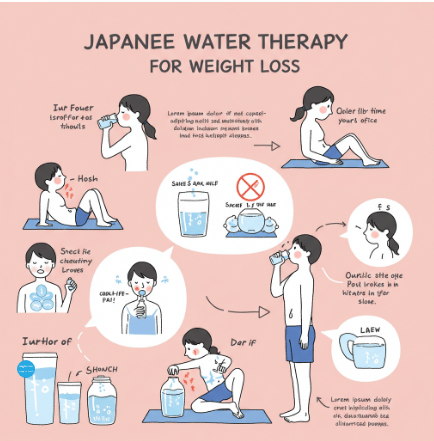
Important safety note — please read first: Japanese water therapy is not a proven weight-loss treatment. Drinking water may support healthy hydration habits, but it does not guarantee weight loss. Drinking too much water too quickly can be dangerous. Talk to a doctor before trying this, especially if you have kidney, heart or other medical conditions, are pregnant or nursing, or take regular medication. This article is general information only and is not medical advice. Please consult a healthcare professional for personal advice.
Table of Contents
Introduction
Japanese water therapy is a morning hydration practice in which you drink room-temperature water on an empty stomach. Some people use it as part of a wider healthy routine. It may support hydration habits and help some people feel fuller before breakfast, which could help them eat less at that meal. It is not a proven weight-loss treatment on its own.
What is Japanese water therapy?
The practice involves drinking room-temperature or lukewarm water first thing in the morning, waiting before eating, and leaving gaps after meals. Its roots are in traditional Japanese wellness habits. Water is essential for the body, but claims that this routine removes toxins or melts fat are not supported by strong evidence.
Japanese water therapy protocol: step by step
Phase 1: Morning water
- On waking, drink water at room temperature or lukewarm. The traditional routine suggests 4 to 6 small glasses (about 640ml to 800ml in total), but many people should start with 1 or 2 glasses and increase slowly only if comfortable. Never force yourself to drink a large amount quickly.
- After drinking, you may brush your teeth.
Phase 2: Waiting before breakfast
- Wait about 45 minutes before eating or drinking anything else, including tea or coffee.
- Then eat a normal, balanced breakfast.
Phase 3: Eating pattern during the day
- The traditional routine suggests eating meals within about 15 minutes and then not eating or drinking for about 2 hours after each meal. This part is difficult for many people and is not essential for healthy hydration. Eat at a comfortable pace and do not follow any part of the routine that makes you unwell.
How water may help — and what it cannot do
- Hydration: Drinking water in the morning replaces fluid lost overnight.
- Fullness: Water before a meal may help some people feel fuller and eat a little less.
- Thirst vs hunger: Thirst is sometimes mistaken for hunger, so drinking water may reduce unnecessary snacking for some people.
- Digestion: Adequate hydration supports normal digestion and regular bowel movements. Water does not flush toxins out of the body in a special way — the liver and kidneys do that job as part of normal body function.
- Energy use: Any rise in energy use after drinking water is small and temporary and is unlikely to cause weight loss by itself.
Possible benefits
People who drink enough water may notice better hydration, more regular bowel habits, and skin that feels less dry. These are general effects of adequate hydration, not guaranteed results of this therapy, and they vary between people.
Side Effects & Safety Precautions
IMPORTANT MEDICAL DISCLAIMER: This therapy carries health risks for some people. Consult a doctor before trying it if you have any medical condition or take medication.
- Water intoxication (hyponatraemia) — a serious risk: Drinking too much water too quickly can dilute sodium in the blood, which can be dangerous. Do not exceed comfortable amounts, and seek urgent help for confusion, vomiting, severe headache or seizures.
- Frequent urination: Expect to visit the bathroom more often in the morning.
- Eating window difficulty: Eating a full meal in 15 minutes can cause indigestion for some people.
- Not a magic pill: This therapy cannot cure cancer, diabetes or any other disease, and it is not a substitute for medical treatment.
Success tips for beginners
- Start slow: begin with 1 or 2 glasses and increase gradually only if you feel well.
- Plain water is best; do not add anything unless you have checked it is safe for you.
- Be consistent with general healthy habits: balanced meals, activity and sleep matter more than any single routine.
- Stop and seek advice if you feel unwell.
Expected results and timeline
Some people say they feel more hydrated within a few weeks. Weight change, if any, is likely to be modest and will depend mainly on your overall diet, activity and health. There is no guaranteed timeline or result.
Dietary recommendations during eating windows
Focus on whole foods, vegetables, fruit, whole grains and lean protein, and limit highly processed foods and sugary drinks. A balanced diet you can maintain is more important than strict timing rules.
Combining water therapy with exercise
Regular activity, such as walking, supports general health and weight management. Drink water before, during and after exercise as needed, and do not restrict fluids around workouts.
What the science says
Studies suggest drinking water, especially before meals, may help some people eat slightly less, and replacing sugary drinks with water can reduce calorie intake. Evidence for Japanese water therapy itself as a weight-loss treatment is limited, so treat strong claims with caution.
Conclusion: Japanese water therapy summary
Japanese water therapy is a simple hydration habit that may support a healthy routine for some people. It is not a cure or a standalone weight-loss treatment. Start gently, listen to your body, and focus on balanced eating, activity and sleep.
Frequently asked questions
What if I cannot drink 4–6 glasses at once?
Start with 1 or 2 glasses. Never force large amounts.
How long until I see results?
There is no guaranteed result. Any weight change depends on your overall lifestyle.
Can I drink cold water?
The traditional routine uses room-temperature water, which many people find easier to drink in the morning.
Is it safe with kidney disease?
No — people with kidney disease should not try this without medical advice, as fluid limits may apply.
Can pregnant or nursing women try it?
Talk to a doctor or midwife first.
Should I stop my medication?
Absolutely not. Never stop prescribed medication because of a water routine.
Can I drink tea, juice or coffee instead?
The traditional routine uses plain water in the morning. Other drinks count towards daily fluids at other times.
This article is general information only and is not medical advice. Please consult a healthcare professional for personal advice.