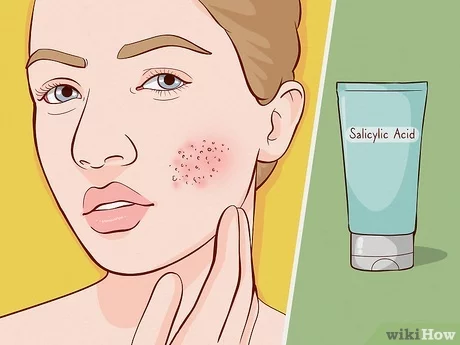
Knowing how to choose skincare products requires understanding your unique skin type and matching it with the right ingredients and expert recommendations.
Understanding how to choose skincare products is key to achieving a healthy complexion.
When learning how to choose skincare products, consider the specific ingredients and formulations that best match your skin’s needs.

Credit: www.wikihow.com
Table of Contents
Choose the Right Skincare Products for Your Skin Type
Choosing the right skincare products can be challenging. Understanding your skin type is the first step. Different skin types need different products. This guide helps you identify your skin type.
Identifying Your Skin Type
Determining your skin type is essential. It ensures you use the best products. Here are simple steps to identify your skin type:
- Wash your face with a gentle cleanser.
- Pat it dry with a clean towel.
- Wait for an hour without applying any products.
- Observe how your skin feels and looks.
Common Skin Characteristics
Each skin type has unique characteristics. Here’s a breakdown:
| Skin Type | Characteristics |
|---|---|
| Oily Skin | Shiny, greasy, large pores, prone to acne. |
| Dry Skin | Flaky, rough, tight, dull appearance. |
| Combination Skin | Oily T-zone, dry or normal cheeks. |
| Normal Skin | Balanced, smooth, few imperfections. |
| Sensitive Skin | Red, itchy, prone to irritation. |
Understanding how to choose skincare products with specific ingredients can enhance the overall health of your skin.
Ingredients To Look For
One important aspect of how to choose skincare products is knowing your skin type and matching it with the right ingredients.
Choosing the right products for your skin can be tricky. Knowing which ingredients to look for can make a huge difference. Some ingredients can benefit your skin, while others can harm it. Here’s a guide to help you make an informed decision.
Beneficial Ingredients
When shopping for skincare products, look for these beneficial ingredients:
- Hyaluronic Acid: This helps to hydrate the skin by retaining moisture.
- Vitamin C: It brightens the skin and reduces dark spots.
- Niacinamide: This ingredient can reduce redness and improve elasticity.
- Retinol: Known for its anti-aging properties, it can smooth out wrinkles.
- Ceramides: These help to restore the skin barrier and lock in moisture.
Harmful Ingredients
Avoid these harmful ingredients to protect your skin:
- Parabens: These are preservatives that can cause skin irritation.
- Sulfates: Often found in cleansers, they can strip the skin of natural oils.
- Fragrance: Added scents can cause allergic reactions or irritation.
- Alcohol: This can dry out the skin and lead to irritation.
- Phthalates: These chemicals can disrupt hormones and harm the skin.
Understanding which ingredients benefit or harm your skin is essential. This helps you choose the right products and maintain healthy skin.
Your complete skincare journey depends on understanding not just individual ingredients and skin types, but also building a comprehensive routine that covers all essential steps. A proper skincare routine should include cleansing, treatment with targeted serums or products, moisturizing, and sun protection. Beyond that, recognizing trusted brands and being familiar with dermatologist-recommended ingredients ensures you’re making informed choices.
Trusted dermatologist-recommended brands include CeraVe, La Roche-Posay, SkinCeuticals, and Neutrogena. These brands are known for their effectiveness, safety, and clinical backing. Additionally, some recommended ingredients by dermatologists include Retinoids (Retinol, Adapalene) for cell turnover and anti-aging, Vitamin C for brightening and protection, Hyaluronic Acid for deep hydration, and Zinc Oxide & Titanium Dioxide for mineral UV protection. Before committing to full-size products, consider requesting samples from brands to test how your skin responds. This approach helps prevent wasting money on products that may not work for your unique skin.
Patch Testing
Identifying Your Skin Concerns
When it comes to finding the right products for your skin, patch testing is a crucial step in ensuring that the products you use are suitable for your skin type. Patch testing helps you identify any potential allergic reactions or irritations before applying the product to your entire face or body.
Importance Of Patch Testing
Patch testing helps prevent adverse skin reactions.
How To Patch Test
- Choose a small area on your skin to test.
- Apply a small amount of the product and wait 24 hours.
- If no irritation occurs, the product is likely safe to use.
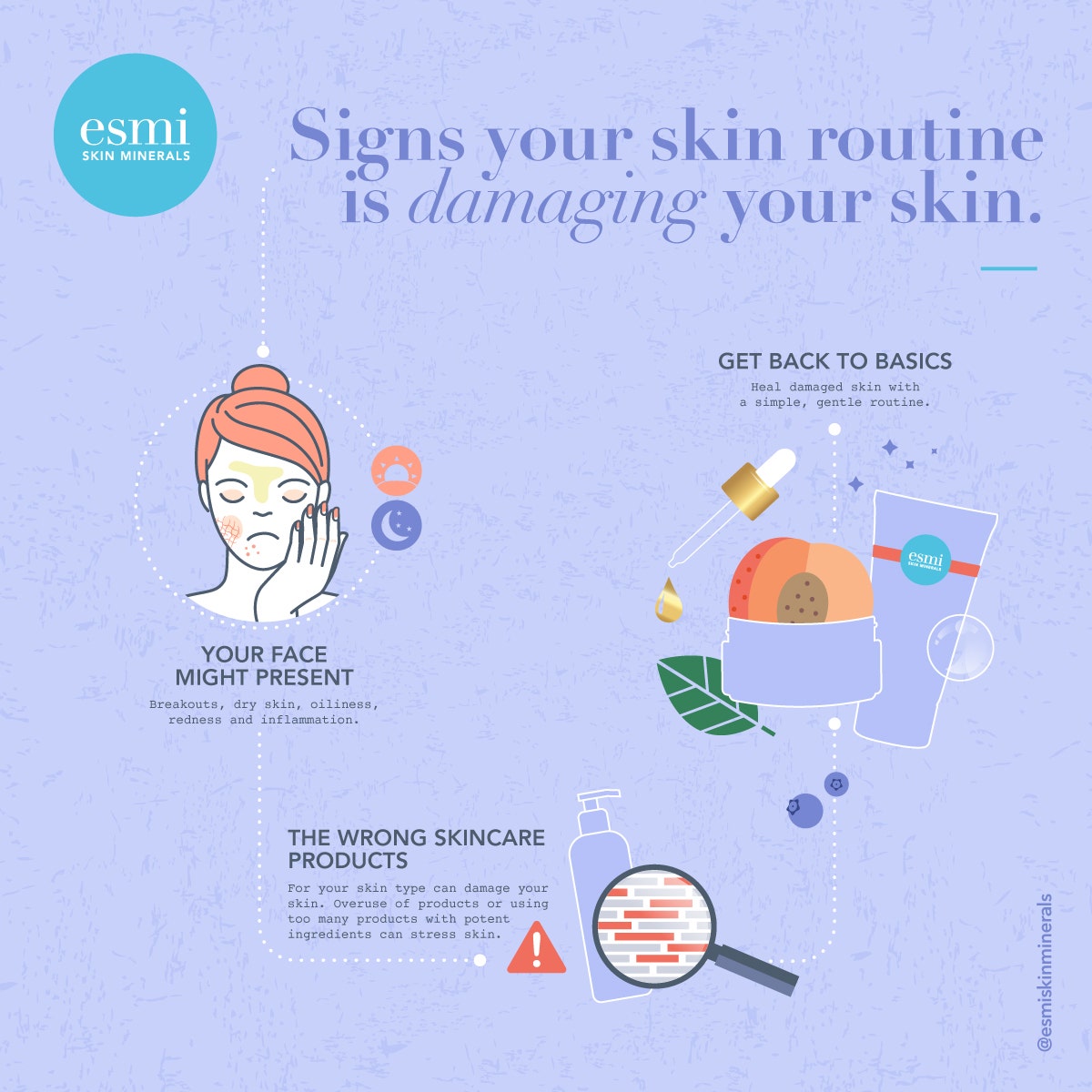
To successfully learn how to choose skincare products, it’s vital to seek professional advice when necessary.
Credit: www.esmiskin.com
Understanding how to choose skincare products also involves reading and interpreting product labels accurately.
Consulting Experts
When it comes to how to choose skincare products, consider the importance of knowing your skin’s reactions to various formulations.
Part of how to choose skincare products effectively is personalizing your routine based on seasonal changes.
Choosing the right skincare products can be challenging. One of the best ways to ensure you are making the right choices is by consulting experts. Dermatologists and skincare specialists can provide valuable insights and personalized recommendations.
Dermatologist Advice
A dermatologist is a medical doctor who specializes in skin health. They can identify skin conditions and recommend treatments. Visiting a dermatologist can help you understand your skin type and needs.
- Dermatologists can diagnose skin conditions like acne, eczema, and psoriasis.
- They can recommend medical-grade products suited for your skin type.
- Dermatologists can also perform skin tests to check for allergies.
Skincare Specialists
Skincare specialists are trained to help you choose the right products. They often work in spas, beauty stores, or skincare clinics. They can perform skin analysis and offer product recommendations.
| Role | Services |
|---|---|
| Estheticians | Facials, skin analysis, product recommendations |
| Beauty Advisors | In-store consultations, product trials, skincare tips |
- Estheticians can help with regular skin maintenance.
- Beauty advisors can introduce you to new products and trends.
- Both professionals can tailor advice to your skin’s unique needs.
Product Labels
Understanding product labels is key to choosing the right products for your skin. It helps you avoid harmful ingredients and select beneficial ones. Let’s dive into how to read these labels effectively and understand key terms.
Reading Labels Effectively
Reading labels effectively can save your skin from unwanted issues. Always check the ingredient list first. Ingredients are listed in order of concentration. The first few ingredients make up the bulk of the product.
- Look for natural ingredients like aloe vera, chamomile, and green tea.
- Avoid products with alcohol as it can dry out your skin.
- Check for allergens if you have sensitive skin.
Labels often include claims like “dermatologist-tested” or “hypoallergenic.” These terms can be helpful but are not always a guarantee. Understanding the ingredients will give you a clearer picture.
Key Terms To Understand
Understanding key terms on product labels can help you make informed decisions. Here’s a table of important terms and what they mean:
| Term | Meaning |
|---|---|
| Non-comedogenic | Won’t clog your pores |
| Hypoallergenic | Less likely to cause allergic reactions |
| Fragrance-free | No added scents, better for sensitive skin |
| Paraben-free | Free from preservatives that can cause skin issues |
| Sulfate-free | Does not contain harsh detergents that strip skin of oils |
Knowing these terms can help you make better choices. Always opt for products that suit your skin type and specific needs.
Understanding Reactions
While reading product reviews, think about how to choose skincare products that others have found beneficial for their skin types.
To summarize how to choose skincare products, always keep your skin’s needs and responses at the forefront of your selection process.
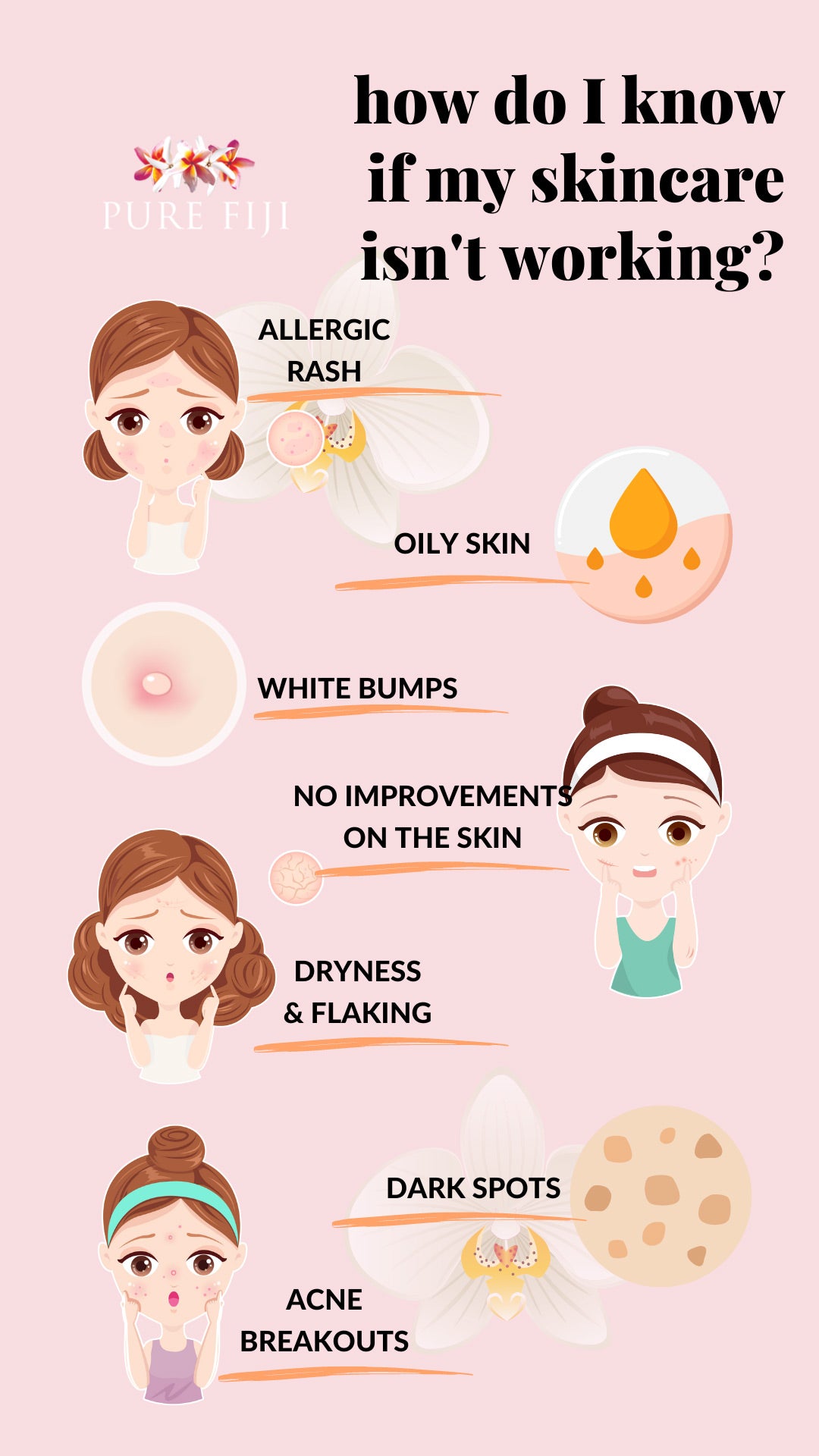
Choosing the right products for your skin can be challenging. Understanding skin reactions helps you find the best fit. Knowing the signs of irritation and differentiating reactions is key.
Signs Of Irritation
Skin irritation is common with new products. Look out for these signs:
- Redness: Your skin turns red and feels warm.
- Itching: You feel the urge to scratch.
- Burning Sensation: Your skin feels like it’s on fire.
- Swelling: Areas of your skin become puffy.
- Dryness: Your skin feels tight and flaky.
Differentiating Reactions
Understanding different reactions helps you choose wisely. Here’s how:
| Type of Reaction | Characteristics |
|---|---|
| Allergic Reaction | Hives, itching, and swelling. |
| Irritant Reaction | Immediate burning or stinging. |
| Purging | Temporary increase in breakouts. |
| Breakouts | Acne and pimples in new areas. |
Knowing these differences helps you identify suitable products. Always do a patch test first.
Routine Customization
Finding the right skincare products can be challenging. Everyone’s skin is unique, so a one-size-fits-all approach doesn’t work. Customizing your skincare routine ensures your skin gets exactly what it needs.
Personalizing Your Routine
Personalizing your routine starts with understanding your skin type. Is it oily, dry, combination, or sensitive? Each type requires different care.
- Oily Skin: Use lightweight, non-comedogenic products.
- Dry Skin: Opt for hydrating and moisturizing ingredients.
- Combination Skin: Balance hydrating and oil-control products.
- Sensitive Skin: Choose gentle, fragrance-free formulations.
Once you know your skin type, choose products that target your specific needs. For example, acne-prone skin benefits from salicylic acid or benzoyl peroxide. Aging skin might need retinol or peptides.
Adjusting To Seasonal Changes
Seasons affect your skin differently. Adjusting your routine ensures your skin stays healthy year-round.
| Season | Skin Needs | Recommended Products |
|---|---|---|
| Winter | More hydration | Rich moisturizers, oils |
| Summer | Oil control, sun protection | Lightweight moisturizers, SPF |
| Spring | Allergies, breakouts | Calming serums, light exfoliants |
| Fall | Repair, hydration | Hydrating masks, gentle cleansers |
Don’t forget to listen to your skin. It may need different care during different seasons or life stages.
Credit: us.purefiji.com
Product Reviews
Finding the right skincare products can be tricky. Reading product reviews helps. Reviews offer real-life experiences from other users. They reveal the pros and cons of each product. This makes it easier to decide which products suit your skin.
Analyzing Reviews
Reading reviews is one thing. Analyzing them is another. Pay attention to specific details in reviews:
- Skin Type: Ensure the reviewer has a skin type similar to yours.
- Frequency of Use: Note how often the product was used.
- Results: Look for details on visible results and time taken.
- Ingredients: Check for mentions of key ingredients.
Look for patterns in reviews. If many users mention the same benefit or issue, it’s likely true.
Trusted Review Sources
Not all reviews are genuine. Some sources are more reliable than others. Here are some trusted sources:
- Official Websites: Brands often feature customer reviews on their sites.
- Beauty Blogs: Experts share detailed, honest reviews on blogs.
- YouTube: Video reviews give a visual look at product results.
- Social Media: Influencers and users post real-time feedback.
- Forums: Skincare forums offer in-depth discussions and reviews.
Trust reviews from sources with a reputation for honesty. Avoid reviews that seem overly positive or vague.
Use this information to make better choices for your skincare routine. Happy shopping!
Frequently Asked Questions
How Do I Know What Products To Use For My Skin?
Identify your skin type first. Consult a dermatologist for personalized recommendations. Look for non-comedogenic products. Test samples before full use. Read reviews and ingredients.
How Do You Know What Skincare Is Good For You?
Ultimately, mastering how to choose skincare products is about understanding your skin and making informed choices.
Identify your skin type first. Choose products designed for it. Read ingredient labels. Patch test new products. Consult a dermatologist for personalized advice.
How Do You Test If A Product Is Good For Your Skin?
Test a small amount on your wrist. Wait 24 hours for any reaction. Check for redness, itching, or irritation.
How Do I Know My Skin Type Product?
To determine your skin type, observe oiliness, dryness, and sensitivity. Consult with a dermatologist for accurate assessment.
What Are The Key Factors To Consider Before Choosing Skincare Products?
To determine the right skincare products, consider your skin type, concerns, ingredients, and dermatologist recommendations.
Conclusion
Understanding your skin type is key to choosing the right products. Always check ingredients and consult dermatologists. Reading reviews and patch testing can help avoid adverse reactions. Stay informed and listen to your skin’s needs for the best results. Your skincare journey is personal, so choose wisely.