If you have eczema, choosing the right soap matters. It can mean the difference between calm skin and painful flare-ups. Despite its great smell and reputation, Yardley soap isn’t the best choice for eczema-prone skin. In fact, dermatologists often warn against it. Here’s why—and what to use instead.
Table of Contents
Quick Answer: Is Yardley Soap Good For Eczema?
No, Yardley soap is not ideal for eczema-prone skin. While it may work for some people with mild sensitivity, it typically contains ingredients like sodium lauryl sulfate and fragrances that can trigger or worsen eczema symptoms. For eczema management, dermatologists recommend soap-free, fragrance-free cleansers instead.
Yardley soap is known for its amazing scents and moisturizing feel, but if you have eczema, it might not be the best choice for your skin. In this article, we’ll explain why Yardley soap might not be suitable for eczema-prone skin and suggest gentler options to help keep your skin soft, nourished, and healthy.
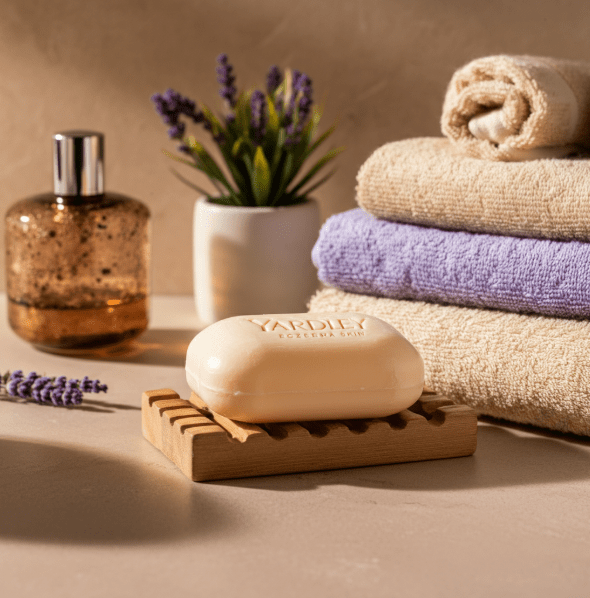
is yardley soap good for eczema
What is Eczema and How Does it Affect the Skin?
Eczema is a skin condition that causes redness, itching, and inflammation. It happens when your skin loses moisture. This makes it sensitive to irritants, soaps, and cleansers.
Good skin care is crucial for managing eczema. Use gentle cleansers that don’t dry out your skin. They should clean without stripping away natural oils.
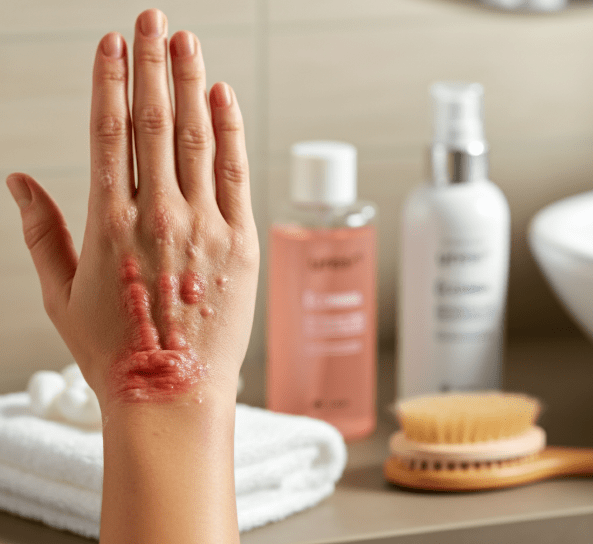
Why Yardley Soap Might Not Be the Best Choice for Eczema
Yardley soap smells great and feels luxurious. But it’s not ideal for eczema-prone skin. Here’s why:
1. Formulation Concerns: Harsh Ingredients
Most bar soaps, including Yardley, contain sodium lauryl sulfate (SLS) or sodium stearate. These clean well. But they can be too harsh for eczema-prone skin. Here’s why:
- Strips Away Natural Oils: Bar soaps often strip the skin of its natural oils, which are essential for keeping it hydrated and healthy. For people with eczema, this can lead to even drier, more irritated skin.
- Increases Sensitivity: Eczema-prone skin is already more sensitive, and ingredients like SLS can make things worse by causing redness, irritation, or even flare-ups.
- Messes with pH Balance: Many bar soaps have a higher, more alkaline pH than our skin’s natural acidity. This can weaken the skin’s protective barrier, making it harder to fight off irritants.
If you have sensitive skin, it’s worth considering gentler options to keep your skin calm, healthy, and hydrated.
2. Fragrances and Essential Oils: Potential Irritants
Yardley soaps are known for their lovely fragrances and essential oils, making them feel luxurious to use. But if you have eczema, they might not be the best choice. Here’s why:
- Fragrances: Whether natural or synthetic, fragrances are a common trigger for eczema. They can make sensitive skin itchier, redder, and more inflamed.
- Essential Oils: Some Yardley soaps, like those with oatmeal or almond, include essential oils. While these can be soothing for some, they can also irritate eczema-prone skin. Oils like lavender, tea tree, and citrus are especially known for causing reactions in sensitive individuals.
If you have eczema, it’s always a good idea to stick to fragrance-free and gentle products to keep your skin happy.
3. Moisturizing Effect: Not Sufficient for Eczema Management
Yardley soaps contain glycerin, a moisturizing ingredient. But for eczema-prone skin, this is not enough. Even soaps with glycerin can leave skin feeling dry and tight.
With eczema, you need cleansers that both clean and moisturize. Yardley’s traditional soap bars don’t provide this level of care.
Clinical Evidence on Soap and Eczema
Soap-based cleansers can make eczema worse. A review in The Lancet showed that managing eczema requires emollients, not harsh soaps.
Use soap-free or gentle cleansers instead. They’re much better for sensitive skin.
What Are Better Alternatives for Eczema-Prone Skin?
If you have eczema, choosing the right cleanser can make a big difference for your skin. Here are some better options to consider:
1. Gentle, Non-Soap Cleansers
Non-soap cleansers are much kinder to your skin than regular soaps. They help maintain natural oils and don’t throw off your skin’s balance. Some great options include:
- Cetaphil Gentle Skin Cleanser
- Aveeno Skin Relief Body Wash (Fragrance-Free)
- CeraVe Hydrating Cleanser
These are awesome for dry, sensitive skin and can help manage eczema better.
2. Syndet Bars
Syndet bars (aka synthetic detergent bars) are soap-free and super mild. They clean without drying out your skin. Try:
- Dove Sensitive Skin Beauty Bar
- Neutrogena Ultra Gentle Hydrating Cleanser Bar
They’re gentle, have a balanced pH, and won’t irritate eczema-prone skin.
3. Fragrance-Free Cleansers
Fragrances can trigger eczema flare-ups, so stick to products without them. Some fragrance-free favorites include:
- Eucerin Advanced Cleansing Body & Face Cleanser
- Aquaphor Gentle Wash and Shampoo
These focus on hydration and protecting your skin without unnecessary irritants.
4. Moisturizing Cleansers
Eczema needs more than gentle care—it craves hydration. Look for cleansers that also moisturize, with ingredients like ceramides or glycerin. Check out:
- CeraVe Hydrating Cleanser
- Eucerin Eczema Relief Body Wash
These options help clean your skin while locking in moisture to keep it healthy and happy.
Switching to the right cleanser can make all the difference for managing eczema!
Beneficial Ingredients for Eczema-Prone Skin
Look for products with these beneficial ingredients:
- Coconut Oil: More effective than mineral oil for mild to moderate eczema. Has antimicrobial and anti-inflammatory properties.
- Oatmeal: Oatmeal is known for its soothing and anti-inflammatory properties. Some products designed for eczema, like Aveeno Eczema Therapy, include colloidal oatmeal to help calm irritated skin.
- Ceramides: Ceramides are lipid molecules that help repair the skin’s barrier and retain moisture. They are essential for eczema treatment and are found in many emollients and moisturizers.
When to Contact a Doctor About Your Eczema
You should seek medical attention if your eczema:
- Spreads to large areas of your body
- Shows signs of infection (pus, oozing, warmth)
- Doesn’t improve with over-the-counter products after 2-3 weeks
- Causes severe itching that interferes with sleep
- Develops in response to a new soap (like Yardley)
A dermatologist can provide prescription-strength treatments and help identify your specific triggers.
Conclusion: Why Yardley Soap Isn’t Ideal for Eczema
Yardley soap may remind you of old times, but it’s not good for eczema. Its smells and chemicals can irritate sensitive skin. Try gentle, fragrance-free cleansers like CeraVe, Cetaphil, or Aveeno. They help keep your skin healthy. If you’re not sure, ask a doctor. Your skin will feel better!
How to Test If Yardley Soap Works For Your Skin
Even though Yardley soap isn’t generally recommended for eczema, everyone’s skin is different. If you want to test whether it works for your skin, perform a patch test first:
- Apply a small amount of the soap to your inner wrist
- Leave it for 48 hours without washing the area
- Cover it with a bandage or wrap
- Watch for signs of allergic reaction (redness, itching, rash)
- If no reaction occurs after 48 hours, the product is likely safe to try
- If a reaction occurs, wash immediately and apply hydrocortisone cream.
FAQ: Yardley Soap and Eczema
Q: Will Yardley soap cure my eczema?
A: No, no soap can cure eczema. Eczema is a chronic condition that requires ongoing management. The goal is to find cleansing products that don’t trigger or worsen symptoms.
Q: Can I use Yardley oatmeal soap for eczema?
A: While the oatmeal variety may be slightly less irritating than other Yardley products, it still contains fragrances and other potentially irritating ingredients. Eczema-specific soaps or cleansers are better choices.
Q: What ingredients should I avoid with eczema?
A: Avoid products containing: sodium lauryl sulfate (SLS), fragrances, alcohol, dyes, deodorants, and essential oils. Look for products labeled “hypoallergenic” and “fragrance-free.”
Q: Is Dove better than Yardley for eczema?
A: Dove has specific eczema-friendly product lines that are fragrance-free and gentler than Yardley, though even Dove’s standard soaps may not be ideal. Look for products with the National Eczema Association seal of approval.
Q: Can Yardley soap cause eczema?
A: Yardley soap itself doesn’t cause eczema, but its ingredients can trigger flare-ups or worsen symptoms in people who already have eczema or sensitive skin.