Table of Contents
Quick Summary / At A Glance
- In your 30s, collagen and elastin production begins to decline, cell turnover slows, oil production falls, and skin can become more reactive.
- A simple routine covers gentle cleansing, careful exfoliation, a serum chosen for one concern, moisturiser, and broad-spectrum SPF 30 or higher every day.
- Vitamin C is usually used in the morning and retinol at night, introduced gradually. Do not apply them at the same time in the same routine.
- Double cleansing is optional. It can help remove heavy make-up, sunscreen, and pollution, without needing a long list of extra steps.
- Consistency, not smoking, and limiting alcohol support skin health. A dermatologist can give personal advice about stronger treatments.
What Changes in Your Skin in Your 30s
Your 30s are a useful time to focus on prevention, before fine lines deepen and sun damage builds up. A steady routine cannot reverse ageing or erase wrinkles, but it can help protect the skin and support a healthy appearance.
The short answer in the original guide is to start using retinol and vitamin C serums in your 30s, exfoliate weekly with chemical exfoliants, and keep skin hydrated with hyaluronic acid and ceramides. It also stresses daily broad-spectrum SPF 30 or higher, and consistency over trying to reverse damage later.
As you enter your 30s, your skin’s natural exfoliation process slows down, leading to dullness and uneven skin tone. Its ability to repair itself also diminishes as collagen and elastin production begins to decline.
- Collagen and elastin: Production decreases, causing skin to lose firmness and elasticity.
- Cell turnover: Slower cell turnover means dead skin cells linger, contributing to fine lines and uneven skin tone.
- Oil production: Natural oil production decreases, leading to dryness and potential irritation.
- Reactivity: Skin can become more reactive, requiring gentler products.
Your Routine at a Glance
| Step | What the guide suggests | Keep in mind |
|---|---|---|
| Cleansing | A gentle foam or cream cleanser, with double cleansing only if needed | Do not strip the skin’s natural oils |
| Exfoliation | AHAs, BHAs, or enzyme-based exfoliants, starting once or twice a week | Over-exfoliating can damage the skin barrier and increase irritation |
| Toning | A hydrating toner for dry skin, or a soothing toner for sensitive skin | This step prepares skin for the products that follow |
| Serums | Vitamin C in the morning, retinol at night, and peptides for firmness | Introduce retinol gradually, and read the pregnancy caution below |
| Moisturising | A day cream, and a richer night cream | Hyaluronic acid and ceramides help support hydration and the barrier |
| Sun protection | Broad-spectrum SPF 30 or higher, daily | Retinol increases sun sensitivity, so daytime sunscreen matters |
Cleansing and Double Cleansing
Start with a gentle, soothing cleanser that does not strip your skin’s natural oils. Foam or cream cleansers can protect the moisture barrier while cleansing effectively.
Double cleansing uses an oil-based cleanser first to dissolve make-up, sunscreen, oil, and pollutants, followed by a water-based cleanser for remaining dirt. It can help with thorough make-up removal, clearer-looking pores, and smoother-feeling skin, and it leaves a clean base for other products.
Removing residue can also help reduce build-up in the pores and leave skin looking brighter. With no dirt or make-up left behind, make-up may sit more evenly, and regular gentle cleansing can leave texture feeling smoother and more refined.
Double cleansing itself cannot reverse the ageing process, and it is not essential for everyone. If you wear heavy make-up or are exposed to pollution it may be useful, but take care not to strip the skin of its natural moisture.
Exfoliation and Toning
Exfoliation helps promote cell turnover and reveal fresher skin. Gentle options named in the original guide include AHAs such as glycolic acid, BHAs such as salicylic acid, and enzyme-based exfoliants.
Start by exfoliating once or twice a week to avoid over-exfoliation. If you also use retinol or vitamin C, reduce exfoliation frequency to avoid excessive irritation.
Toning helps balance the skin’s pH and prepare it for subsequent products. If your skin is dry, choose a toner with hydrating ingredients such as hyaluronic acid, and for sensitive or irritated skin choose calming ingredients such as chamomile or aloe vera.
Serums: Vitamin C, Retinol, and Peptides
Serums are concentrated products used for specific concerns. Vitamin C is an antioxidant serum that can brighten skin, reduce the appearance of dark spots, and protect against environmental damage.
The original guide describes vitamin C serums with 10-20% L-ascorbic acid, applied in the morning before sunscreen. Store vitamin C properly, as it is sensitive to light and oxidation, and the guide notes it works alongside vitamin E and sunscreen.
Retinol should be introduced gradually to minimise irritation. It is described in the original guide as accelerating cell turnover and boosting collagen production, reducing fine lines, and improving skin texture.
Begin, as the original guide advises, with a low concentration (0.25%-0.5%) two or three times a week at night, and increase frequency gradually as your skin adjusts. Always use broad-spectrum SPF 30 or higher during the day, as retinol increases sun sensitivity.
Pregnancy caution: Do not start retinol or other retinoids if you are pregnant, or planning a pregnancy, without advice from a healthcare professional. Ask a doctor or dermatologist what is suitable for you.
Peptide serums are another option in the original guide, used to help with skin firmness and reduce the appearance of wrinkles. Niacinamide is also named in the original guide, both in its short answer and as an added ingredient to look for in a moisturiser.
Eye Care, Moisturising, and Sun Protection
The eye area is delicate and often shows signs of ageing first. The original guide suggests eye creams with peptides, caffeine, or hyaluronic acid, chosen for concerns such as puffiness, dark circles, and fine lines.
Moisturisers help lock in hydration and support the skin barrier. Use a day cream with SPF 30 or higher, and a richer night cream with ingredients such as retinol, peptides, or ceramides.
Sunscreen is a core step, not an optional extra. Use broad-spectrum SPF daily, even indoors, as the original guide advises, to help prevent sun-induced ageing and skin cancer.
Lifestyle Habits and Professional Treatments
Consistency matters, because regular use is key to seeing any results from a routine. Avoid smoking and excessive alcohol, which can accelerate ageing, drink plenty of water, and use hydrating skincare products.
A diet rich in antioxidants, vitamins, and omega-3s is described in the original guide as supporting skin health. Skincare is therefore presented as part of a wider approach to health, not as products alone.
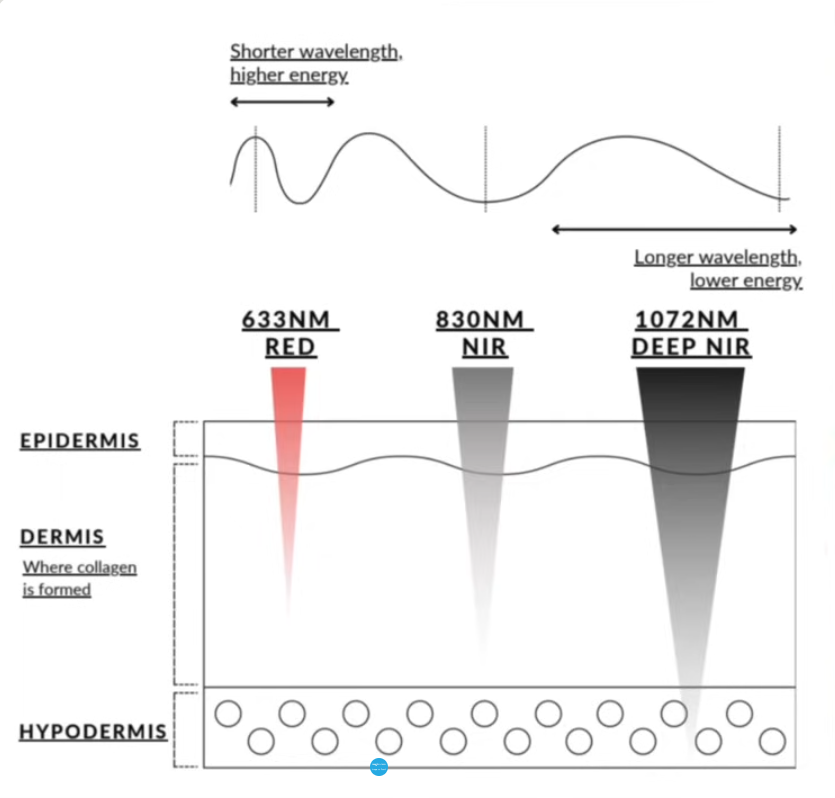
Treatments such as LED therapy or chemical peels are sometimes discussed with a dermatologist. Ask for personal advice about benefits and risks before booking any treatment, rather than treating them as a routine step.
Common Questions
When should I start using retinol in my 30s?
The original guide says retinol can be started in your 30s, beginning with a low concentration at night two or three times a week. Increase frequency gradually as your skin adjusts, use sunscreen during the day, and read the pregnancy caution above.
Is vitamin C serum necessary in my 30s?
The original guide describes vitamin C as highly beneficial, rather than essential for everyone. It is an antioxidant that can brighten dull skin, help with dark spots, and support collagen production.
How often should I exfoliate in my 30s?
Start once or twice a week, as the routine section of the original guide advises, using chemical exfoliants such as AHAs or BHAs. Over-exfoliating can damage the skin barrier and increase irritation, so increase frequency only if your skin tolerates it well.
Which moisturiser ingredients does the guide name?
Hyaluronic acid and ceramides are the main ingredients named for moisturising in your 30s, along with peptides and niacinamide. Hyaluronic acid is used for hydration, ceramides help strengthen the skin barrier and prevent moisture loss, and a richer night cream is suggested for overnight care.
Can I use retinol and vitamin C together?
Do not use retinol and vitamin C at the same time in the same routine, as the original guide warns this can cause irritation. Use vitamin C in the morning and retinol at night, or on different days if your skin is sensitive.
Conclusion
Your 30s are a pivotal time for skin care, and a gentle, consistent routine can help you care for your skin as it changes. Keep the routine simple, protect your skin from the sun, and avoid adding many new products at once.
Consult a dermatologist for personalised advice. This article is general information only and is not medical advice. Please consult a healthcare professional for personal advice.