
Clear, glowing skin is not a secret formula or a one-week miracle. It comes from a few gentle habits repeated every day: cleansing properly, exfoliating carefully, moisturizing, protecting your skin from the sun and looking after your health from the inside. These beauty tips for clear and glowing skin combine dermatologist advice with simple home care, so you can build a routine that suits your skin type and actually lasts.
Quick Summary / At A Glance
- Cleanse twice a day with a mild cleanser, and always remove makeup before bed.
- Exfoliate gently once or twice a week; over-exfoliating causes redness, dryness and breakouts.
- Moisturize daily and wear broad-spectrum SPF 30 sunscreen every morning.
- Ingredients such as vitamin C, niacinamide, AHAs, salicylic acid and retinoids have real evidence behind them.
- Sleep, water, a colorful diet, exercise and less stress all show in your skin.
- No routine gives “flawless” skin in a week. Expect visible change in four to twelve weeks.
What Makes Skin Clear and Glowing?
Skin looks clear when pores are not clogged and inflammation is under control, and it looks “glowing” when its surface is smooth and well hydrated, so it reflects light evenly. Dull skin usually has a build-up of dead skin cells, dehydration, sun damage or uneven pigmentation. Breakouts happen when oil (sebum) and dead cells block pores and bacteria trigger inflammation.
Your skin is also an organ that protects your body, helps control your temperature and makes vitamin D, so caring for it is about health first and appearance second. Most of the tips below simply remove what makes skin dull or congested, and support the skin barrier so it can do its job.
15 Beauty Tips for Clear and Glowing Skin
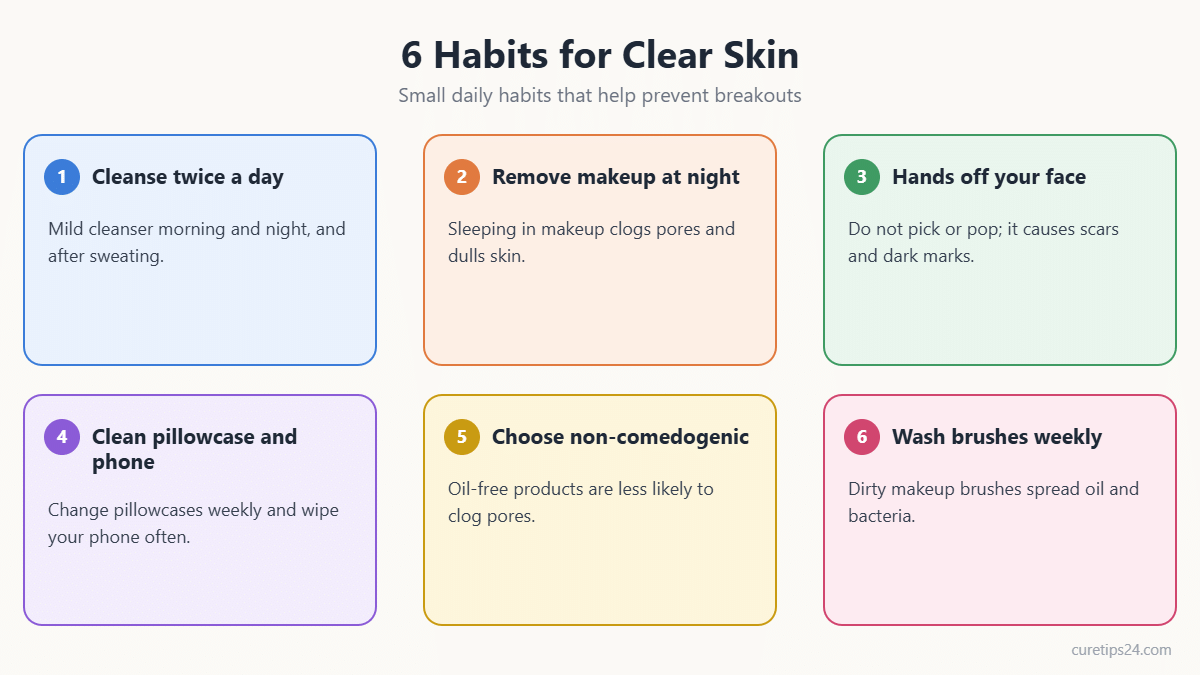
Table of Contents
1. Cleanse Gently, Twice a Day
Wash your face in the morning, before bed and after sweating to remove oil, sweat, pollution and makeup. Use lukewarm water and a cleanser made for your skin type: a gel or foaming cleanser for oily skin, a cream cleanser for dry skin and a fragrance-free one for sensitive skin. A cleanser that leaves your skin tight, sore or red is too harsh.
2. Always Remove Makeup Before Bed
Sleeping in makeup and sunscreen clogs pores and leaves skin looking dull. Use micellar water, a cleansing balm or oil first, then follow with your usual cleanser if you wear heavy makeup.
3. Exfoliate, but Don’t Overdo It
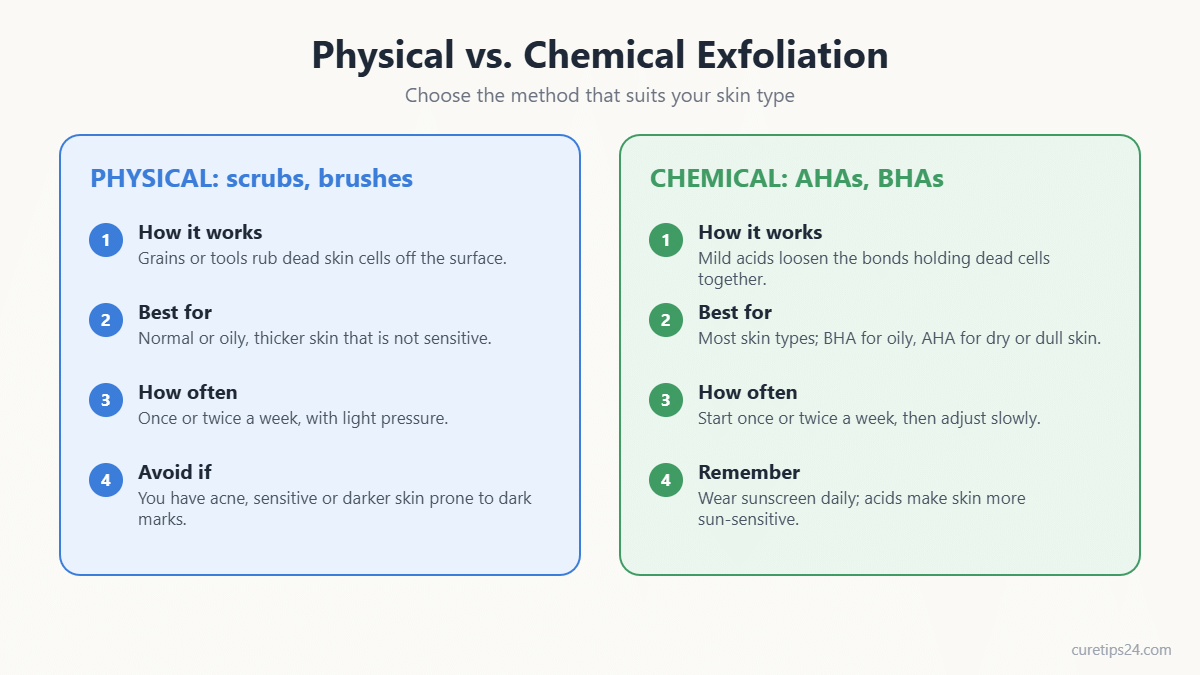
Exfoliation removes the dead skin cells that make skin look dull and can clog pores. Choose a method that suits your skin type, apply it gently in small circles for about 30 seconds and rinse with lukewarm water, as the American Academy of Dermatology’s guide to exfoliating safely at home recommends. Once or twice a week is enough for most people. Over-exfoliating strips natural oils and leads to redness, stinging, dryness and even more breakouts.
4. Moisturize Every Day
A moisturizer keeps water in your skin and supports the skin barrier, which makes skin look plumper and smoother. Apply it to slightly damp skin after cleansing. Oily skin suits a light, oil-free, non-comedogenic lotion or gel; dry skin needs a richer cream with ceramides, glycerin or hyaluronic acid. If your skin keeps stinging or flaking, read our guide to repairing a damaged skin barrier.
5. Wear Sunscreen Every Morning
UV rays cause sunburn, dark spots, uneven tone and early wrinkles, all of which steal your glow. Use a broad-spectrum sunscreen with SPF 30 or higher every day, including cloudy days and winter. The AAD’s advice on how to apply sunscreen is to use about a teaspoon for the face, apply it 15 minutes before going outside and reapply every two hours or after sweating or swimming. Add a hat, sunglasses and shade.
6. Use Proven “Glow” Ingredients

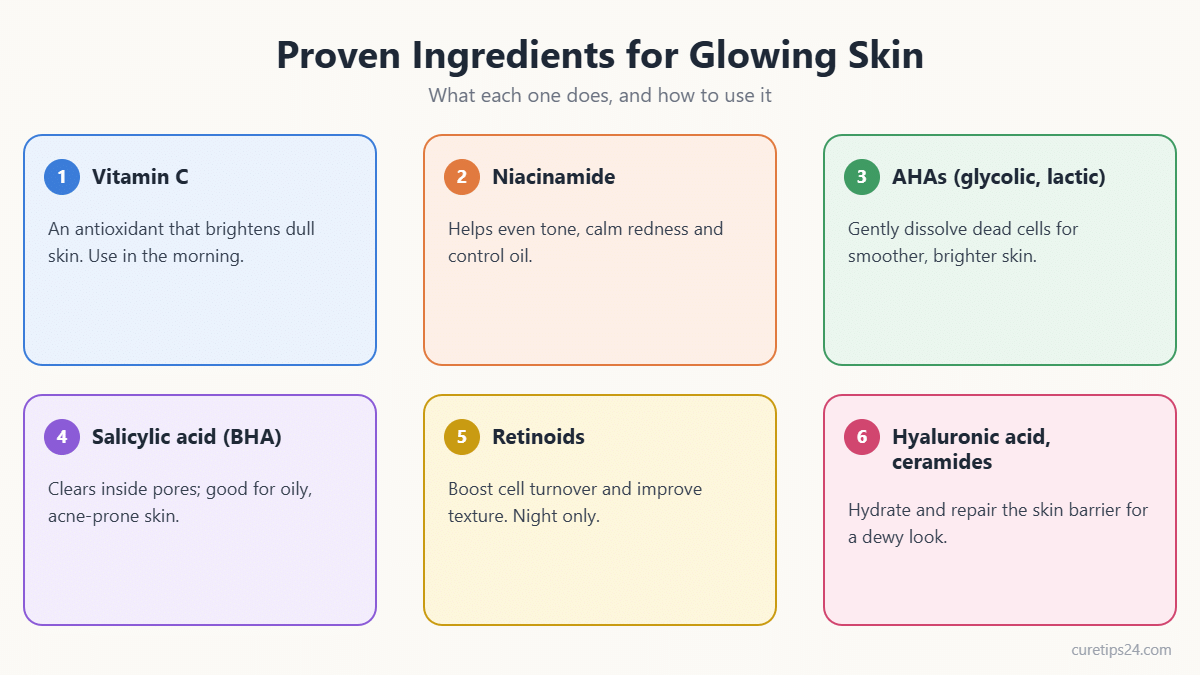
A few well-studied ingredients make a real difference. Vitamin C serum is an antioxidant that brightens dull skin and supports sun protection in the morning. Niacinamide helps even out skin tone, calm redness and control oil. AHAs such as glycolic and lactic acid smooth rough skin, salicylic acid (a BHA) clears inside pores, and retinoids used at night speed up cell turnover and improve texture over time. Hyaluronic acid and ceramides add hydration. Introduce one product at a time and patch-test it first.
7. Treat Dark Spots Gently
Dark spots and uneven tone from acne, sun or hormones fade slowly. Daily sunscreen is the most important step, because UV makes pigmentation darker. Ingredients such as vitamin C, niacinamide, azelaic acid and kojic acid for dark spots can help over several months. Avoid skin-whitening creams of unknown origin, which may contain mercury or strong steroids, and see a dermatologist about melasma or spots that change.
8. Never Pick or Pop Pimples
Squeezing spots pushes bacteria deeper, causes more swelling and can leave scars and dark marks that last far longer than the pimple. Use a spot treatment with benzoyl peroxide or salicylic acid instead, as the AAD’s acne tips suggest. Our article on common myths about acne explains what really causes breakouts.
9. Keep Pillowcases, Phones and Brushes Clean
Oil, sweat and bacteria build up on anything that touches your face. Change your pillowcase at least once a week, wipe your phone screen often and wash makeup brushes and sponges every week or two.
10. Choose Non-Comedogenic Products
Heavy, oily creams and makeup can block pores. Look for moisturizers, sunscreens and makeup labelled oil-free or non-comedogenic, especially if you are prone to breakouts.
11. Drink Water and Eat for Your Skin
Staying hydrated supports your overall health, and water-rich foods like cucumber, watermelon and oranges help too. Colorful fruit and vegetables provide vitamins C and A, nuts and seeds give vitamin E, and oily fish adds omega-3 fats. Limiting sugary drinks, sweets and refined carbohydrates may help some people with acne. For more, see our health tips for vibrant skin.
12. Sleep Well
Skin repairs itself overnight. Most adults need 7 to 9 hours of sleep; too little often shows as dullness, puffiness and dark circles.
13. Exercise and Manage Stress
Exercise boosts blood flow, which gives skin a healthy flush, and helps you manage stress. Stress can trigger acne, eczema and rosacea flare-ups, so make time for activity, rest and things you enjoy. Wash your face after a sweaty workout.
14. Avoid Smoking and Limit Alcohol
Smoking reduces blood flow to the skin and damages collagen, making skin look grey and lined, while too much alcohol dehydrates skin and can cause redness and puffiness.
15. Be Consistent and Patient
Skin renews itself slowly, so most changes take four to twelve weeks to show. Stick with a simple routine, change one thing at a time and keep notes on what helps and what irritates. Be wary of any tip that promises flawless skin in a few days.
Simple Morning and Night Routine
| Step | Morning | Night |
|---|---|---|
| 1 | Gentle cleanser | Remove makeup and sunscreen, then cleanse |
| 2 | Vitamin C or niacinamide serum (optional) | Treatment: retinoid, AHA/BHA or acne product (optional, not all on the same night) |
| 3 | Moisturizer | Moisturizer |
| 4 | Broad-spectrum SPF 30+ sunscreen | Lip balm and an early night |
DIY Face Masks: Pleasant Extras, Not Cures
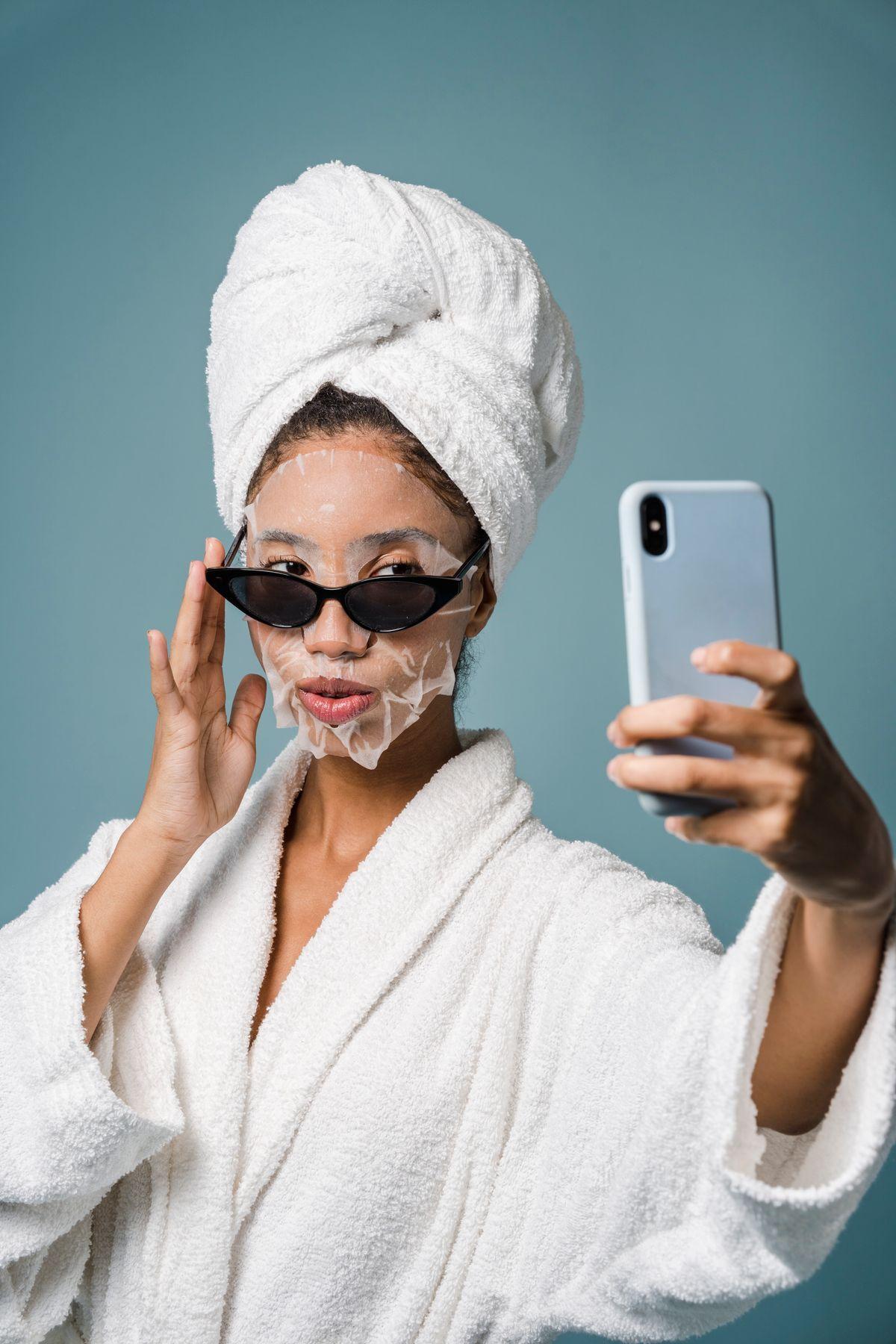
Homemade masks can be a relaxing treat, but there is little evidence that they clear acne or change skin tone. If you enjoy them, keep them simple and gentle:
- Honey and yogurt: honey is soothing and helps hold moisture, and plain yogurt feels cooling. Leave on for 10 minutes and rinse.
- Oatmeal and banana or papaya: finely ground oats calm dry or itchy skin; rub very gently and rinse.
- Besan (gram flour) with a little turmeric and rose water: a traditional mask that feels refreshing. Use only a pinch of turmeric, as it can stain.
- Green tea and yogurt: a calming option for oily skin.
Avoid putting lemon juice, baking soda, toothpaste or undiluted essential oils on your face, as they can irritate, burn or darken the skin, especially in the sun. Patch-test any mask on your inner arm first and stop if it stings or itches.
Can You Get Glowing Skin in a Week?
In a week you can make skin look fresher: gentle exfoliation, good moisturizing, enough sleep and water, and removing makeup every night will reduce dullness and dryness quickly. Clearing acne, fading dark spots and improving texture take longer, usually one to three months of steady care. Any product that promises flawless, permanently fairer skin in seven days is not being honest.
When to See a Dermatologist
See a doctor or dermatologist if you have painful, cystic or scarring acne, dark patches that keep spreading, a rash or redness that will not settle, or any spot or mole that changes, itches or bleeds. Stop using a product and seek advice if it causes burning, swelling or blistering. A dermatologist can recommend prescription treatments that work much faster than home care.
Frequently Asked Questions
How can I get clear and glowing skin naturally?
Cleanse gently twice a day, remove makeup at night, exfoliate once or twice a week, moisturize, wear sunscreen daily, and support your skin with sleep, water, a colorful diet and less stress.
Which ingredient is best for glowing skin?
Vitamin C is a popular morning choice for brightness, while retinoids at night improve texture over time. Niacinamide suits most skin types and helps even tone. Daily sunscreen protects any results you get.
How often should I exfoliate for glowing skin?
Most people do well with once or twice a week. Sensitive or acne-prone skin may need less, and you should stop if your skin becomes red, stinging or flaky.
Does drinking water clear your skin?
Water supports overall health but will not clear acne or dark spots by itself. It works best alongside a good skin care routine and healthy diet.
This article is general information only and is not medical advice. Please consult a doctor or dermatologist for advice about your own skin.

2 thoughts on “Beauty Tips for Clear and Glowing Skin: 15 Habits That Work”