Vitamin C is one of the most talked-about skincare ingredients. It is an antioxidant, and many people use it for brighter, more even-looking skin.
But choosing one is not easy. Some serums use pure vitamin C. Others use gentler forms. Strengths differ, and so do the extra ingredients.
This guide compares five well-known serums to help you find the best vitamin C serum for your skin. For each one, you will see what it is, who it is for, its key ingredients and one honest downside.
Quick Summary
- Everyday budget-friendly pick: TruSkin Vitamin C Serum
- For sensitive skin: Mad Hippie Vitamin C Serum
- Drugstore pick with ceramides: CeraVe Vitamin C Serum
- For anti-ageing and radiance: La Roche-Posay Pure Vitamin C Serum
- Highest strength on this list: Paula’s Choice C15 Super Booster
- Good to know: This is a research-based guide built on the brands’ own product details. It has no ratings or results of our own.
Disclosure: This post contains affiliate links. If you buy through them, we may earn a commission. You pay nothing extra.
This article is not medical advice. For skin problems, talk to a dermatologist.
Table of Contents
Vitamin C Serums in Brief
Before the list, two terms will help you.
Pure vitamin C is also called L-ascorbic acid. It is the most direct form. It can also irritate sensitive skin, mainly at higher strengths.
Vitamin C derivatives are gentler forms. One example is sodium ascorbyl phosphate, known as SAP. These are often chosen for sensitive skin.
All vitamin C serums share one weak point. They can oxidise. This means they break down when exposed to light and air. So storage matters.
New to serums? Read what is a face serum and how to use it.
The 5 Vitamin C Serums
1. TruSkin Vitamin C Serum
What it is: A popular, budget-friendly vitamin C serum for everyday use.
Key ingredients: Vitamin C with hyaluronic acid and vitamin E.
Who it is for: Beginners and people who want a simple daily serum without spending a lot.
One honest downside: Like all vitamin C serums, it can oxidise. Keep it closed and away from light and heat. If the colour turns dark, it is time to replace it.
2. Mad Hippie Vitamin C Serum
What it is: A serum that uses a gentle form of vitamin C called SAP (sodium ascorbyl phosphate).
Key ingredients: SAP, ferulic acid, vitamin E and konjac root.
Who it is for: People with sensitive skin who find pure vitamin C too strong.
One honest downside: It does not use pure L-ascorbic acid. If you are looking for a high-strength pure vitamin C formula, this is not it.
3. CeraVe Vitamin C Serum
What it is: A serum from a drugstore brand that dermatologists often recommend. You can see the range on the official CeraVe site.
Key ingredients: 10% pure vitamin C (L-ascorbic acid), hyaluronic acid and ceramides.
Who it is for: People who want pure vitamin C with ingredients that support hydration and the skin barrier.
One honest downside: Pure vitamin C can irritate sensitive skin. Start slowly and do a patch test.
4. La Roche-Posay Pure Vitamin C Serum
What it is: A serum aimed at anti-ageing and radiance. Brand details are on the official La Roche-Posay site.
Key ingredients: 10% pure vitamin C, salicylic acid and neurosensine.
Who it is for: People whose main goals are a more radiant look and care for the signs of ageing.
One honest downside: It contains salicylic acid, which is an exfoliating acid. Together with pure vitamin C, this may be too much for very dry or very sensitive skin.
5. Paula’s Choice C15 Super Booster
What it is: A concentrated booster. You can use it alone or mix a few drops into your moisturiser.
Key ingredients: 15% pure vitamin C, vitamin E and ferulic acid.
Who it is for: People who have used vitamin C before and want a higher strength. Mixing it into a moisturiser makes it flexible.
One honest downside: At 15%, it is the strongest on this list. That raises the chance of tingling or irritation. It is not the best first vitamin C product for sensitive skin.
Comparison Table
| Product | Best for | Key ingredient |
|---|---|---|
| TruSkin Vitamin C Serum | Budget-friendly everyday use | Vitamin C with hyaluronic acid and vitamin E |
| Mad Hippie Vitamin C Serum | Sensitive skin | SAP (gentle vitamin C form) with ferulic acid |
| CeraVe Vitamin C Serum | Pure vitamin C with barrier support | 10% L-ascorbic acid with ceramides |
| La Roche-Posay Pure Vitamin C Serum | Anti-ageing and radiance | 10% pure vitamin C with salicylic acid |
| Paula’s Choice C15 Super Booster | Experienced users who want higher strength | 15% pure vitamin C with vitamin E and ferulic acid |
How to Use a Vitamin C Serum Safely
A good serum can still cause problems if you use it the wrong way. Follow these simple steps.
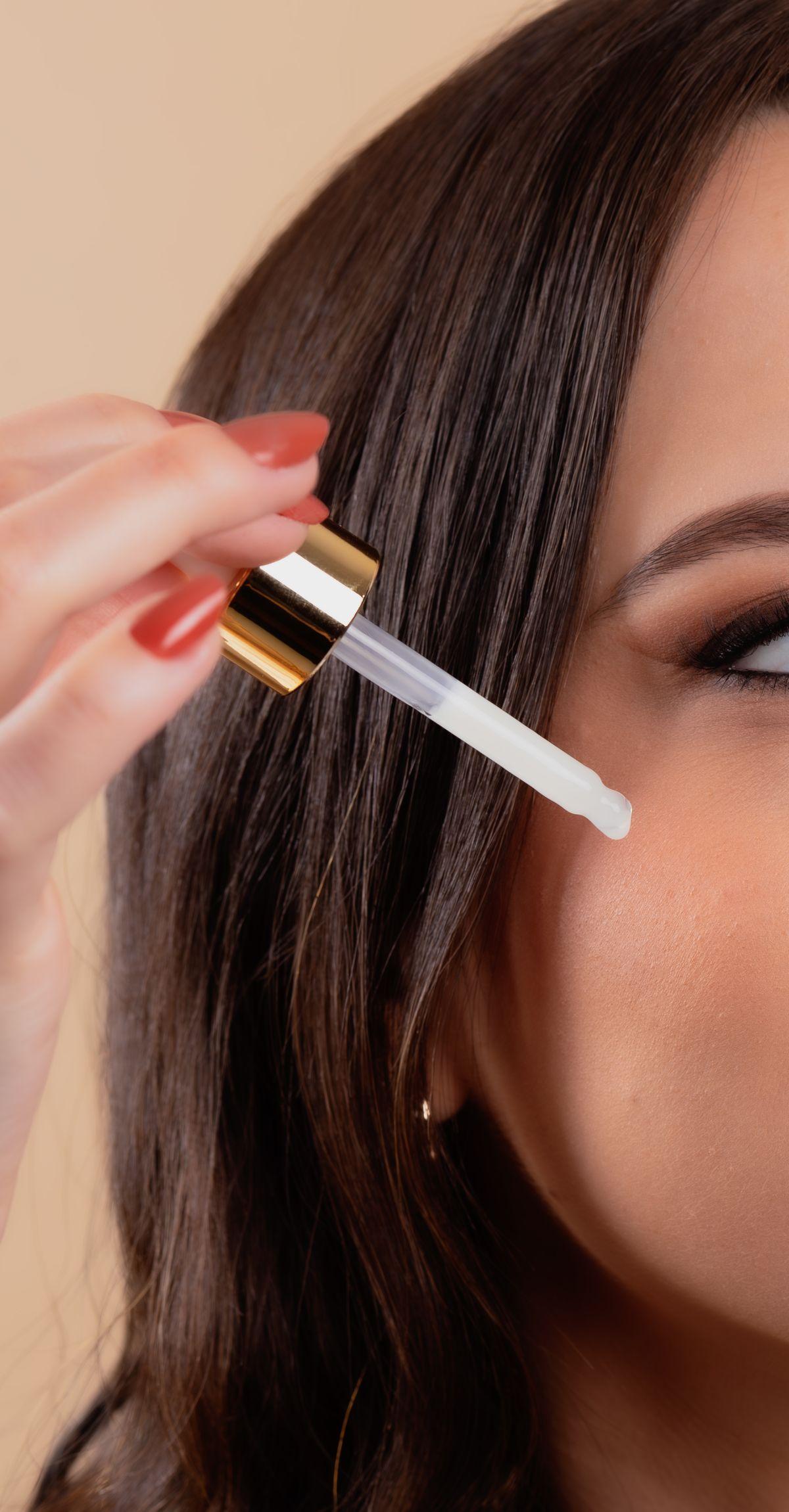
- Patch test first. Put a small amount on your inner arm or behind your ear. Wait a day. If there is no redness or itching, try it on your face.
- Use it in the morning. Apply it to clean, dry skin after cleansing.
- Follow with moisturiser. This helps keep your skin comfortable.
- Always finish with sunscreen. The American Academy of Dermatology recommends a broad-spectrum sunscreen every day.
- Do not mix with strong actives at the same time. Avoid using vitamin C in the same step as products like retinol or strong exfoliating acids. Use them at different times of day.
- Start slowly. Use it every other day at first. Move to daily use if your skin is happy.
- Store it well. Keep the bottle closed, cool and away from light.
Stop using the serum if your skin burns, swells or gets a rash. See a dermatologist if it does not settle.
For the next step in your routine, see how to choose a sunscreen for your face.
How to Choose the Best Vitamin C Serum
There is no single best serum for everyone. Use these points to decide.
Think About Your Skin Type
- Sensitive skin: Look for a gentle form such as SAP. Mad Hippie is the example on this list.
- Dry skin: Look for added hydration, such as hyaluronic acid or ceramides.
- Oily or blemish-prone skin: A formula with salicylic acid may suit you, if your skin can handle it.
Check the Form and Strength
Pure vitamin C is listed as L-ascorbic acid. Strengths on this list are 10% and 15%. A higher number is not always better. If you are a beginner, a lower strength or a gentle form is a safer start.
Look at the Extra Ingredients
Vitamin E and ferulic acid are often paired with vitamin C. Hyaluronic acid and ceramides add hydration and barrier support.
Frequently Asked Questions
What does a vitamin C serum do?
Vitamin C is an antioxidant. People commonly use it for brighter, more even-looking skin. Results differ from person to person, and no serum can promise a result.
Can I use a vitamin C serum every day?
Many people do. If you are new to it, start every other day. Move to daily use if your skin feels fine.
Should I use vitamin C in the morning or at night?
Morning use is the common advice, followed by sunscreen. Always check the directions on your product’s label.
Is vitamin C serum safe for sensitive skin?
It can be, but choose with care. Pure vitamin C can irritate sensitive skin. A gentle form such as SAP may be a better start. Always patch test first.
How do I know if my serum has gone bad?
Vitamin C serums oxidise over time. A clear change to a dark yellow or brown colour, or a change in smell, is a sign to replace it.
Final Thoughts
The best vitamin C serum is the one that suits your skin and your budget. For a simple start, TruSkin and CeraVe are easy choices. For sensitive skin, Mad Hippie uses a gentler form. La Roche-Posay adds salicylic acid, and Paula’s Choice offers the highest strength here.
Whichever you pick, patch test first, use it in the morning and wear sunscreen every day. For a full routine, see morning skincare routine step by step.