Table of Contents
Quick Summary / At A Glance
- Is slugging good for your skin? It can be, if your skin is dry or dehydrated, especially in cold, dry winter air.
- Slugging means putting a thin layer of petroleum jelly on your face as the last step at night. It slows water loss from the skin.
- It is usually not a good idea for oily or acne-prone skin, papulopustular rosacea, sunburn, infected skin or open wounds.
- Do not slug over retinoids, AHAs or BHAs. Trapped under the seal, they can irritate skin.
- Use a pea-sized amount on clean skin, start once or twice a week, and stop if you see breakouts, bumps or redness.
Slugging went viral on social media, but the idea is old. People have used petroleum jelly to protect dry skin for generations. The real question is simple: is slugging good for your skin, or just for some skin?
This guide explains how slugging works, who it helps, who should skip it, and how to try it safely this winter. It also covers the mistakes that most quick guides leave out.
What Is Slugging?
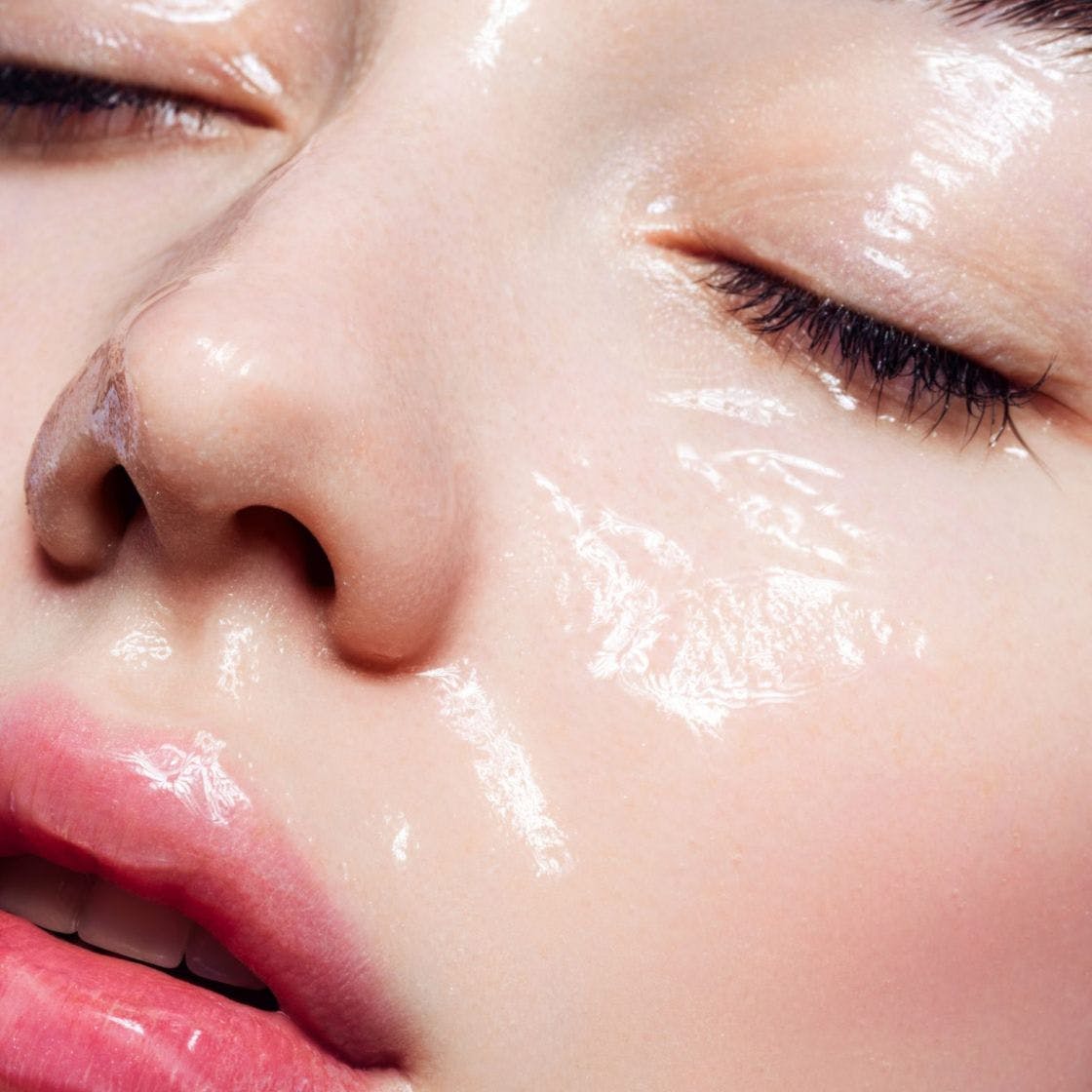
Slugging is coating your face with a thin layer of an occlusive ointment, usually petroleum jelly, before bed. The name comes from the shiny look it leaves, not from slugs.
The trend is believed to have started in South Korean skin care, according to Nebraska’s University Health Center. Similar habits were used long before it had a catchy name.
An occlusive is a product that sits on top of the skin and forms a seal. It does not add much water itself. Instead, it slows down the water that would normally evaporate from your skin overnight.
Is Slugging Good for Your Skin? The Honest Answer
For dry, dehydrated or winter-chapped skin, slugging can help. For oily or acne-prone skin, it can cause problems. For “normal” skin, the benefit may be small.
Dermatologist Amy Kassouf, MD, told Cleveland Clinic that petroleum jelly is “a simple and very occlusive ointment.” She says slugging is more useful in dry winter months than in warm, humid weather.
Dermatologist Ronald Sulewski, MD, notes that slugging may help people with severe dryness or eczema, but may do little for the average person. If you like it and your skin tolerates it, it is reasonable to keep going.
Not sure if your skin is dry or just dehydrated? Our guide to dry vs dehydrated skin helps you tell the difference first.
The Benefits of Slugging
1. It locks in moisture
The main benefit is less water loss overnight. Skin that keeps more water feels softer and less tight in the morning.
2. It protects a stressed skin barrier
Cold air outside and heated air inside can dry out your skin’s outer layer. The seal may help keep irritants out while your skin recovers. If your skin stings, feels rough or reacts to everything, read our skin barrier repair guide.
3. It is cheap and simple
Plain petroleum jelly costs very little. You do not need a special “slugging balm” for the method to work.
4. Hydrated skin can look smoother for a while
Well-hydrated skin can make fine lines look softer, according to WebMD. This is a short-term look, not a change in the skin itself.
The Downsides and Risks
- Breakouts: An occlusive layer can make acne worse for some people.
- Milia: Thick ointments can block sweat glands and cause milia, which are small, pimple-like bumps.
- Trapped irritants: Active ingredients such as retinoids, AHAs and BHAs can irritate more when sealed in.
- Trapped heat: On a sunburn, a thick ointment can hold heat in and make discomfort last longer.
- Mess: Petroleum jelly can stain pillowcases and feel greasy.
Many viral videos claim slugging clears blackheads. Dr. Sulewski disputes this, and for oily skin it may do the opposite.
Who Should Try Slugging and Who Should Skip It
Use this table to check your skin type before you start.
| Skin type or situation | Slugging verdict | Why |
|---|---|---|
| Dry or dehydrated skin | Good candidate | The seal slows overnight water loss |
| Winter-chapped or windburned skin | Good candidate | Most useful in cold, dry months |
| Normal skin | Optional | May do little; fine if you like it |
| Sensitive skin | Try with care | Patch test first; avoid sealing in actives |
| Eczema or dry, red rosacea | Ask your dermatologist | May help some people with severe dryness |
| Oily skin | Usually skip | Skin already has plenty of surface oil |
| Acne-prone skin or papulopustular rosacea | Skip | Can worsen breakouts and cause milia |
| Sunburn, infected skin or open wounds | Skip | Can trap heat or stop an infection clearing |
How to Slug Safely: Step by Step
- Cleanse. Start with a clean face and clean hands. Never slug over makeup or sunscreen.
- Leave skin slightly damp. Pat dry gently so a little water stays on the skin.
- Apply your gentle products. Use a simple hydrating serum and moisturizer. Skip retinoids, AHAs and BHAs on slugging nights.
- Use a pea-sized amount. Warm it between your fingers and press a thin layer over dry areas, or the whole face.
- Wait about 30 minutes. Cleveland Clinic suggests letting products settle before bed.
- Protect your bedding. Put a towel over your pillowcase and cover your hair.
- Wash in the morning. Use a gentle cleanser to remove all the residue.
What product should you use?
Pure or nearly pure petroleum jelly works best. Avoid ointments with fragrance or long lists of extras, because added ingredients raise the chance of irritation.
Try “spot slugging” first
You do not have to cover your whole face. Many people only slug the driest, thinnest areas, such as the lips, around the eyes, and dry patches on the cheeks. This lowers the risk of clogged pores on the T-zone.
How Often Should You Slug?
There is no fixed rule. A good start is once or twice a week. Dr. Kassouf says very dry skin may need a couple of nights in a row to “catch up,” but slugging should rarely be a nightly habit.
Watch your skin for one to two weeks. If it feels softer with no new bumps, you can keep your routine. If you see breakouts, cut back or stop.
Common Slugging Mistakes to Avoid
- Using a thick layer instead of a thin one.
- Slugging over a retinoid, acid toner or acne treatment.
- Skipping the morning cleanse.
- Slugging every night in humid summer weather.
- Ignoring new bumps because “it works for everyone online.”
Slugging works best as one part of a cold-weather routine. For more ideas, see our winter skin care tips.
When to See a Doctor
See a doctor or board-certified dermatologist if:
- Your skin stays dry, cracked or painful even with good moisturizing.
- You get a rash, swelling, or redness that spreads.
- You have a facial skin problem you cannot explain. A doctor should rule out infection before you slug.
- Skin looks infected, with pus, crusting, warmth or fever.
- Breakouts or bumps do not clear after you stop slugging.
FAQ: Is Slugging Good for Your Skin?
Does slugging clog pores?
It can for oily and acne-prone skin. Thick ointments may also block sweat glands and cause milia. Dry skin is less likely to have this problem.
Can I slug with retinol?
It is best not to. Cleveland Clinic advises avoiding retinoids, AHAs and BHAs on slugging nights, because sealing them in can irritate the skin.
Is slugging good for oily skin?
Usually not. Oily skin already has enough surface oil, so an extra seal adds little and may lead to breakouts.
Can I slug every night?
Most people do not need to. Start once or twice a week. Very dry skin may need a few nights in a row, then a break.
Is slugging safe on a sunburn?
No. A thick ointment can trap heat and make a sunburn feel worse for longer. A gentle facial cream is a better choice.
Conclusion
So, is slugging good for your skin? If your skin is dry, tight or chapped from winter weather, a thin layer of petroleum jelly at night can help it hold on to moisture. If your skin is oily or acne-prone, the risks often outweigh the benefits.
Start small, use clean skin, skip strong actives, and let your skin’s response guide you. When in doubt, ask a dermatologist.
This article is general information only and is not medical advice. Please consult a healthcare professional for personal advice.