Table of Contents
Quick Summary / At A Glance
- The evidence for snail mucin is limited, and more research is needed before definite claims can be made.
- Snail mucin is not a treatment for acne and it does not remove scars; at most, it offers cosmetic support.
- It contains hyaluronic acid, glycolic acid, proteins and other compounds, and is mainly used to hydrate and nourish skin.
- Patch test first, follow the product label, and stop using it if you develop irritation or signs of allergy.
- Acne that is persistent, cystic or scarring needs a dermatologist, not a cosmetic product alone.
What Snail Mucin Is
Snail mucin, also called snail secretion filtrate, is a clear, sticky secretion that snails produce to protect their bodies as they move. The original article described it as a substance that helps protect snails from dehydration, infection and harsh environments.
In skincare, it appears in creams, gels, serums, essences and sheet masks. It is not a medicine, and using it on the face is a cosmetic choice, not a medical treatment.
The article listed hyaluronic acid, glycolic acid, proteins, glycosaminoglycans, collagen and elastin among its components. Those ingredients explain why the product is discussed for hydration and for the look of skin, rather than as a cure.
The Evidence Is Limited: What Can and Cannot Be Said
The original article itself noted debate and uncertainty throughout. In one place it said there is limited scientific evidence for the claims made about snail essence and acne scars.
It also said there are no studies specifically looking at the effect of snail essence on acne scars in the material it presented. More research was said to be needed to know whether effects seen outside human use also occur in people.
For acne, the article described only some anecdotal evidence and said more research is needed before anyone can say definitively that snail mucin helps treat acne. That cautious wording is the right level for this topic.
Reports that many people say they saw positive results are not the same as proof. Individual reports can reflect many other parts of a routine, time passing, or the marks fading on their own.
How Snail Mucin May Support Hydrated, Calmer-Looking Skin
When applied to the skin, snail mucin was described in the article as helping to hydrate and nourish it, and to help keep it plump. Hyaluronic acid was presented as helping attract and hold moisture at the surface.
The article also described anti-inflammatory properties that may help skin look calmer around blemishes. That is a description of cosmetic support, not a promise that a product will clear acne or prevent new breakouts.
Glycolic acid was described as an exfoliating agent that can help remove dead skin cells and support new skin cell growth. That may affect how smooth skin looks and feels, which is different from removing a scar.
Proteins and glycosaminoglycans were linked in the article to supporting collagen production. Collagen and elastin were described as beneficial for skin health, firmness and elasticity, without any guarantee of a visible change for any one person.
At a Glance: Topic, What the Article Said, and a Cautious Take
| Topic | What the original article described | Cautious take |
|---|---|---|
| Acne | Hydration, nourishment and calmer-looking skin were described; evidence was anecdotal and limited. | Cosmetic support only; not an acne treatment. |
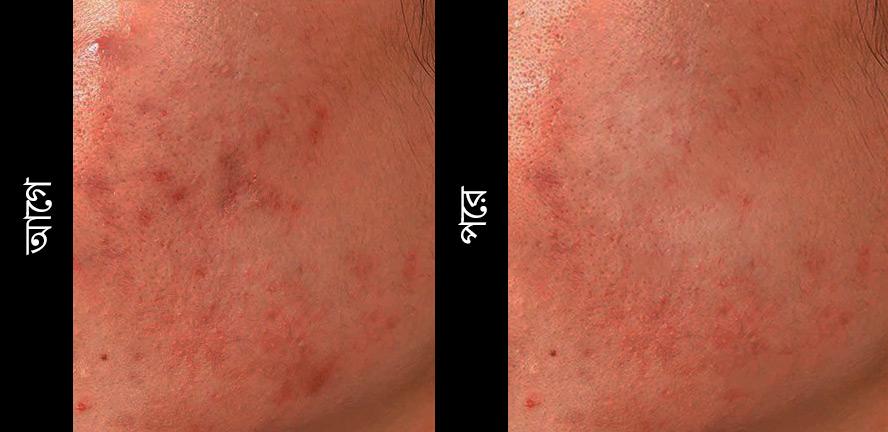
| Acne scars and marks | Some evidence was suggested for the appearance of scars, with no scar-specific studies noted. | May affect appearance for some people; it does not remove scars. |
| Hyperpigmentation and dark spots | A possible effect on pigment production was described, with more research needed. | Do not treat this as a proven way to fade dark spots. |
| Dry or dull skin | Hydration, plumpness and nourishment were the clearest themes in the article. | This is the most straightforward cosmetic use described. |
| Sensitive or irritated skin | Hydrating and soothing properties were described, but irritation and allergy were also reported. | Patch test first and stop if irritation occurs. |
Scars, Marks and Dark Spots: Keeping Expectations Realistic
The article used scar, acne scar and hyperpigmentation language in several overlapping sections. In a rewrite, those ideas need separating, because a flat mark, a change in colour and a true scar are not described in the article as the same thing.
For hyperpigmentation, the article said snail mucin is thought to have regenerative properties and may help lighten dark spots by affecting melanogenesis. It then added the important limit: more research is needed before anyone can say definitively whether it is effective for fading dark spots.
No single product was presented as working for everyone, and the article said there is no one-size-fits-all solution for acne scars. What helps one person may not help another, and clear, smooth skin was described as taking time and patience.
That means a product should not be judged overnight, and it should not replace advice about a scar that worries you. If a mark is changing, painful or not healing as expected, seek professional advice rather than relying on a cosmetic product.
Cystic and Persistent Acne: When to See a Dermatologist
Cystic acne was described in the article as a type of severe acne that results in large, deep breakouts. Those breakouts were described as often very painful and able to last for weeks or even months.
The article said cystic acne is caused by a build-up of oil and dead skin cells in the pores, which can lead to infection and inflammation. That description alone shows why a hydrating cosmetic product is not a treatment for it.
The article gave no definitive answer on whether snail mucin can cause cystic acne. It advised anyone considering it for cystic acne to speak with a dermatologist first to make sure it is safe for them to use.
Keep that advice at full strength for persistent, cystic or scarring acne. Do not delay professional care while waiting to see whether a cosmetic essence or cream changes severe breakouts.
How to Try Snail Mucin Safely: Patch Test First
Always do a patch test first. The article repeatedly advised testing on a small area of skin before using a product all over the face, to check for an allergic reaction or other reaction.
Follow the instructions on the product label carefully, and choose a product suitable for your skin type and needs. The article advised consulting a dermatologist or skincare professional before using any new product on your skin.
For acne-prone skin, the article suggested starting with products once or twice a week and seeing how the skin reacts. If the skin tolerated them well, frequency could be gradually increased as desired.
Use sunscreen during the day when using any product containing glycolic or other acids on your face. The article gave that reminder in its acne section, and it should not be skipped.
There is no definitive answer in the article on whether snail mucin causes purging, which it described as breaking out after starting a new product. Sensitive skin was given a particular reason to test first or avoid the ingredient.
Side Effects: Irritation, Contact Dermatitis and Allergy
Snail cream side effects were covered in the original article, and those cautions stay in full. One of the most common side effects it named was contact dermatitis, which can occur when snail mucin in a cream comes into contact with the skin.
That can cause redness, itching and burning. In severe cases, the article said it can lead to blistering and swelling, and anyone with those symptoms should discontinue use and seek medical attention.
Allergic reactions are another potential side effect, because some people may be allergic to snail mucin or to other ingredients in a snail cream. Reactions can range from mild itchiness and redness to severe symptoms such as difficulty breathing.
If you experience any symptoms of an allergic reaction after using a snail cream, stop using the product immediately and see a doctor. Do not keep applying a product that causes those symptoms to test whether they pass.
Bottom Line on Snail Mucin, Acne and Scarring
Snail mucin may be a useful cosmetic addition for some people who want hydration and a more nourished feel to the skin. Its possible place is alongside a simple routine, not as a replacement for treatment, professional advice or patience.
Keep expectations tied to what the article actually showed: limited evidence, no scar-specific proof in its material, and no definitive answer on acne, cystic acne or purging. A patch test, the product label and a dermatologist for serious acne remain the safeguards in this article.
This article is general information only and is not medical advice. Please consult a healthcare professional for personal advice.