
Table of Contents
Quick Summary / At A Glance
- Balayage is hand-painted, so it gives a soft, blended, sun-kissed result with less obvious regrowth than traditional highlights.
- Over time it can look lighter as toner fades, washing lifts colour, and sunlight, chlorine and heat speed up fading.
- How noticeable the change is depends on your starting colour, hair texture, colour choice and daily care routine.
- Balayage typically lasts about 8–12 weeks before a touch-up is needed, with a softer grow-out in between.
- Colour-safe products, less frequent washing, UV and heat protection, toning and regular salon visits help the colour last longer.
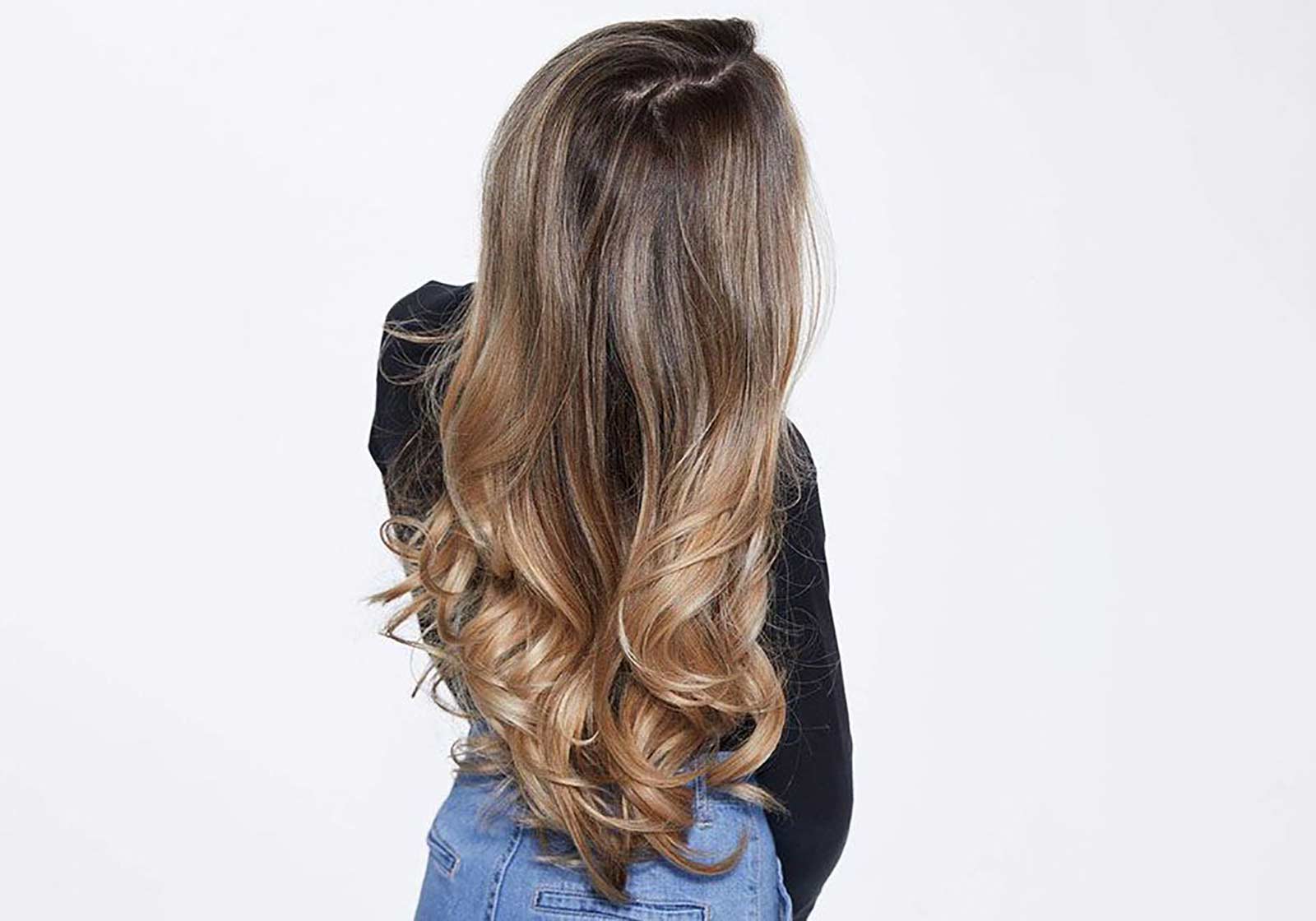
Balayage can lighten over time due to natural fading and exposure to sunlight. Because the highlights are hand-painted and sit towards the surface of the hair, the change is usually gradual rather than a harsh line.
This guide explains why that happens, what speeds it up, and how to slow it down.
Credit: www.biolage.com
What Balayage Is
Balayage is a popular highlighting technique that creates a natural, sun-kissed look. Instead of foils or caps, a colourist hand-paints colour onto sections of hair for a softer, more blended effect.
The name comes from the French word meaning “to sweep” or “to paint”, which reflects that hand-painted approach. Balayage differs from traditional highlights in application, effect and maintenance.
Traditional highlights usually use foils or caps to isolate sections, while balayage allows more precise, customised placement. Its regrowth is less noticeable, so you can usually go longer between touch-ups without losing the overall look.
That versatility is part of its popularity. Balayage works on various lengths and textures, can be customised to flatter individual features and hair colour, and grows out with a low-contrast regrowth line.
Why Balayage Can Look Lighter Over Time
The lightening you see is influenced by the initial lightening level, your natural pigment, the colour formula used and the routine you follow afterwards.
Toner and surface colour fade gradually, so the highlighted hair underneath can appear brighter. Sunlight can accelerate that process, although unprotected exposure can also leave hair dry and damaged.
Factors That Influence the Change
- Sun exposure: UV rays can fade hair colour, including balayage highlights.
- Environment: Chlorine, saltwater and pollution can strip or dull colour and make fading faster.
- Washing and products: Frequent shampooing can strip natural oils and pigment, while colour-protective products help seal the cuticle and lock in colour.
- Heat styling: Regular use of flat irons and curling wands can damage the cuticle and accelerate colour loss; use heat protection if you style.
- Natural colour and texture: Lighter bases tend to show brighter highlights, darker bases look subtler, and warm undertones affect the final tone.
- Coarser hair may be more resistant to colour, while finer hair may show lightening more quickly.
Remember, the lightening process varies from person to person. Understanding these factors helps you make informed decisions about touch-ups and maintenance, and about how to protect the look you want.
Balayage, Foil Highlights and Ombre Compared
Balayage is not the only way to add dimension and brightness. The table below summarises how it compares with foil highlights and ombre in the points covered in this guide.
| Technique | Application | Result | Maintenance |
|---|---|---|---|
| Balayage | Painted freehand onto strands | Natural, blended, sun-kissed and effortless | Low maintenance; regrowth is less noticeable |
| Foil highlights | Applied using foils to isolate sections for precise placement | Defined and uniform, with greater intensity and contrast | Requires regular touch-ups for regrowth |
| Ombre | Distinct transition from dark to light, often from the mid-lengths or ends | Dramatic contrast and a bold look | Grow-out is usually seamless |
For hair type, balayage can give fine hair a natural, delicate look, soften thick hair, and complement curly hair by accentuating movement and texture.
How Long Balayage Lasts and How It Fades
On average, balayage typically lasts for about 8–12 weeks before a touch-up is needed. With proper maintenance and care, you can extend that lifespan further.
Texture, routine and colour choice all matter. Balayage tends to last longer on coarser textures than on finer hair, and shades closer to your natural colour give a more seamless grow-out.
As with any hair colour, balayage can change over time, but its fade is usually gradual and natural-looking. Periodic glazing or toning can refresh vibrancy and help minimise unwanted brassiness or fading.
Less visible roots are part of the appeal. Because colour is painted to blend with natural roots, lightening does not usually create a stark contrast as it grows out.
What Makes Balayage Fade More Quickly
Washing, Heat and Water
Frequent washing can affect balayage highlights. Harsh shampoos and hot water can strip natural oils, leading to dryness and colour fading.
Avoid washing daily if you want to preserve vibrancy. Choose sulphate-free shampoos and lukewarm water instead.
Chlorine can gradually strip colour molecules from hair, including balayage highlights. Before swimming, protect your hair with leave-in conditioner or a swim cap.
Afterwards, rinse thoroughly and use a deep-conditioning treatment to restore moisture.
Not Every Colour Changes in the Same Way
Blonde balayage tends to lighten more easily and visibly than darker colours. Brunettes may see a more subtle effect.
Redheads may notice a change too, but it may be less apparent because of the underlying pigments.
Caring for Balayage at Home
Use a colour-safe shampoo and conditioner made for colour-treated or dyed hair. These are formulated to be gentle and to help prevent premature fading.
Avoid sulphates and harsh chemicals, which can strip colour and moisture. Add a deep-conditioning treatment or hair mask to keep hair hydrated and prevent dryness dulling the highlights.
Protecting Your Hair From UV Damage
The sun can fade balayage highlights, so cover hair with a hat or scarf during prolonged sunlight.
Use a UV protectant spray with UV filters, and limit direct exposure where you can. Seek shade, especially during the peak hours of the day.
Heat Styling Without Speeding Up Fade
Use heat protectant sprays or creams before hot tools, and set tools to lower heat settings.
Avoid excessive heat or daily use of hot tools. Air-drying or low-heat methods can help when they suit your hair.
Toning, Conditioning and Salon Touch-Ups
Purple shampoo can help counteract unwanted brassiness by neutralising warm tones. Toning conditioners use colour-correcting pigments to restore brightness.
Gloss treatments add shine, enhance vibrancy and help seal the cuticle, protecting colour from fading or becoming dull.
Weekly hair masks designed for colour-treated hair can nourish and hydrate strands, preventing dryness and frizz.
Oil treatments with coconut, argan or jojoba oil are another option. Apply to the hair, focusing on the ends, for a few hours or overnight before rinsing.
Regular touch-ups let a colourist assess your highlights, touch up regrowth and keep the colour blended with your natural hair.
Toning and refreshing at salon visits can also help, because the toner from the first application may fade and shift the colour over time.
Balayage Care at a Glance
| Need | What to do |
|---|---|
| Washing | Sulphate-free, colour-safe products and lukewarm water; avoid daily washing |
| Sun and swimming | Hat or scarf, UV spray, leave-in conditioner or swim cap; rinse after swimming |
| Heat | Heat protectant, lower settings, and less frequent hot-tool use |
| Conditioning | Weekly mask or oil treatment to reduce dryness and frizz |
| Tone and touch-ups | Purple shampoo, toning conditioner or gloss; salon toning and touch-ups every 8–12 weeks |
Choosing Shades and Letting Balayage Fade Gracefully
Consider your skin tone and natural hair colour when choosing balayage shades. Choose shades no more than two or three levels lighter than your natural colour.
Warm-toned skin suits honey or caramel tones, while cooler skin tones can work with ash or platinum shades. A professional colourist can help tailor the choice to you.
Fine, thick and curly hair may need different placement, so discuss hair type as well as colour at your appointment.
Balayage is low-maintenance and blends with natural colour as it grows, so you can embrace the natural fading process and let roots grow out naturally.
Regular trims remove split ends and keep hair looking healthy. If you prefer, ask your colourist to gradually blend balayage into your natural colour at touch-ups.
Frequently Asked Questions
How Long Does It Take for Balayage to Fade?
Balayage tends to fade gradually over time, typically within 8–12 weeks.
How Often Should You Get Balayage Redone?
Balayage should be redone every 8–12 weeks for optimal results.
Why Is My Balayage Fading So Quickly?
Frequent washing, harsh hair products or sun exposure may be the reason.
Conclusion
Balayage does lighten and fade gradually over time, shaped by washing, sun, products, colour and texture. Colour-protecting products, less heat, limited sun exposure and regular professional touch-ups can help it stay fresh for longer.
This article is general information only and is not medical advice. Please consult a healthcare professional for personal advice.