Table of Contents
Quick Summary / At A Glance
- PDRN is a mix of DNA fragments, usually sourced from salmon, used first in medical and clinic settings and now sold in cosmetic serums.
- A serum you rub on intact skin is not the same as a clinic treatment, and the two should never be compared directly.
- PDRN molecules are large, so how much can pass through intact skin in a useful form is a genuine, unanswered question.
- Any gentle hydration or comfort you feel from a PDRN serum may come as much from the serum base as from the PDRN itself.
- There is no proof a topical PDRN serum can rebuild skin, remove wrinkles or replace professional treatment, so patch test and keep expectations modest.
Few ingredient names stop a scroll like salmon DNA. PDRN serums have moved quickly from clinic conversations to beauty shelves, helped by dramatic before-and-after posts and confident repair claims.
Behind the nickname sits a real substance with a real history, but also a large gap between what happens in a clinic and what a cosmetic bottle can do. This article closes that gap honestly, without hype in either direction.
You will learn what PDRN actually is, why molecule size matters, which benefits are plausible from a serum, and who should skip this trend altogether.
What PDRN Actually Is, in Plain Language
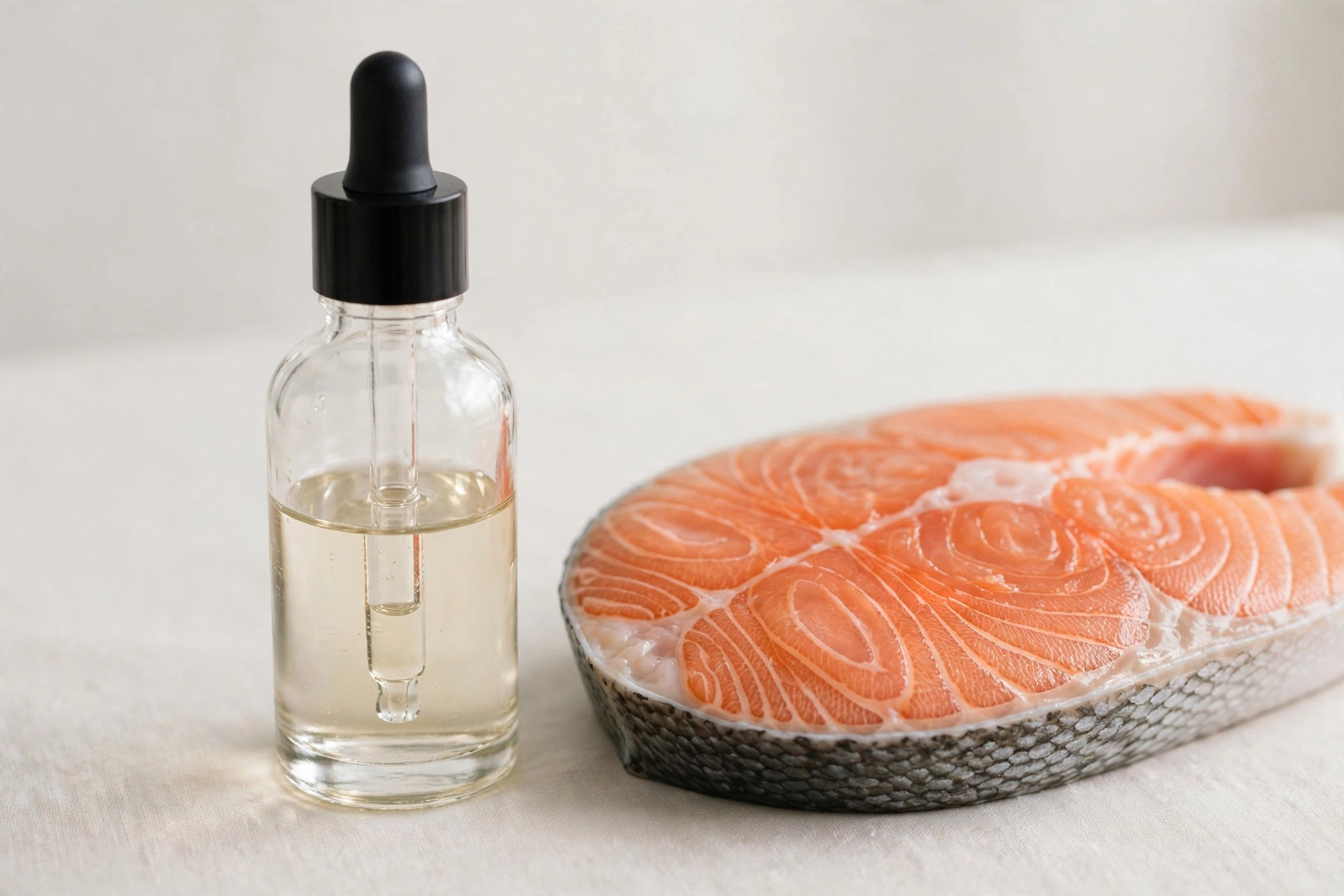
PDRN stands for polydeoxyribonucleotide. It is a preparation made of short fragments of DNA, most commonly extracted and purified from salmon sperm cells.
Despite the unusual source, the finished ingredient is highly processed. It is not raw fish material, and a well-made cosmetic product should not smell of fish.
PDRN first attracted attention in medical wound-care research, where preparations were studied for supporting tissue repair. That clinical background is exactly why the marketing sounds so medical, and why the details matter.
A substance studied in wounds or delivered by professionals is not automatically effective when it is mixed into a cream and spread over healthy, unbroken skin. The route into the body changes everything.
Clinic PDRN vs a PDRN Serum: The Difference That Matters Most
In clinic settings, PDRN has been used in injectable skin treatments administered by trained professionals. Injection places the substance beneath the skin surface, bypassing the barrier completely.
A cosmetic serum works in the opposite way. It sits on top of the skin, and anything in it must cross the outer barrier on its own if it is to reach deeper layers.
That single difference explains most of the honest disagreement about PDRN skincare. Results reported from clinic procedures cannot simply be transferred to a bottle bought online.
It also means price comparisons are misleading. A serum is not a cheaper version of a clinic treatment; it is a different product category with different limits.
The Molecule-Size Question Everyone Is Arguing About
Skin is an effective barrier by design. Its outer layer keeps water in and most large molecules out, which is why so few cosmetic ingredients reach deep tissue intact.
PDRN fragments are relatively large molecules. Critics of the trend use a simple image for this problem: expecting a large fragment to pass intact skin can be like pushing something bulky through a very small opening.
Supporters answer that fragments may be broken down further, or that surface and near-surface effects could still be useful. Both points can be discussed, but neither has been settled by strong independent evidence for ordinary cosmetic serums.
The fair conclusion today is uncertainty. Anyone who tells you the delivery question is fully solved, in either direction, is going further than the evidence allows.
What a PDRN Serum Can Plausibly Do
Most serums, including PDRN serums, are built on hydrating bases with ingredients such as glycerin or similar humectants. Those bases can temporarily make skin feel smoother, softer and less tight.
That kind of short-term hydration is real, even if it is modest. Well-hydrated surface skin also tends to look a little plumper and reflect light more evenly for a few hours.
Some users also report that their skin feels calmer and more comfortable while using a gentle, fragrance-light serum. Comfort is a legitimate cosmetic benefit, as long as it is not dressed up as medical repair.
If you already follow a structured routine, such as the approach explained in our guide to skin cycling, a PDRN serum would sit in the same gentle, non-exfoliating slot as other plain hydrating serums, not in an active treatment slot.
What It Cannot Honestly Promise
A topical PDRN serum has not been proven to rebuild damaged skin, erase wrinkles, lift sagging or reverse sun damage. Those are structural changes, and no cosmetic serum should promise them.
It also cannot replace sunscreen, a prescribed retinoid, or medical treatment for conditions such as eczema, rosacea or persistent acne. Marketing language like booster or rejuvenation does not change that.
Be cautious with dramatic transformation photos. Lighting, camera angle, filters, concurrent treatments and simple hydration can all change how skin looks between two pictures.
| Claim you may see | Honest position |
|---|---|
| Repairs and regenerates skin like a clinic treatment | Not proven for a serum rubbed onto intact skin; clinic delivery is different |
| Deeply hydrates and softens | Plausible, largely from the serum base; usually temporary |
| Smooths wrinkles and firms skin | No reliable proof of structural change from topical cosmetic use |
| Calms and comforts skin | Possible for some users if the formula is gentle; irritation is also possible |
| Works for everyone | No; sensitive skin, fish-related allergies and broken skin are reasons to pause |
Reading claims through a table like this is a useful habit for every trending ingredient, not only PDRN. It separates a pleasant cosmetic effect from a medical promise.
Who Should Skip PDRN, or Ask First
Skip it, or ask a healthcare professional first, if you have a known fish or seafood allergy. Even highly purified ingredients deserve caution when the source is relevant to your allergy history.
Do not apply any cosmetic serum to broken, infected, weeping or freshly treated skin unless a professional has told you to. Skin that is healing after a procedure needs medical guidance, not a trending product.
People who are pregnant or breastfeeding should also ask before adopting new active-style products, simply because safety data for cosmetic trends is often limited. When in doubt, a plain, familiar moisturiser is the safer choice.
If your main concern is a medical one, such as spreading redness, stubborn acne or a changing mole, a serum is the wrong tool entirely.
For general technique, our guide on how to use a face serum explains sensible application steps.
How to Try a PDRN Serum Sensibly, If You Still Want To
Start with a patch test. Apply a small amount behind the ear or along the jawline once a day for several days and watch for redness, itching, bumps or stinging that does not settle.
Introduce it on its own. Adding a new serum in the same week as a new acid or retinoid makes it impossible to tell which product caused a reaction.
Use it as a hydration step on clean, slightly damp skin, then seal it with your usual moisturiser. Stop if irritation builds rather than fades, and do not increase frequency to chase faster results.
Judge it after several weeks on comfort and hydration only. If your skin simply feels pleasant and hydrated, that is the benefit; expecting visible restructuring will only lead to disappointment and overspending.
The Bottom Line on Salmon DNA Skincare
PDRN is a genuinely interesting ingredient with a clinical history, and that history is exactly why its cosmetic marketing needs careful reading. A serum is not an injection, and large molecules face a real barrier problem on intact skin.
Bought with modest expectations, a gentle PDRN serum may be a pleasant hydrating step for some people. Bought as a promise of repair, firming or transformation, it is very likely to disappoint.
Your money and your skin are both better served by the unglamorous basics: gentle cleansing, regular moisturising, daily sun protection, and prompt medical advice when something looks or feels wrong.
This article is general information only and is not medical advice. Please consult a healthcare professional for personal advice.