
Table of Contents
Quick Summary / At A Glance
- Choose gentle silk, satin or fabric ties and avoid rubber bands, metal parts and overly tight styles.
- Prepare hair by washing, conditioning, detangling gently and using heat protectant before blow-drying or hot tools.
- Match height and finish to your face shape, hair length and hair type for a more balanced look.
- Try high, messy, bubble, topsy-tail and braided ponytails, using pins, flexible-hold spray and accessories for extra hold.
- Protect the style overnight with a silk scarf or pillowcase, and give hair regular breaks from tight ponytails.
A ponytail is a simple hairstyle in which hair is pulled back and held in place with an elastic band. It is easy to create, keeps hair off the face and neck, and can be worn high, low, side or twisted.
It suits straight, wavy, curly and coily hair, and can show off long hair or help thin hair look fuller. With the right preparation and tools, the same basic style can look neat for work or dressed up for an event.
Choosing the Right Tools and Accessories
The tools you use affect both the finish and the health of your hair. Gentle ties, suitable brushes and flexible-hold products help you style with less pulling and breakage.
Hair ties and hair health
Elastic ties are common, but rubber bands and ties with metal parts can catch hair and cause damage. Silk, satin, fabric-covered ties and scrunchies reduce friction and are less likely to cause breakage and split ends.
Do not pull a ponytail too tight. Too much pressure at the roots can cause damage and even hair loss, as well as discomfort, so choose a looser hold where you can.
Brushes and combs for detangling
Use a wide-tooth comb or a paddle brush with flexible bristles to work through knots gently. Avoid brushes and combs with sharp bristles or fine teeth, which can damage or break hair.
For styling, a round brush can add volume, while a bristle brush can spread natural oils from the scalp along the hair. That can add shine and help hair look healthier overall.
Products for hold and volume
Look for hairspray or mousse with a flexible hold rather than a hard hold, so the ponytail stays in place without looking stiff. Texturising spray or dry shampoo at the roots can add texture and lift.
Preparing Your Hair for a Ponytail
A polished ponytail that holds its shape starts with preparation. Washing, careful drying and gentle detangling create a smooth base.
Washing and conditioning
Choose a gentle shampoo that suits your hair type and massage it into the scalp to remove build-up and oils. Rinse thoroughly so no shampoo residue is left behind.
Apply conditioner to the ends, avoiding the roots, and leave it on for a few minutes. Rinse it out fully before styling.
Blow-drying and heat styling safely
Use a heat protectant spray before blow-drying or using any hot tools. Set the dryer to a medium or low heat setting, and keep it moving to distribute heat evenly.
Avoid using hot styling tools every day. Giving hair a break helps prevent excessive heat damage.
Brushing and detangling for a smooth base
Start with a wide-tooth comb or detangling brush, working from the ends upwards to remove knots. Then use a paddle or boar bristle brush to smooth hair in the direction of the ponytail.
Secure the ponytail so it is not too tight. Unnecessary tension can cause breakage.
Matching a Ponytail to Face Shape, Length and Hair Type
The most flattering ponytail depends on your face shape, hair length and hair type. Use the table below as a starting point, then adjust the style to suit you.
| Face shape | Ponytail ideas from this guide |
|---|---|
| Round | High with volume on top; sleek high with a deep side part; low side ponytail |
| Oval | Low ponytail; mid-height with loose face-framing strands; sleek high ponytail |
| Square | Low and loose with face-framing layers; high with curly or wavy ends; diagonally parted ponytail |
| Heart-shaped | Low and textured with loose tendrils; sleek high with a centre part; side-swept with soft curls |
Short hair can work as a low, messy ponytail or a half-up style, and extensions can help create a sleek high ponytail. Medium hair suits a mid-height twist or braid, a low tousled style, or a high ponytail with curls or waves.
Long hair suits a classic sleek high ponytail, a low side-swept style with soft waves, or a voluminous textured ponytail. For thin hair, tease the crown gently, consider a half-up style, or use extensions or clip-ins for added thickness.
Thick hair may need a strong-hold tie and can suit braided or twisted styles that help manage its weight. Textured hair can be worn fluffy and voluminous, with a moisturising product to define curls or waves before styling.
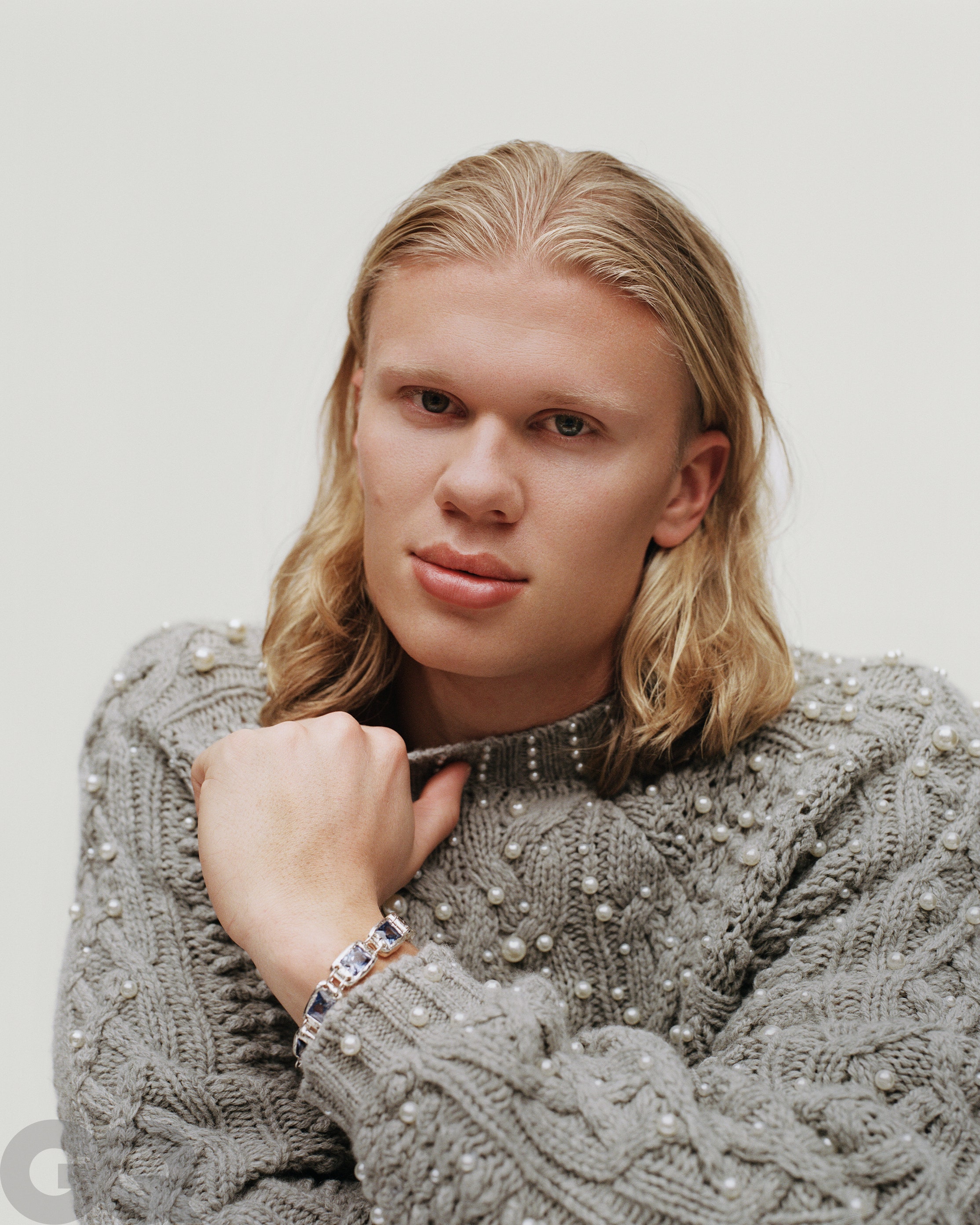
Credit: www.gq.com
High Ponytails: Sleek or Voluminous
A high ponytail can look sleek and polished, or playful and full. Brush hair free of tangles, gather it at the crown, and secure it with a hair tie.
For a polished finish, wrap a small section of hair around the tie and secure it with a bobby pin. Use hairspray or serum to tame flyaways and add shine.
For more volume, tease the crown gently before securing the ponytail, and add loose waves or curls with a curling iron or hot rollers, using heat protectant first. Tousle the curls with your fingers for a softer finish.
A bold or embellished tie, a ribbon that complements your outfit, or decorative clips can lift a high ponytail for an event.
Messy Ponytails, Braids and Twists
A messy ponytail embraces small imperfections and can be worn casually or dressed up. Secure hair high or low, then gently pull on small sections near the crown to add volume and texture.
Leave a few pieces free around the face, or pin them back if you prefer. Braids at the front or sides, a braided crown, twists pinned around the base, or a twisted bun can add interest.
For a formal occasion, tame stray hairs and make sure the ponytail is smooth and secure, using a little hairspray or smoothing cream. Wrap hair around the base to hide the tie, and add a statement clip or ribbon.
Modern Variations: Bubble, Topsy Tail and Braided Ponytails
For a bubble ponytail, secure a high ponytail, then place small bands at regular intervals along its length. This works best with longer hair, and you can change the spacing to suit you.
For a topsy tail, make a small hole just above the tie, flip the ponytail through it, and pull it through to create a twisted effect. It is a quick option for everyday wear or special events.
For a ponytail braid, braid a small section near the temples, then gather all the hair, including the braid, into a ponytail. This combines the detail of a braid with the simplicity of a ponytail.
Securing a Ponytail for All-Day Hold
Tight ponytails can put pressure on the scalp and cause discomfort or a headache. Use a soft, stretchy tie made for ponytails, loosen the style slightly for a snug but comfortable hold, and position heavier hair lower to distribute its weight more evenly.
To reduce slippage, tease the roots at the crown before tying to create texture and grip. Wrap the tie around several times, and wrap a small section of hair around the base and pin it for extra security.
Insert a few bobby pins vertically into the base to create more points of contact. A light spritz of flexible-hold hairspray can tame flyaways and help the style stay in place.
Common Problems: Frizz, Damage and a Flat Ponytail
For frizz and flyaways, use a smoothing shampoo and conditioner, and a leave-in conditioner or anti-frizz serum on damp hair before styling. Detangle with a wide-tooth comb or boar bristle brush rather than a regular brush, which can create friction.
To avoid damage, choose looser ponytails, use fabric or silk-covered ties, and do not wear the ponytail in the same position every day. Give hair regular breaks with braids, loose buns or other styles to minimise constant tension.
If a ponytail looks flat, gently backcomb the roots and smooth the top layer, add a texturising spray and tousle with your fingers, or accessorise with bows, a headband or jewelled clips.
Overnight Care and Morning Touch-Ups
Wrap a ponytail in a silk scarf or sleep on a silk pillowcase to reduce friction and help prevent frizz and breakage. Avoid sleeping on rough materials such as cotton or wool, which can create friction.
Before bed, brush gently to remove tangles, then make a loose bun or twist the ponytail into a coil with a soft tie. In the morning, comb gently, use dry shampoo or texturising spray at the roots if volume has dropped, tame flyaways with a lightweight spray, and reposition the ponytail slightly to conceal creasing.
Frequently Asked Questions
Are ponytails still in style for 2023?
Yes, ponytails are still in style for 2023, offering a versatile and trendy hairstyle option.
What are two ponytails called?
Two ponytails are called “double ponytails” or “twin ponytails.”
Conclusion
A ponytail can be quick, polished, playful or formal, depending on its height, finish and accessories. Experiment with different styles, but keep comfort, gentle ties and regular breaks at the centre of your routine.
This article is general information only and is not medical advice. Please consult a healthcare professional for personal advice.