S5 Cream is sold as a cosmetic face cream. The seller markets it as a product for reducing the appearance of wrinkles and making skin look younger and firmer. Those are marketing claims made by the seller — they are not established facts, and this article treats them that way.
Table of Contents
What the seller claims
In its marketing, the seller presents S5 Cream as a non-invasive alternative to salon treatments and injections, and suggests it supports collagen and improves skin firmness and elasticity. Marketing material for the product has also referred to studies and to results over a period of weeks.
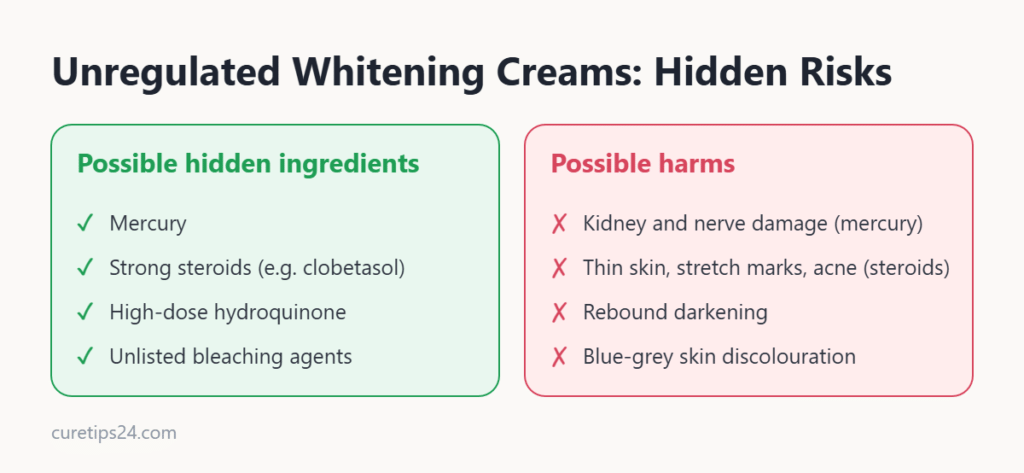
The World Health Organization warns that mercury is used in some skin-lightening creams and soaps and can damage the kidneys and nervous system. Products sold online without clear ingredient lists or regulatory approval carry the highest risk.
The honest position on the evidence
There is no reliable published evidence behind the study claims made for this product. No verifiable published trial is cited for it, so claims about proven results should not be taken at face value. As with any cosmetic product, individual experiences vary and marketing language is not proof that a product works.
A cream applied to the skin cannot deliver medicine-like results. Cosmetic creams can moisturise the skin and may temporarily change how it looks and feels, but they do not work like prescription treatments or procedures carried out by a clinician.
Possible side effects
Like other cosmetic creams, S5 Cream could cause skin irritation, redness, itching or an allergic reaction in some people, particularly those with sensitive skin. If any of these occur, stop using the product. See a dermatologist if irritation is severe, spreads, or does not settle after you stop using it.
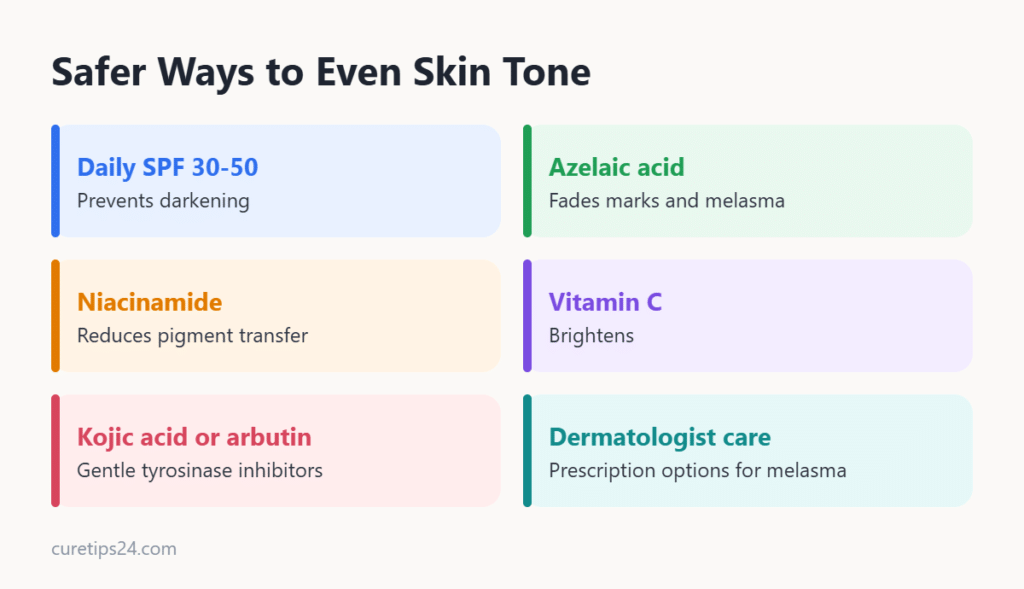
DermNet explains that strict sun protection is the foundation of treating pigmentation, and the NHS recommends SPF 30 or higher with high UVA protection.
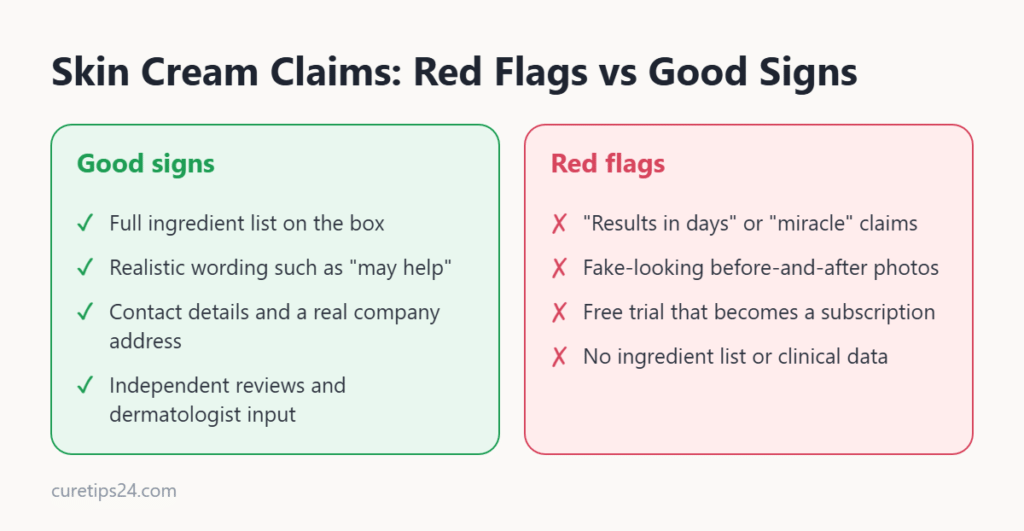
How to Judge Any Skin Cream Before Buying
Many creams sold through online ads use similar marketing: dramatic before-and-after photos, celebrity endorsements and “limited-time” free trials. Before buying, look for a full ingredient list, check whether the active ingredients have real evidence behind them, and read the subscription terms carefully, as some trials automatically charge your card every month.
Ingredients with stronger evidence for common skin goals include retinoids for texture and fine lines, vitamin C and azelaic acid for dark spots, and daily sunscreen for prevention. Read our honest guides to anti-wrinkle products, azelaic acid and fragrance-free skincare for sensitive skin.
Stop Using a Cream If You Notice
- Burning, peeling or thinning skin.
- New acne, stretch marks or visible blood vessels.
- Darker or blue-grey patches.
- Headaches, tremors or tiredness (possible mercury exposure); see a doctor.
See kojic acid, azelaic acid and products for hyperpigmentation.
Ingredients That Actually Help Common Skin Concerns
- Fine lines: retinoids such as retinol or prescription tretinoin, plus daily sunscreen.
- Dark spots: vitamin C, azelaic acid, niacinamide and strict sun protection.
- Dryness: ceramides, glycerin and hyaluronic acid in a fragrance-free moisturiser.
- Redness: gentle cleansers, niacinamide, and avoiding fragrance and harsh scrubs.
If a cream does not list any of these ingredients, or hides them behind “proprietary blends”, it is hard to know what it can realistically do. A simple, affordable routine built on proven ingredients usually beats an expensive cream promoted with dramatic claims.
Protecting Yourself When Buying Online
- Search the product name plus “reviews” and “scam” before buying.
- Read the small print on free trials, which may sign you up for monthly charges.
- Buy from established retailers that offer clear return policies.
- Keep receipts and screenshots of the offer in case you need a refund.
- Contact your bank quickly if you see charges you did not agree to.
A Warning About Unregulated Face and Fairness Creams
Some face creams sold online or in markets, especially those promising very fast whitening, “fairness” or dramatic anti-ageing results, have been found to contain hidden ingredients such as mercury or strong steroids. The World Health Organization has warned that mercury in skin-lightening products can damage the kidneys and the nervous system, and long-term use of strong steroid creams on the face can thin the skin and cause acne, stretch marks and visible blood vessels. These ingredients are often not listed on the label.
To reduce the risk:
- Buy skincare from reputable pharmacies and shops, not unknown sellers or social media adverts.
- Avoid products with no full ingredient list, no manufacturer address or labels you can’t read.
- Be wary of creams that promise results within days.
- Stop using any cream that causes burning, rapid lightening, thinning skin or new spots, and see a doctor.
Safer Alternatives for Common Goals
| Goal | Ingredients with better evidence |
|---|---|
| Fine lines and texture | Retinol or prescription retinoids, plus daily sunscreen |
| Dark spots and uneven tone | Vitamin C, niacinamide, azelaic acid, sunscreen |
| Dry, dull skin | Gentle cleanser and a moisturiser with ceramides or glycerin |
| Acne | Benzoyl peroxide, salicylic acid or adapalene, depending on the type of acne |
A pharmacist or dermatologist can help you choose products that suit your skin type and any medical conditions, which is far safer than trying an unknown cream with bold promises.
How to Patch Test a New Face Cream
- Apply a small amount to a discreet area, such as behind the ear or the inner forearm.
- Leave it on as you normally would, and repeat once or twice a day for several days.
- Watch for redness, itching, swelling, burning or small bumps.
- If there is no reaction, try a small area of the face, such as along the jawline, before using it all over.
A patch test can’t rule out every problem, especially hidden ingredients that cause harm slowly, but it is a sensible first step with any new product. Keep the packaging so you can show it to a doctor if you have a reaction, and report serious reactions to your local medicines or cosmetics regulator where possible.
In short, judge S5 Cream, or any similar product, by its full ingredient list and the seller’s transparency, not by the promises in its adverts. If those details are missing, choose a well-known product from a pharmacy instead.
Frequently Asked Questions
Can a cream really replace Botox or fillers?
No. Creams work on the surface of the skin, while injections act on muscles or add volume beneath the skin. A good cream can improve texture and hydration but cannot produce the same lifting effect.
How long should I try a new cream before judging it?
Give a cream with active ingredients about 8 to 12 weeks, taking photos in the same light, unless it causes irritation, in which case stop sooner.
Patch-test first
Before using any new cream on your face, apply a small amount to a small area of skin, such as behind the ear or on the inner forearm, and wait 24 hours. If there is no redness, itching or irritation, the product is less likely to trouble your skin — but a patch test cannot guarantee you will not react. Always follow the product’s own label directions.
This article is general information only and is not medical advice. Please consult a healthcare professional for personal advice.