Table of Contents
Quick Summary
- A varied, balanced diet is usually enough while breastfeeding, and no special or restrictive eating plan is needed.
- Regular meals with protein, whole grains, vegetables and fruit, dairy or fortified alternatives, and healthy fats support energy and recovery.
- Calcium, iron, iodine, vitamin D and omega-3 fats deserve attention, and any supplement should be checked with a clinician first.
- Drink to thirst, expect increased hunger, and keep caffeine and alcohol limited.
- Food alone rarely solves a milk-supply worry, so seek help early for feeding problems, supply concerns or supplement questions.
Breastfeeding is a time when food matters for both mother and baby, but it does not need to become a source of stress. A varied, balanced diet is usually enough to support breastfeeding, and most mothers do not need a special or restrictive eating plan. The goal is steady nourishment, not perfection at every meal.
Many new mothers worry that one wrong food will harm their baby or reduce milk supply. In most cases, that worry is greater than the risk. Milk production is remarkably resilient, and the body prioritises the baby’s needs. Still, eating well helps with energy, recovery, and general health, which makes the early weeks easier.
A simple pattern to follow
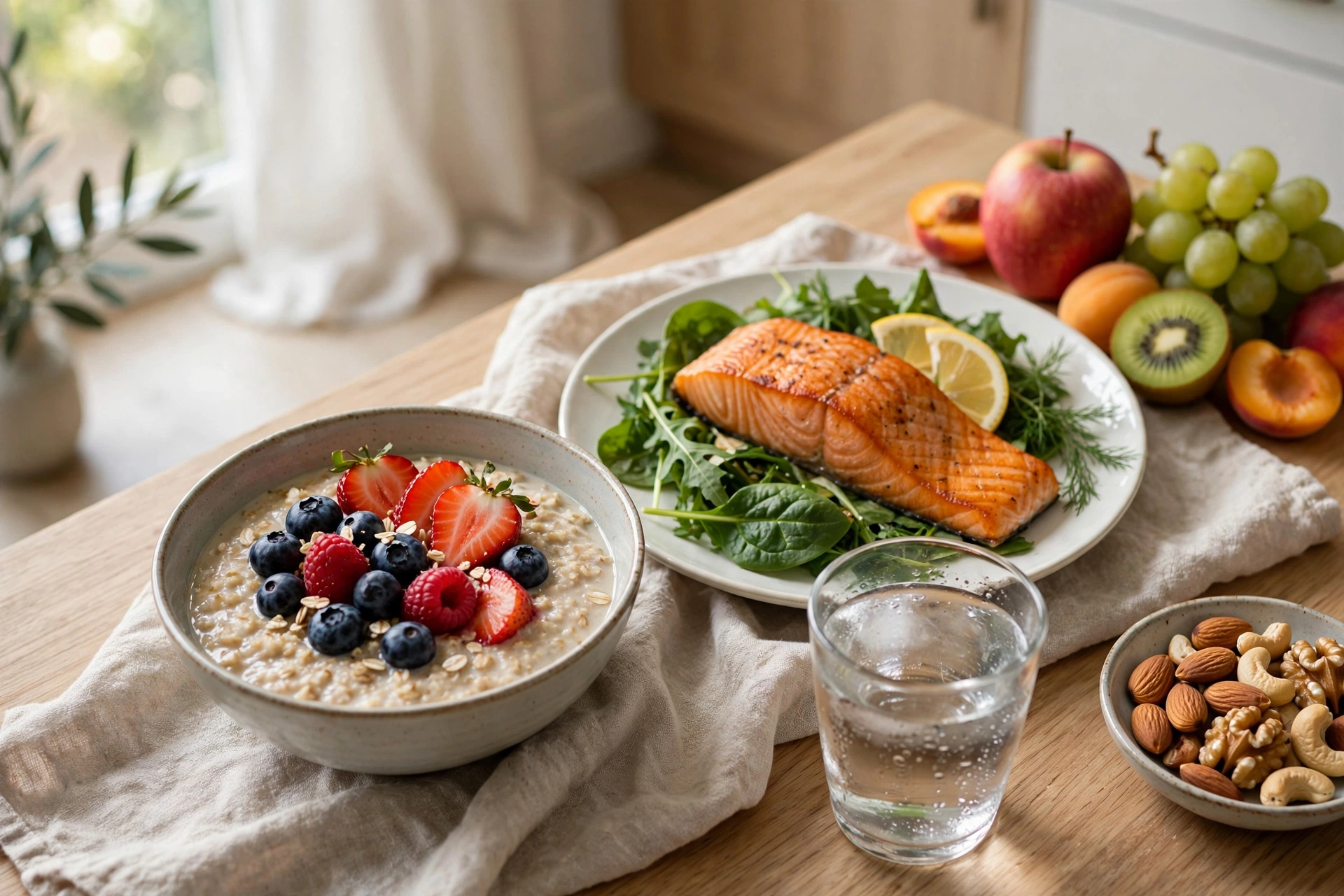
A helpful pattern is to eat regular meals that include foods from the main groups. That means plenty of vegetables and fruit, whole grains, protein foods, and dairy or fortified alternatives. Variety matters more than any single “superfood”, because different foods supply different nutrients.
Protein is important for recovery and for maintaining energy. Good choices include lean meat, poultry, fish, eggs, beans, lentils, tofu, and dairy foods. Whole grains such as oats, brown rice, and wholemeal bread provide steady energy and fibre. Vegetables and fruit add vitamins, minerals, and fibre, and they help meals feel satisfying.
Healthy fats also have a place in a breastfeeding diet. Oily fish, nuts, seeds, olive oil, and avocado are useful sources. These foods add flavour and help meals feel filling. As with all foods, portions matter, but there is no need to fear fat altogether while breastfeeding.
Nutrients that deserve attention
Several nutrients are often highlighted during breastfeeding, including calcium, iron, iodine, vitamin D, and omega-3 fats. Calcium supports bone health, and dairy foods, fortified plant drinks, leafy greens, and almonds can help meet needs. Iron is important after blood loss in childbirth, and meat, beans, lentils, and fortified cereals are useful sources.
Iodine and omega-3 fats are linked to infant development, and oily fish is a useful source of both. Health guidance usually advises limiting certain types of fish because of mercury, so variety and moderation matter. A healthcare professional can advise on whether a supplement is needed, especially for vitamin D, which is hard to get from food alone in many climates.
It is also worth remembering that supplements are not a substitute for food. A multivitamin may be suggested in some cases, but it should not replace a balanced diet. Anyone considering a supplement while breastfeeding should check with a clinician or pharmacist first, because some products are not suitable during this period.
Fluids, hunger, and energy
Breastfeeding mothers often feel thirstier than usual, and drinking to thirst is a sensible guide. Water is the simplest choice, and keeping a drink nearby during feeds can help. There is no need to force large amounts of fluid, and drinking far more than thirst does not reliably increase milk supply.
Hunger also often increases, especially in the early weeks. Eating regular meals and having healthy snacks ready can help avoid long gaps without food. Snacks such as fruit, yoghurt, wholegrain crackers, nuts, or a small sandwich are practical and filling. Preparing snacks in advance can make a real difference on busy days.
Sleep deprivation can make healthy eating harder, and that is normal. When time is short, simple meals are better than skipped meals. Frozen vegetables, tinned beans, eggs, and wholegrain toast can form a balanced meal quickly. Being kind to yourself about food is part of caring for your baby too.
Caffeine, alcohol, and foods to limit
Caffeine passes into breast milk in small amounts, and most guidance allows moderate intake. That usually means a small number of caffeinated drinks per day, but exact limits vary by country and by individual sensitivity. If a baby seems unsettled after caffeine, reducing intake and observing the effect can help. A healthcare professional can advise on a level that suits you.
Alcohol also passes into breast milk, and the safest advice is to limit it and plan feeds around any drinking. Some guidance advises avoiding alcohol, while other guidance allows occasional small amounts with a gap before feeding. If there is any doubt, the safest choice is to avoid alcohol or to seek personal advice. Smoking and recreational drugs should be avoided, and help is available for anyone who needs support to stop.
Some mothers wonder about spicy foods, garlic, or foods that cause wind. Most babies tolerate a varied maternal diet well. If a particular food seems to upset a baby consistently, note the pattern and discuss it with a healthcare professional. Cutting out whole food groups without advice can reduce nutrition for the mother.
What about milk supply?
Many mothers worry about milk supply, and food alone rarely solves a supply concern. Frequent feeding, good positioning and attachment, rest, and support from a breastfeeding adviser or health visitor are usually more important. If supply seems low, or feeding is painful, seek help early rather than relying on foods or supplements marketed for supply.
Some foods and drinks are traditionally said to boost supply, such as oats, fenugreek, or herbal teas. The evidence for these is limited, and some herbal products are not well studied during breastfeeding. It is safer to focus on regular feeding, hydration, and balanced meals, and to ask a healthcare professional before trying a supply-boosting product.
Weight loss while breastfeeding should also be gradual. Rapid dieting can reduce energy and may affect wellbeing. Most guidance advises waiting until breastfeeding is established before trying to lose weight, and then aiming for slow, steady change. A clinician or dietitian can help set a safe plan that protects both mother and baby.
| Food group | Useful choices | Why it helps | Simple tip |
|---|---|---|---|
| Protein | Meat, fish, eggs, beans, lentils, tofu, dairy | Supports recovery and steady energy | Include protein at most meals |
| Whole grains | Oats, brown rice, wholemeal bread | Steady energy and fibre | Choose wholegrain where easy |
| Vegetables and fruit | A colourful variety, fresh or frozen | Vitamins, minerals, and fibre | Aim for variety, not perfection |
| Dairy or alternatives | Milk, yoghurt, cheese, fortified plant drinks | Calcium and protein | Check plant drinks are fortified |
| Healthy fats | Oily fish, nuts, seeds, olive oil, avocado | Omega-3 fats and satiety | Use in moderation as part of meals |
A calm approach to feeding and food
Breastfeeding works best when mothers feel supported, not judged. Family, friends, and health professionals can help by offering meals, encouragement, and practical support. If feeding is difficult, or if eating well feels impossible, that is a reason to ask for help, not a sign of failure.
In short, eat regularly, eat a variety, drink to thirst, and keep caffeine and alcohol limited. Seek advice early for feeding problems, supply worries, or any supplement question. A simple, balanced diet, combined with good support, gives both mother and baby a strong start.
This article is general information only and is not medical advice. Please consult a healthcare professional for personal advice.