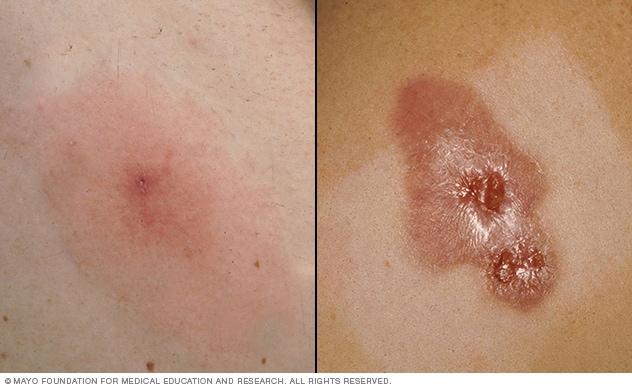
Staph infections are caused by Staphylococcus aureus bacteria and can range from minor skin problems to more serious illness. Recognising the symptoms early helps you get the right care — here is what to look for.
What staph looks like on the skin
- Painful red bumps or boils that may fill with pus.
- Warm, swollen, tender skin (cellulitis).
- Honey-coloured crusting sores (impetigo), common in children.
- A painful red bump on the eyelid (a stye).
When it is more serious
Fever and feeling generally unwell can accompany more serious staph infections.
What to do instead of home remedies
Small, mild infections are usually watched with basic hygiene and warm compresses. Do not squeeze boils or sores — it can spread the infection. Home remedies such as tea tree oil and garlic supplements are not proven treatments for staph.
See a doctor promptly for spreading redness, red streaks, fever, severe pain, rapid worsening, or if you have a weakened immune system. Real treatment may need drainage and/or antibiotics prescribed by a clinician.
This article is general information only and is not medical advice. Please consult a healthcare professional for personal advice.