Table of Contents
Quick Summary / At A Glance
- Loose skin is common after a large or fast weight loss, because skin does not shrink as quickly as the body changes.
- Skin may tighten somewhat over time for some people, especially with time and stable weight, but it may not go away completely.
- No cream, exercise or home remedy can remove loose skin — at most, habits can support skin health and improve how skin looks.
- Strength training, a balanced diet, hydration and patience may help skin’s appearance, but none is a guarantee.
- Surgery is the only option in this article that removes excess skin, and it is a decision to discuss carefully with a doctor.
Why Skin Can Feel Loose After Weight Loss
The skin is the largest organ in the body. It protects against infection, helps regulate body temperature, and stores water, fat and vitamins.
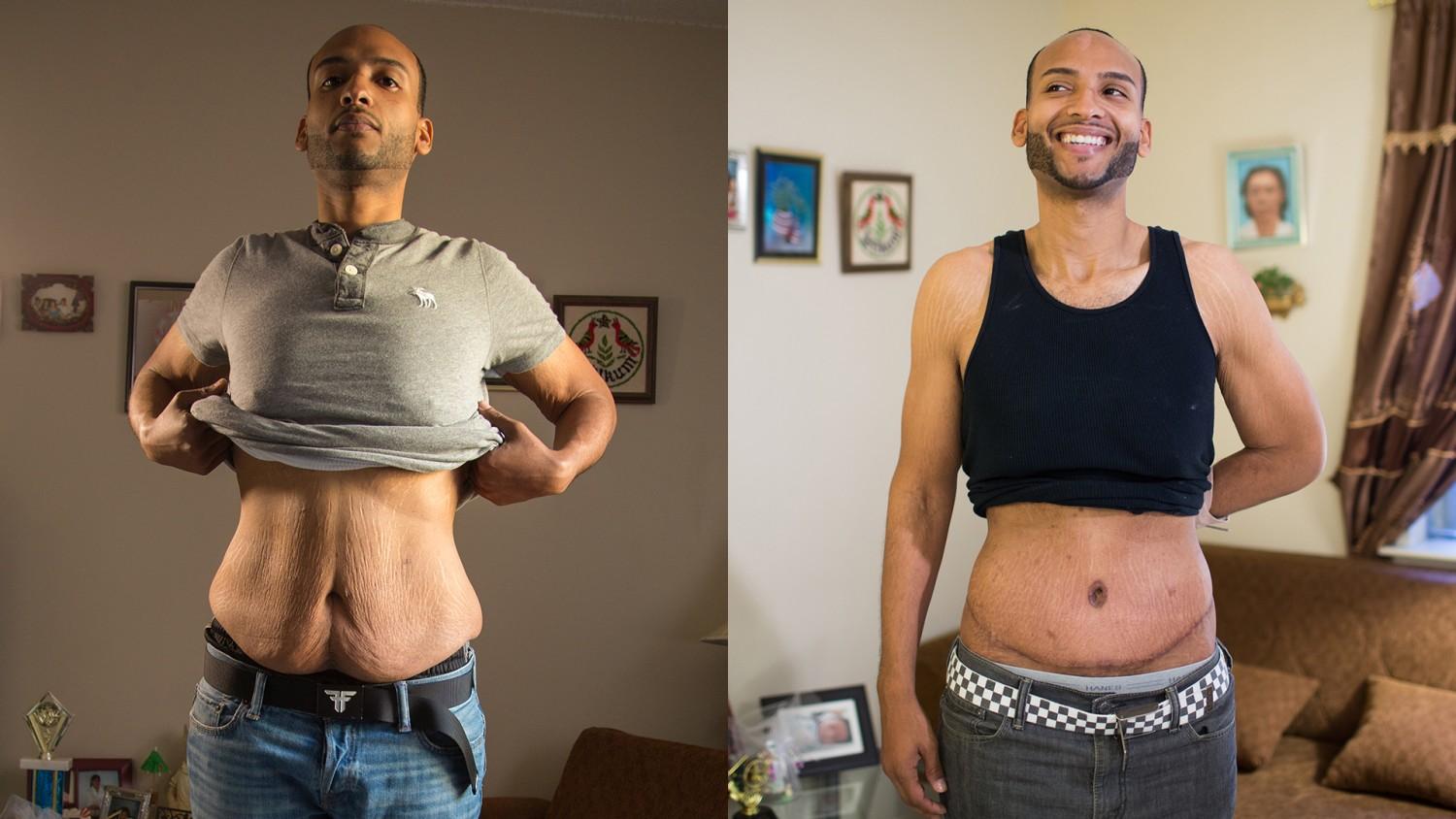
When weight changes, skin stretches and then needs time to adjust as body shape changes. After a large loss, that adjustment can lag behind, leaving skin that feels loose.
Loose skin is a normal response for many people, not a personal failure. It can feel uncomfortable and can affect confidence, and those feelings deserve kindness and support.
Skin contains collagen and elastin, proteins that help keep it firm and elastic. When those proteins reduce, or skin has been stretched for a long time, it may not spring back fully.
What Affects How Much Loose Skin You Have
There is no single answer, because several factors work together. They include age, genetics, overall skin health, and how much weight was lost.
Age matters because skin elasticity tends to reduce over time, so loose skin can be more noticeable over 50. Genetics and earlier skin health also play a part that no routine can change.
Speed matters too: losing weight very quickly gives skin less time to adjust. A slower, steadier loss gives skin more time to adapt.
Not everyone who loses weight has loose skin, and the amount varies widely. Comparing your result with someone else’s story, including stories online, rarely predicts your own outcome.
How Long Does Loose Skin Take to Adjust?
It is hard to give a definite timeline, and no honest timeline fits everyone. Skin often adjusts more slowly than the rest of the body after weight loss.
Some people notice skin feeling a little firmer within weeks, while for others it takes several months or longer. Allow time before judging the result, because change, if it comes, is usually gradual.
Keeping your weight stable while skin adjusts may help you judge what change is lasting. Rapid further loss can make looseness more noticeable, so this article does not encourage rapid weight loss.
Patience helps, but patience alone does not guarantee that skin will tighten. If loose skin remains and troubles you, the sections below outline supportive habits and the one option that can remove excess skin.

Credit: www.nbcnews.com
Why Some People Report Little Loose Skin
You may read stories from people who lost a large amount of weight and report little loose skin. Those stories reflect that person’s age, genetics, skin health, amount lost and speed of loss, and they do not set a standard for anyone else.
The reverse is also true: having loose skin after a smaller loss does not mean you did anything wrong. Skin responses differ, and support and medical advice should be based on your own health and comfort, not on comparisons.
Habits That Support Skin While Weight Is Changing
No habit can remove loose skin, but supportive habits can help skin health and muscle tone. They are worth doing for general health, whatever they do for appearance.
Strength Training and Regular Exercise
When you lose weight, you can lose muscle as well as fat, and losing muscle can make skin look looser. Resistance and strength training help build and maintain muscle, which can give skin a more toned appearance.
Regular exercise also supports circulation and muscle tone under the skin. Build up gradually, and do not overdo it, because doing too much can leave you sore and discouraged.
Eating for Skin Health
A balanced diet gives skin the nutrients it needs to stay healthy. Include plenty of fruits and vegetables, lean protein, whole grains, and healthy fats such as avocados, nuts and seeds.
Protein matters because it supports muscle and skin structure. Antioxidant-rich foods such as leafy greens, berries and citrus fruits, and foods such as bone broth, salmon and seafood, were also mentioned for skin health.
Limiting processed foods and excessive sugar may also help skin look its best. No food, however, can shrink or remove excess skin on its own.
Hydration, Sleep and Stress
Staying hydrated helps skin stay hydrated and may make looseness look less noticeable. Drink water regularly through the day, and take extra care not to become dehydrated.
Enough sleep and managing stress also support healthy-looking skin and general wellbeing. They do not tighten skin directly, but they are part of looking after yourself during a big change.
Creams, Firming Products and Clinic Treatments: Honest Limits
Many creams, gels, oils and lotions claim to tighten loose skin, including products with retinol, vitamin C or hyaluronic acid. Retinoids and other firming products are also widely sold for this purpose.
Use topical products wisely, because not all of them are effective or safe for your skin. Any result is likely to be temporary, and long-term tightening from a cream is unlikely.
Topical products can also cause irritation or other side effects, so stop if your skin reacts badly and get advice. Do research before using a new product, and be wary of products that promise dramatic change.
Radiofrequency, ultrasound and laser therapies are clinic treatments sometimes offered for skin tightening. They are not presented here as able to remove loose skin, so discuss possible benefits and risks with a qualified professional before deciding.
Comparing the Options at a Glance
The table below summarises only what this article itself says about each option.
| Option | What it may do | What it cannot do |
|---|---|---|
| Strength training | Build and maintain muscle and improve toned appearance | Remove excess skin |
| Balanced diet and hydration | Support skin health and elasticity | Shrink or remove loose skin |
| Creams and topical products | May give temporary improvement in appearance | Produce lasting tightening or remove skin |
| Clinic therapies | Offered for skin tightening; discuss benefits and risks first | Guaranteed removal of loose skin |
| Surgery | Removes excess skin, such as a tummy tuck or body lift | A step to take without medical advice and discussion of risks |
| Time and patience | Skin may tighten somewhat for some people | Guarantee skin will go back fully |
Daily Care, Skin Folds and Comfort
Loose skin can rub, and folds can trap moisture, which can leave skin sore. Keeping folds clean and dry, and wearing comfortable clothing that reduces rubbing, can help daily comfort.
Be gentle with sore areas and do not keep using a cream or product that stings or irritates them. Looking after folds is about comfort and skin health, not about making skin disappear.
Surgery: An Option a Doctor Can Discuss
Surgery is different from every other option above because it removes excess skin. Procedures mentioned include a tummy tuck, a body lift and a thigh lift.
Like any surgery, these procedures come with potential risks, and recovery means following post-operative instructions carefully. Costs vary, so only a surgeon assessing your individual case can discuss what it might cost for you.
Choosing surgery is personal, and living with loose skin is also a valid choice. A reputable surgeon or your own doctor can help you weigh appearance, comfort, risks and recovery.
When to See a Doctor Promptly
See a doctor promptly if you have lost weight very rapidly, especially if you feel unwell. Do the same if you develop rashes, soreness or broken skin under skin folds that does not settle.
Also seek support promptly if loose skin is causing you real distress or affecting daily life. You deserve support for how you feel, not dismissal, and a doctor can discuss what help is available.
A Final, Kind Word
Losing weight is an accomplishment, and loose skin does not take away from what you have done. Some skin may tighten somewhat over time, and supportive habits may help how it looks and feels.
If skin does not change as you hoped, that is not a failure by you or your body. Take time, be patient with yourself, and get medical advice when you need it.
This article is general information only and is not medical advice. Please consult a healthcare professional for personal advice.