Table of Contents
Quick Summary / At A Glance
- The original list covers ten masks, from sheet and clay masks to honey and rosewater options for different skin needs.
- Hydrating ingredients mentioned include honey, avocado, aloe vera, glycerin and hyaluronic acid, chosen according to skin type.
- Clay and charcoal masks are presented for oil and impurities, while oatmeal and chamomile suit more sensitive skin.
- Homemade options use foods such as avocado, banana, honey, oats and yogurt, but they are not proven treatments.
- Always patch test first: natural ingredients can still irritate skin or cause allergies, even when they sound gentle.
Dry skin can feel tight and dull, and a moisturising face mask is presented in the original article as an occasional addition to a routine, not a replacement for daily cleansing and moisturising.
This trimmed guide keeps the ten products from the original list, the homemade ideas and the buying checks. Claims have been kept cautious, and first-person recommendations from the original have been removed.
What a Moisturising Mask Can and Cannot Do
A mask sits on the skin for a short time and is then rinsed off or removed, so any effect should be described modestly. The original article focuses on hydration, softness and a fresher appearance, not on treating medical skin conditions.
That distinction matters for natural products too. An ingredient being natural, edible or familiar does not prove that it will treat dryness, acne or wrinkles, and it does not guarantee that it will suit your skin.
The Ten Masks Compared Using Only the Original Details
The table below summarises the products already described in the original article. It adds no prices, ratings or new claims.
| Mask | Main format or ingredient noted | Point made in the original |
|---|---|---|
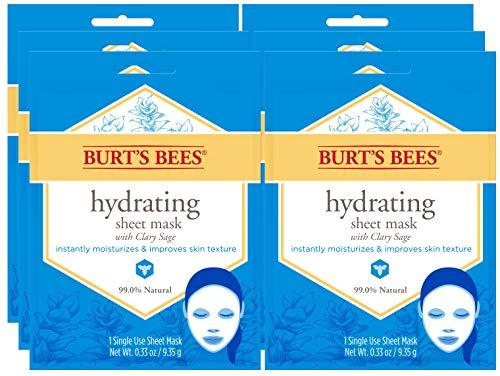
| Burt’s Bees Face Masks | Hydrating mask | Presented for hydration and a refreshed, radiant appearance |
| Andalou Naturals 1000 Roses Rosewater | Rosewater, aloe vera and glycerin | To soothe and hydrate; used for 10 to 15 minutes |
| GLAM UP Sheet Mask 12 Combo | Sheet masks | Easy home use; to hydrate and nourish skin |
| Viva Naturals Charcoal Face Mask Set | Charcoal, 8 pack | To help remove dirt, oil and impurities |
| Glam Up Moisturizing Avocado Clay Mask | Avocado clay, vegan | Avocado for moisture, clay to tighten and tone |
| Rael Bamboo Face Sheet Mask | Bamboo extract sheet | Presented to soothe, protect and hydrate |
| FARMSKIN Facial Sheet Mask | Organic sheet, 12 pieces, aloe vera and chamomile | Gentle organic cotton; to hydrate and nourish |
| Farmacy Honey Potion Plus | Honey, antioxidant-rich | Presented as nourishing and hydrating, including for dry, sensitive skin |
| Celavi Essence Facial Face Mask | Paper sheet masks | Easy to apply and remove; leaves skin refreshed and hydrated |
| Wolf Project Men’s Moisturizing Face Mask Sheets | Charcoal sheets with hyaluronic acid and glycerin | To remove impurities and lock in moisture |
Hydrating, Honey and Rosewater Masks
Burt’s Bees is listed first in the original article as a hydrating facial mask made with natural ingredients. It is presented as a relaxing option that may help skin feel hydrated and look more refreshed.
Andalou Naturals 1000 Roses Rosewater is described with rosewater, aloe vera and glycerin, and with antioxidants and vitamins A, C and E. The original directions leave it on for 10 to 15 minutes, rinse with warm water, and suggest weekly use.
Farmacy Honey Potion Plus is presented for dry, sensitive skin, with a honey base described as nourishing and hydrating. Honey is also described in the original as having natural antibacterial properties, but that does not make a honey mask a treatment for infection or acne.
Sheet Masks: GLAM UP, Rael, FARMSKIN and Celavi
Sheet masks dominate the original list. GLAM UP’s 12-piece combo is described as easy to use at home and as hydrating and nourishing, while Celavi’s paper sheet masks are described as easy to apply and remove.
Rael’s mask uses bamboo extract, which the original says helps to soothe and protect the skin while other ingredients hydrate. FARMSKIN’s organic sheet masks, in a pack of 12, contain aloe vera and chamomile and use organic cotton, described as gentle on the skin.
Several original entries claim that sheet masks minimise pores or reduce wrinkles. Those claims have not been repeated as facts here, because a temporary hydrated feeling is not the same as a lasting change to pores or lines.
Charcoal and Clay Masks for Oil and Impurities
Viva Naturals Charcoal Face Mask Set, in a pack of eight, is described as helping to remove dirt, oil and impurities and to exfoliate. The original also links charcoal with drawing out unwanted materials, a claim to treat cautiously rather than as proof of detoxifying skin.
Glam Up’s avocado clay mask pairs avocado, presented as providing moisture, with clay, presented as tightening and toning, and is described as vegan and cruelty-free. Wolf Project’s men’s charcoal sheets add hyaluronic acid and glycerin, described as working to lock in moisture.
The original FAQ suggests clay for oily skin because it absorbs excess oil and helps to unclog pores. If your skin is dry or sensitive, that same absorbing quality is a reason to use clay sparingly and to stop if it stings or leaves skin uncomfortable.
Choosing Ingredients by Skin Type
For dry skin, the original points to honey and avocado and calls them natural humectants that help draw moisture into the skin. Aloe vera, glycerin and hyaluronic acid also appear in the product descriptions as hydrating ingredients.
For oily or acne-prone skin, the original favours clay for absorbing oil. For sensitive skin, it points to soothing ingredients such as chamomile or lavender, and to oatmeal or chamomile in a gentle mask.
Check the full ingredient list before you buy, even for a product described as natural or organic. That check matters if you avoid animal products, fragrances or a specific plant ingredient, and it is the only reliable way to know what is actually in a particular version of a mask.
For ageing skin, the original notes that skin becomes thinner and less elastic and that sunlight can make wrinkles more pronounced. It lists avocado for vitamins A, D and E, honey, and yogurt for lactic acid, which helps to exfoliate dead skin cells.
Homemade Masks: Simple Ideas From the Original FAQ
Homemade options in the original include avocado, banana, honey, aloe vera gel or juice, oats, yogurt or buttermilk, coconut oil or milk, and rose water or other floral waters. They can be combined in different ways, using fresh ingredients.
Two examples are given: mash half an avocado and apply it to clean, dry skin for about 20 minutes before rinsing with warm water, or combine mashed banana, honey and yogurt into a thick paste and leave it on for 20 minutes. Apply any mask evenly, and rinse it off with warm water.
Treat these as cosmetic, homemade ideas, not as proven treatments for dryness, acne or ageing. Food ingredients can still irritate skin or trigger allergies, so patch test a small area first, avoid anything you know you react to, and do not use a homemade mask on broken or infected skin.
How to Use a Mask Sensibly
Start with clean, dry skin, as the original advises for hydrating masks, and leave the mask on for at least 15 minutes unless the product directions say otherwise. The rosewater mask above is left on for 10 to 15 minutes, while the homemade examples are left on for about 20 minutes.
For ageing skin, the original suggests applying a mask once or twice a week as needed and following it with a light moisturiser to lock in hydration. More frequent use is not presented as better, and skin that becomes red, itchy or sore needs a break, not another mask.
Buying Guide: Four Checks From the Original Article
Read customer reviews and ratings to see what other buyers thought and whether a product may suit you. Compare prices from different shops and marketplaces before buying, and read reviews of the mask itself as a check on quality.
Research the customer support offered by the shop or marketplace, so you know where to go with questions or concerns. Research the brand’s reputation too, so you are buying from a company that stands behind its products.
Safety Notes, Conclusion and Disclaimer
There is no single best mask in this list for everyone. The better choice depends on whether your skin is dry, oily, sensitive or ageing, on the ingredients you tolerate, and on whether you prefer a sheet, clay, honey or homemade mask.
Patch test any new mask first, follow its own directions, and stop using it if it causes burning, itching or a rash. Seek professional advice for persistent dryness, suspected infection, a spreading rash or skin changes that do not settle, rather than masking over them.
Use sun protection during the day, especially after exfoliating masks.
This article is general information only and is not medical advice. Please consult a healthcare professional for personal advice.