Table of Contents
Quick Summary / At A Glance
- Hair-removal sprays are depilatories: they loosen or dissolve hair so it can be wiped away, without a razor or waxing.
- Safety first: always do a patch test first, never leave the spray on longer than the time stated on its packaging, and never use it on broken or irritated skin — chemical burns are possible.
- Veet is used in this article as a factual example of this type of spray, not as a recommendation to buy it.
- Possible reactions include redness, burning or stinging, itching, swelling, hives and, in severe cases, blistering — stop use if irritation occurs.
- Other options described in the original article include waxing, shaving and laser hair removal, each with different effort, results and cautions.
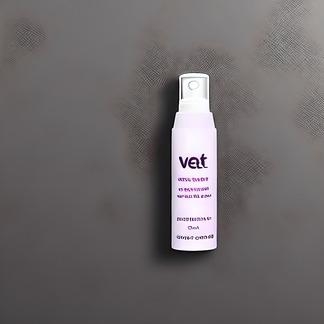
This article explains hair-removal sprays in general terms, using Veet Hair Removal Spray as an example. It covers how depilatory sprays work, how the original article described using one, who they may suit, and the risks to weigh up first.
It is general information only, not a product recommendation. Always follow the instructions on the packaging of the specific product you have, because formulations and directions vary.
How Depilatory Sprays Work
Depilatory creams and sprays work on the hair itself, rather than pulling it out. In the original article’s description, the spray is applied directly to the skin and its active ingredients penetrate and loosen the hair strands, so the hair can be removed with a gentle wiping motion.
The original article also described a creamy residue left on the skin as the spray evaporated, and natural oils in the formula helping to condition the skin. Results and how long smoothness lasts vary, and claims about duration differed in the original article, so do not rely on a set number of days or weeks.
That wiping-away method is different from waxing, which pulls hair from the root, and from shaving, which cuts hair at the surface. Those differences help explain why the feel, regrowth and irritation risks are not the same for each method.
What the Original Article Said About Ingredients
Formulations differ between products, so the ingredient list on your own packaging is the one that matters. Ingredients mentioned in the original article included aloe vera, vitamin E and chamomile, described as soothing or moisturising, and propylene glycol, described as helping the product adhere to the skin.
Other sections of the original article also mentioned lactic acid, papaya extract and natural oils. Because the lists were not consistent, treat them as examples of ingredients discussed, not as a confirmed formula for every Veet spray.
Who a Hair-Removal Spray May Suit — and Who Should Be Careful
A spray may suit someone who wants a method that does not involve razor blades or waxing, and who can follow the timing and patch-test steps carefully. The original article described the spray as quick and easy to apply at home, and as an option for areas such as the legs and arms.
Be extra careful if you have sensitive skin or a history of allergies. The original article described the spray as hypoallergenic and dermatologically tested and as suitable for sensitive skin, but it also warned repeatedly that sensitive skin can react, so that claim is not a guarantee for any individual.
Do not use a depilatory spray on broken, irritated or inflamed skin. If your skin becomes red, itchy or inflamed during a patch test, the original article’s advice was not to use the product.
The original article listed legs, arms, bikini area and face among areas discussed, but area suitability depends on the specific product’s own directions. If a product’s packaging does not list an area, do not assume the spray is suitable for it.
How the Original Article Described Using It, Step by Step
Preparing the Area
Start with clean, dry skin, free from creams, oils, lotions or deodorant. The original article suggested gently exfoliating first with a loofah or scrub, rinsing with warm water and patting dry, and trimming hair that is excessively long.
Applying the Spray and Timing
Hold the bottle about five inches away, spray in a sweeping motion and keep the bottle at the same distance so the area is evenly coated. Then leave it on only for the time stated on the packaging — the original article described a few minutes — and never exceed that stated leave-on time.
Avoid inhaling the spray, and keep it away from your eyes at all costs. If you are using it near a sensitive area, take the precautions described in the original article, such as shielding the eyes, and stop if you feel strong burning.
Removing Residue and Aftercare
Remove residue gently with a damp cloth, cotton ball or pad, using a circular motion and taking care not to irritate the skin. Rinse thoroughly with lukewarm water afterwards, pat dry with a clean towel, and check the skin for redness or irritation.
The original article advised waiting at least 24 hours before showering or swimming after application for best results. If any irritation appears after use, discontinue use, as the article advised for residue removal and for irritation in general.
Risks, Side Effects and When to Get Medical Care
Reactions can range from mild to severe. The original article listed skin irritation as a burning or stinging sensation or a rash, redness that can be light pink or deep red and inflamed, swelling, itching and hives.
In severe cases, the article described pain, blistering or oozing, and swelling of the face, lips or tongue. A burn, blistering or a severe reaction needs prompt medical care — do not wait to see if it settles on its own.
Symptoms such as throat or tongue swelling or difficulty breathing need emergency medical attention right away, as the original article warned. For irritation that persists after you stop using the product, the article advised consulting a doctor.
Patch Testing: the Step Not to Skip
Always do a patch test before full use, on a small, clean and dry area of skin, and wait 24 hours as the original article described. Apply a small amount, then inspect the area closely for redness, swelling, itching or other irritation after that time.
If there is any reaction, do not use the product, and consult a healthcare professional if you need advice, as the article advised. Keep the product away from your eyes during the test as well, and avoid inhaling it.
Comparing Hair-Removal Methods Named in the Original Article
The table below uses only points made in the original article. It is a comparison of methods, not a recommendation of any one of them.
| Method | How it removes hair | Notes from the original article |
|---|---|---|
| Depilatory spray (Veet as example) | Loosens or dissolves hair so it can be wiped away | No razor or waxing involved; patch test and strict timing are essential; irritation and chemical burns are possible |
| Waxing | Heated wax softens hair and removes multiple hairs at once, from the root | Article said skin can stay smooth for weeks, a session generally takes about 30 minutes, and a cold cloth can reduce redness afterwards |
| Shaving | A manual or electric razor cuts hair at the skin surface | Article said it is quick and inexpensive, does not last as long as waxing, and dull blades can cause irritation; use a sharp blade and shaving cream or gel with a manual razor |
| Laser hair removal | Low levels of laser light target and destroy hair follicles | Article described sessions lasting a few minutes, usually in a series of six to eight, with slight reddening possible and long-lasting reduction after a series |
Common Questions From the Original Article
How long does it last, and can it be used on the face?
The original article gave different answers about duration in different sections, so no single lasting time can be stated reliably here. On the face, its answers also differed: only use a depilatory product on the face if that specific product is labelled for facial use, never on the eyebrows, and never over the eyes or lips.
What about sensitive skin and allergies?
Patch test first, follow the instructions, and discontinue use if any reaction occurs — that advice ran through the original article. People with known allergies should check the ingredient list on their own product carefully before any use.
The Bottom Line on Hair-Removal Sprays
A depilatory spray can be a convenient, blade-free way to remove hair for some people, if it is patch tested, timed exactly as directed and kept off broken skin and away from the eyes. It can also irritate or burn the skin, cause an allergic reaction, and it will not suit everyone, however gentle a formula is described as being.
This article is general information only and is not medical advice. Please consult a healthcare professional for personal advice.