Table of Contents
Quick Summary / At A Glance
- Silky hair is smooth, glossy and tangle-free because the cuticle layer lies flat; genetics set your starting point, but daily care decides how smooth your hair can be.
- Hair is fed from within: protein provides keratin, and vitamins A, C and E, biotin and zinc support healthy hair.
- A gentle routine works best: a moisturising, sulfate-free shampoo and conditioner, a weekly deep-conditioning treatment and trims every 6 to 8 weeks.
- Heat is the biggest styling risk, so use a protectant, keep dryer and tool heat moderate, and finish with cool air.
- Protect hair from sun, pollution and chlorine or saltwater, and reduce friction at night with a silk or satin pillowcase.
Silky hair feels soft and smooth, looks glossy and moves without tangling or frizz. It is not only about looks: smooth hair is usually a sign that the hair is in good condition.
This guide covers what makes hair silky, the foods that support it, a step-by-step routine, styling and protection tips, and simple treatments you can do at home.
What Makes Hair Silky: Genetics and the Cuticle
Genes have a lot to do with how your hair feels. Some people are born with hair that is naturally smooth because of the follicles they inherit, while others have to work harder for the same finish.
The structure of the hair matters just as much, especially the cuticle layer. In silky hair the cuticle lies flat, so light bounces off the smooth surface and the hair shines.
In rougher hair the cuticle is raised or damaged, which makes hair look dull and feel coarse. Looking after the cuticle is therefore central to getting and keeping silky hair, whatever your natural hair texture.
Eating for Silky Hair
What you eat matters as much as what you put on your hair. Protein is essential, because keratin, the main component of hair, cannot be made without it; lean meats, fish, eggs and beans are all good sources.
Complex carbohydrates from whole foods and fruits give the body energy it needs. Alongside these, several vitamins and minerals play a part:
| Micronutrient | Food Sources |
|---|---|
| Vitamin A | Carrots, sweet potatoes, spinach, kale |
| Vitamin C | Citrus fruits, strawberries, bell peppers |
| Vitamin E | Almonds, sunflower seeds, spinach |
| Biotin | Eggs, salmon, nuts |
| Zinc | Oysters, beef, pumpkin seeds |
Certain foods and supplements can add a further boost. Fatty fish such as salmon and mackerel are rich in omega-3 fatty acids that nourish the scalp, and chia seeds and flaxseeds provide omega-3 fatty acids, antioxidants and protein.
Green tea, biotin supplements and vitamin E oil, applied to the hair and scalp, are also used for this purpose. For more ideas, see these tips for healthy hair growth.
A Step-by-Step Routine for Smooth Hair
Start with the right shampoo and conditioner, and choose hair care products that are moisturising and free from sulfates. Ingredients such as argan oil, coconut oil and shea butter hydrate deeply and help seal the cuticle.
Trimming matters too. Regular trims remove split ends and stop them travelling up the hair shaft, so make it a habit to trim your hair every 6 to 8 weeks.
Four products and treatments do most of the work:
| Product/Treatment | Benefits |
|---|---|
| Deep Conditioning Mask | Provides intense hydration, repairs damage, and restores shine. |
| Leave-in Conditioner | Provides on-going moisture and protection, reduces frizz, and enhances silkiness. |
| Nourishing Hair Oil | Seals in moisture, smoothens the hair cuticle, and adds shine. |
| Hair Serums | Helps to control frizz, adds shine, and protects against heat damage. |
Keratin treatments and hair masks can be added to this routine for extra smoothness.
Styling Techniques That Protect Smoothness
Blow-drying can make or break smoothness. Follow these steps:
- Start by towel-drying your hair gently to remove excess moisture.
- Apply a heat protectant spray to shield your hair from potential damage.
- Divide your hair into sections for more manageable drying.
- Use a round brush to gently pull the hair taut while blow-drying, which also helps add volume.
- Maintain a moderate heat setting on your hairdryer to prevent overheating.
- Finish with a blast of cool air to seal the cuticles and add extra shine.
Heat tools need care as well: curling irons and straighteners used at high heat for long periods cause dryness, frizz and loss of smoothness, and hot rollers left on too long can do the same. Always use a heat protectant and keep heat as low as you can.
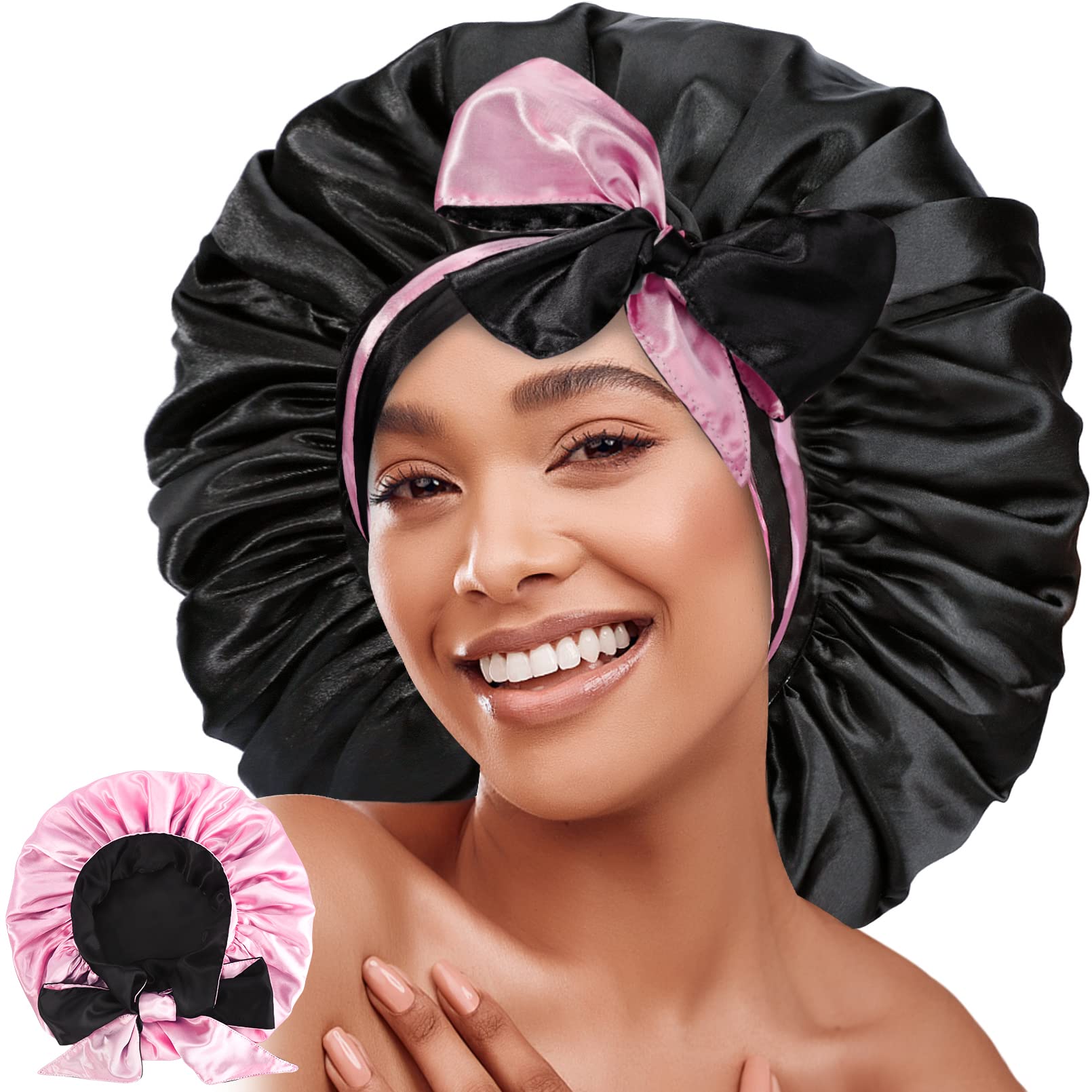
Protective styles reduce daily wear and tear. Braids shield hair from external factors, low buns prevent friction, twists and updos protect the lengths, and a silk scarf or bonnet worn in bed helps retain moisture.
Daily Habits: Hydration, Sleep and Stress
Hydration affects hair texture as well as general health. Drink enough water every day, go easy on caffeine and alcohol, which can dehydrate the body, use hydrating products with aloe vera, shea butter or coconut oil, and eat water-rich foods such as cucumbers, watermelon and oranges.
Sleep matters too: aim for 7 to 9 hours of quality sleep a night, and keep to a consistent schedule. A silk or satin pillowcase minimises friction and reduces breakage, and avoid tying hair tightly before bed, as this can strain the follicles.
Stress can take a toll on hair, leading to hair loss, dullness and breakage. Regular exercise, relaxation techniques such as deep breathing, meditation or yoga, and regular self-care all help, and if stress becomes overwhelming, seek support from loved ones or consider professional help.
Tackling Frizz, Dryness and Dandruff
For frizz and flyaways, use a moisturising shampoo and conditioner made to tame unruly hair. When styling, smooth a small amount of a lightweight anti-frizz cream through your palms and over the hair, and avoid using too much heat, which dries hair out and makes frizz worse.
Dry, damaged hair feels brittle, looks dull and breaks easily. Add a hydrating mask to your weekly routine, choosing ingredients such as coconut oil that can penetrate the hair shaft and deeply moisturise it, applied to clean, damp hair. Avoid over-washing and very hot water, and finish with a leave-in conditioner or hair oil for protection.
For dandruff, start with a shampoo made for the purpose, such as one with tea tree oil or salicylic acid. Brush gently and exfoliate the scalp to help keep it healthy, and avoid products with harsh chemicals and sulfates.
Salon Treatments and At-Home Remedies
Salon treatments can give smoothness a head start: a professional deep conditioning treatment cleanses the hair thoroughly before applying intensive nourishment. Keratin treatments are popular for their long-lasting smoothing effect.
To keep up the results, hairstylists recommend leave-in conditioners and serums as part of your daily routine. They also advise combs and brushes with soft bristles and wide teeth, which are gentle on the hair.
At home, homemade masks are a simple option. The article’s three combinations are:
| Ingredients | Benefits |
|---|---|
| Egg, Olive Oil, and Honey | The protein in eggs strengthens hair while olive oil and honey moisturize and add shine. |
| Avocado, Banana, and Coconut Milk | Avocado and banana nourish hair while coconut milk adds luster and softness. |
| Yogurt and Lemon Juice | The acidity of lemon juice helps remove buildup, and yogurt adds moisture and smoothness. |
Simple rinses can help too: an aloe vera rinse soothes the scalp and adds shine, a green tea rinse helps strengthen hair, and a rosewater spray hydrates and refreshes. Argan oil, rich in vitamins and antioxidants, deeply hydrates and tames frizz.
Protecting Hair from Sun, Pollution and Swimming
The sun’s rays can make hair lose its natural shine and smoothness. Wear a wide-brimmed hat or scarf in direct sunlight, apply a leave-in conditioner or serum with UV protection before going out, avoid heat-styling tools during peak sun hours, and rinse with cool water after swimming.
Pollution also builds up and dulls hair. Wash regularly with a gentle shampoo, avoid heavy styling products, which can trap pollutants, use a clarifying treatment or mask once a week, and protect hair with a lightweight leave-in conditioner.
Before swimming, rinse your hair thoroughly with clean water and apply a leave-in conditioner or hair oil to create a protective barrier, and wear a swim cap to minimise contact. Afterwards, rinse with cool water and wash gently with a sulfate-free shampoo and conditioner.
Keeping Hair Silky in the Long Term
A regular routine keeps hair smooth: wash with a gentle, sulfate-free shampoo, follow with a nourishing conditioner, and deep condition once a week. Whatever your hair type — straight, wavy, curly or coily — working with your natural texture gives the most lasting smoothness.
- Trim regularly: schedule trims every 6 to 8 weeks to remove split ends.
- Detangle gently: use a wide-toothed comb or detangling brush on wet hair to prevent breakage.
- Minimise heat: limit heat styling, and protect hair at night with a satin or silk scarf or pillowcase.
- Choose gentle tools: a boar bristle brush distributes natural oils, and silk or satin scrunchies are kinder than elastic bands.
Conclusion
Silky hair comes from steady habits rather than a single product: eat well, wash and condition gently, use as little heat as you can, and protect hair from sun, pollution and friction. Kept up over time, these steps keep hair smooth, shiny and healthy-looking.
This article is general information only and is not medical advice. Please consult a healthcare professional for personal advice.