Table of Contents
Quick Summary / At A Glance
- Choose a thick cream or ointment rather than a thin lotion: richer textures seal moisture into dry skin more effectively.
- Look for hydrating ingredients such as hyaluronic acid, glycerin, ceramides, niacinamide and shea butter.
- Pick fragrance-free, non-comedogenic formulas, and avoid alcohol-based products that can dry the skin further.
- Apply moisturiser to slightly damp skin after cleansing, and wear sunscreen during the day.
- See a dermatologist if dryness is severe, cracked or does not improve, as it can signal eczema or another skin condition.
Finding the right moisturiser for dry skin can feel overwhelming. Shelves are full of creams, lotions and ointments, each promising relief, and it is hard to know which claims to trust.
Dry skin needs products that both add water and seal it in. Thicker formulas generally do this better than thin ones. This guide explains what to look for, which ingredients matter, and the main types of moisturisers worth knowing about, from winter creams to SPF formulas.
Dermatologist reviews of moisturisers
What makes skin dry in the first place
Dry skin has many triggers. Genetics play a role: some people simply produce less of the oils that keep skin supple. Climate matters too. Cold air, wind and indoor heating all pull moisture from the skin, which is why dryness often gets worse in winter.
Daily habits contribute as well. Long, hot showers, harsh cleansers and skipping moisturiser leave the skin’s barrier weakened. And with age, skin naturally becomes drier, thinner and less elastic. Knowing your triggers makes it easier to choose, and stick with, the right moisturiser.
Cream, lotion or ointment: which is best?
Lotions are light and watery. They feel pleasant going on, but they often do not give very dry skin enough lasting moisture. Creams are thicker and richer, while ointments are the thickest of all and seal in moisture most effectively.
For dry skin, a cream or ointment is usually the better choice. Oil-based formulas help seal in moisture and stop the skin losing its natural oils. Useful ingredients to look for on the label include petroleum jelly, glycerin and mineral oil.
Ingredients that help dry skin
You do not need to memorise chemistry to choose well. These are the ingredients worth looking for, and what each one does:
| Ingredient | What it does |
|---|---|
| Hyaluronic acid | Draws water into the skin; it can hold up to 1,000 times its weight in water |
| Glycerin | A humectant that attracts moisture to the skin and helps lock it in |
| Ceramides | Help restore the skin’s natural protective barrier |
| Niacinamide (vitamin B3) | Helps calm the look of redness and supports the skin barrier |
| Shea butter | A rich plant butter that nourishes dry skin |
| Urea | Attracts and retains moisture in dry skin |
| Colloidal oatmeal | Helps soothe dry, sensitive skin |
| Petroleum jelly and mineral oil | Seal moisture into the skin and slow water loss |
What to avoid
Avoid products containing alcohol, strong fragrance or other harsh chemicals. These can strip moisture and leave dry skin feeling tighter than before. Where possible, choose products described as hypoallergenic and non-irritating.
“Non-comedogenic” means a product is less likely to clog pores. If you are prone to breakouts, this label is worth looking for when you compare moisturisers.
How to read the label
Marketing phrases such as “dermatologist recommended” or “natural” are not guarantees of quality. The ingredients list tells you far more. Look for the hydrating ingredients in the table above near the top of the list, and check for fragrance and alcohol if your skin is sensitive.
Price is not a reliable guide either. Some of the most consistently praised moisturisers for dry skin are inexpensive pharmacy creams. What matters most is the formula, and whether you use it every day.
Choosing a moisturiser for your needs
There is no single “number 1” moisturiser, since different people have different skin types and preferences. The best choice depends on what bothers you most. Reading independent reviews before you buy can also help, since marketing does not always match real-world results. The sections below summarise the main needs, with examples of the kinds of products covered in this guide.
For very dry skin
Look for hyaluronic acid, niacinamide and glycerin high on the ingredients list. These draw in and hold moisture. If your skin reacts easily, patch test a new product on a small area of your arm before using it on your face.
For dry, sensitive skin
Choose fragrance-free formulas with gentle hydrating ingredients such as hyaluronic acid, shea butter, glycerin or niacinamide. A non-comedogenic product is less likely to cause breakouts, and an SPF of 30 or higher is sensible for daytime use.
For winter dryness
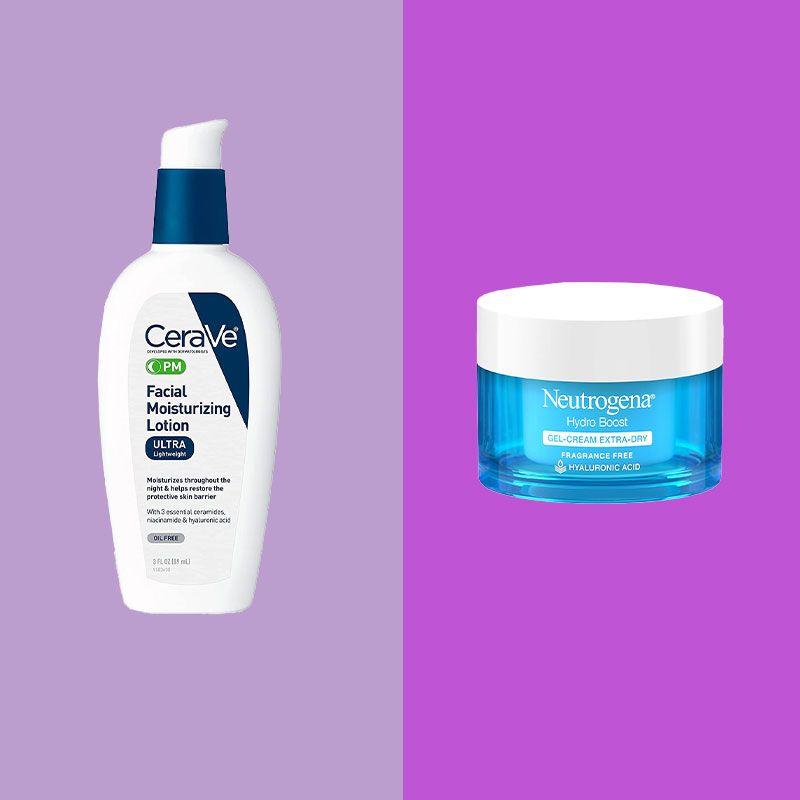
Cold air and indoor heating strip moisture from the skin, so winter calls for richer formulas. Widely available options include CeraVe Moisturizing Cream, which contains ceramides and hyaluronic acid, and Eucerin Dry Skin Relief Face Cream with urea. Rich whipped creams based on natural oils and butters are another option for very dry winter skin, and a richer overnight cream can give extra hydration while you sleep.
Moisturisers with SPF
Sun protection matters all year round, not just in summer. A moisturiser with built-in SPF simplifies the morning routine. Examples include CeraVe Daily Moisturizing Lotion with SPF 30 and La Roche-Posay Toleriane Double Repair Face Moisturizer UV with SPF 50.
For the body
Body skin dries out too, especially in winter. Use a thick, creamy moisturiser rather than a thin lotion, and avoid products containing alcohol. For very dry patches such as elbows and knees, a thicker ointment applied at night works well.
For men
Men’s skin benefits from moisturiser just as much, particularly after shaving, which can strip the skin of its natural oils. Cleanse gently, then apply a heavier moisturiser morning and night, with sunscreen during the day.
For dry, ageing skin
With age, skin becomes drier, thinner and less elastic, and sun exposure, smoking and poor diet can speed these changes. Moisturisers with hyaluronic acid or glycerin help attract moisture, and some people add a facial oil or serum to seal it in.
How to apply moisturiser for best results
Apply moisturiser to slightly damp skin, ideally straight after cleansing. This helps trap water in the skin. Wash with lukewarm water rather than hot water, which is drying.
In the morning, finish with sunscreen. Consistency matters more than any single product: moisturising every day does more for dry skin than an expensive cream used only occasionally.
If your skin still feels tight after moisturising, you may need a richer formula, or your water may be too hot. Change one thing at a time so you can tell what actually helps.
When to see a dermatologist
Most dry skin improves with a good moisturiser and gentle care. See a dermatologist if dryness is severe, cracked or bleeding, or if it does not improve after a few weeks of consistent care.
Dryness can sometimes be a sign of eczema, psoriasis or another skin condition that needs medical treatment. Get professional advice before starting any new treatment if you already have a diagnosed skin condition.

Credit: www.byrdie.com
Frequently asked questions
What is the best moisturiser for dry skin?
There is no single best product. Choose one that matches your skin type, contains hydrating ingredients such as hyaluronic acid or glycerin, and feels comfortable on your skin. Reading the label and checking reviews helps narrow it down.
What is the most effective moisturiser?
Effectiveness depends on fit, not fame. Start with your skin type: dry skin needs richer formulas, while oilier skin needs lighter ones. Then weigh the ingredients. Some people prefer plant-based formulas, others are happy with lab-made ones, and many products combine both. Shop around and read reviews, since the best product is the one you will actually use every day.
What do dermatologists usually recommend?
Dermatologists often recommend moisturisers containing hyaluronic acid. It occurs naturally in the body and helps keep the skin hydrated by holding water in the tissue.
Should I use a serum as well as a moisturiser?
A hydrating serum can add extra moisture underneath a moisturiser. But a serum alone is rarely enough for dry skin: the moisturiser applied on top is what seals the hydration in.
The right moisturiser will not transform your skin overnight. But a well-chosen cream, used daily, can leave dry skin feeling noticeably softer and more comfortable within a few weeks.
This article is general information only and is not medical advice. Please consult a healthcare professional for personal advice.