Table of Contents
Quick Summary / At A Glance
- Vitamin C serum is an antioxidant serum that the original describes as helping to support collagen and to brighten the look of skin.
- Changes are not instant or guaranteed: the original stresses consistency and regular use, and said effects can be seen in a few weeks.
- Use it in the morning after cleansing, applying a few drops with clean hands, and then moisturise; use sun protection alongside it during the day.
- Some people notice tingling or redness at first, so patch test first, start gently, and do not push through persistent irritation.
- Be cautious about mixing vitamin C with strong actives such as retinol, because different forms can react differently and layering everything at once can irritate skin.
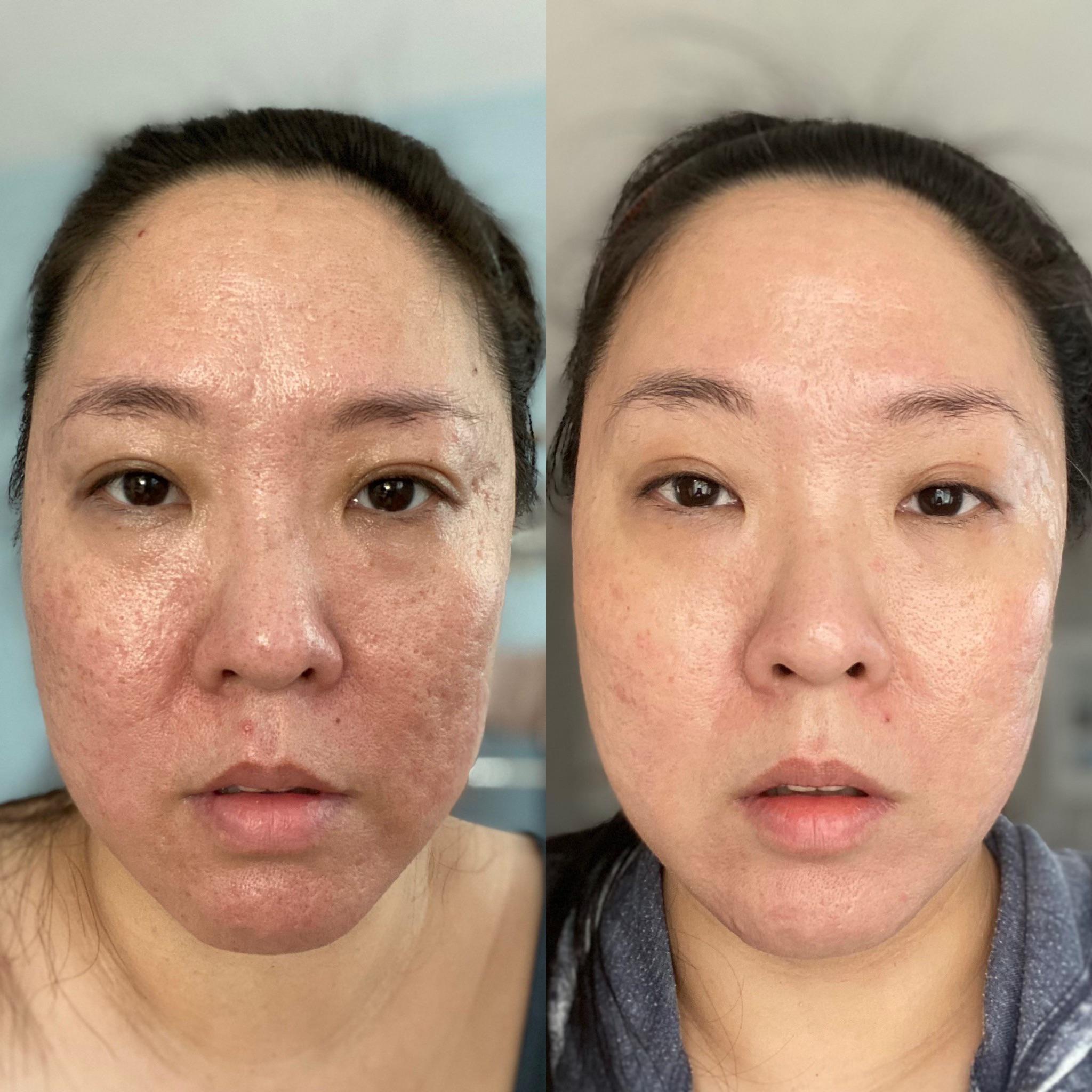
Before-and-after framing can make a serum sound as if it promises a transformation. This article takes a more honest approach, keeping what the original said about vitamin C serum while removing guaranteed results and photo-result promises.
No serum can promise the same change for every face. What follows is general information about the benefits the original described, how it said to apply the serum, realistic timing, and the safety points that matter most.
What Vitamin C Serum Is Described as Doing
Vitamin C is described in the original as a strong antioxidant. Antioxidants help fight free radicals, which the original links to pollution, UV light and everyday environmental exposure.
The original also says vitamin C helps the body make collagen, which is important for keeping skin flexible. It links that collagen support with helping skin look firmer and with the appearance of fine lines and wrinkles.
For appearance, the original describes vitamin C serum as making skin look brighter and more even in tone. It also says it can help reduce the look of dark spots and dullness, and can help skin retain moisture.
Those claims are kept at that strength here, and no stronger. Helping skin look brighter is not the same as removing a skin problem, and supporting collagen is not a promise to turn back ageing.
At a Glance: Claimed Benefits and an Honest Reading
| Topic | What the original describes | Honest reading |
|---|---|---|
| Antioxidant action | Helps fight free radicals linked to pollution and UV light | A supporting part of a routine, alongside sun protection |
| Collagen | Helps the body make collagen, important for flexible skin | Support, not a guarantee of firmer or younger-looking skin |
| Brightness and dark spots | Can brighten skin and help reduce the look of dark spots | May help appearance for some people; results vary |
| Fine lines and tone | Linked with a more even tone and the look of fine lines | Gradual, if it happens, with consistent use over time |
Forms of Vitamin C Mentioned in the Original
Not all forms of vitamin C are the same, and the original makes that point clearly. It names L-ascorbic acid, and also mentions sodium ascorbyl phosphate and ascorbyl palmitate among the forms of ascorbic acid.
The original described L-ascorbic acid as the form to look for and as an antioxidant form that researchers have looked into. This article does not recommend a specific serum, brand or form for any reader.
Forms can differ in how they react with other ingredients, including niacinamide and retinol, and in terms of pH. That is one reason to keep a routine simple rather than layering many active products together.
What to Expect: Timing Without Promises
Consistency and regular use are the points the original returns to most often. It describes people using the serum every day, ideally at the same time, as part of a morning routine.
On timing, the original said the effects of vitamin C serum on the face can be seen in a few weeks. Read that as the earliest general guide it gave, not as a deadline and not as a guarantee for your skin.
The original also spoke about long-term benefits from using vitamin C serum as part of a daily practice. Any change in brightness, dullness or tone is therefore best judged slowly, over consistent use, rather than after a single application.
Customer comments and dramatic before-and-after stories in the original are not repeated here as evidence. Individual stories and photographs cannot show what a serum will do for a different person, in different light, or with a different routine.
How to Apply Vitamin C Serum in the Morning
The original says to use vitamin C serum in the morning after washing and cleansing your face. It describes vitamin C as best started during the day, to make use of its antioxidant qualities.
Put a few drops of serum on clean hands, then gently massage it into the skin. Keeping your hands clean while applying the serum is a point the original stresses.
After the serum, moisturise to help keep the skin from drying out. The original also mentions cleansing, toning and moisturising as part of the wider routine around serum use.
Using the serum at the same time each day can help you keep the routine consistent. Consistency, rather than using more product, is what the original presents as the important habit.
Safety: Tingling, Irritation and Patch Testing
Some people may experience mild side effects such as tingling or redness when they first start using vitamin C serum. The original says these symptoms generally go away as you keep using it.
Always test the serum on a small part of skin first, before putting it on your whole face. That patch-testing advice is in the original, and it should not be skipped for a new product.
Start gently, and pay attention to how your own skin responds. If stinging or redness is strong, keeps returning, or does not settle, stop and seek advice rather than assuming you should push through it.
Sun Protection Alongside Vitamin C
Vitamin C is not a substitute for sun protection. The original mentions vitamin C alongside retinol and SPF as part of face care, and describes antioxidants as preferably used in the morning alongside sunscreen.
Use sun protection during the day as part of the same routine. A serum described as an antioxidant should sit alongside that protection, not replace it.
Mixing With Retinol and Other Strong Actives
The original presented vitamin C and retinol together, but it also warned that it is important to know how to use them correctly and what not to do. That caution is the part to keep in full.
Different forms of vitamin C can react differently with other ingredients, such as retinol and niacinamide, in terms of pH. For that reason, do not assume that layering strong actives at the same time will suit your skin.
A cautious approach is to introduce products gently and watch for tingling, redness or irritation. If your skin reacts, simplify the routine and seek advice instead of adding more active products.
This article makes no specific product pairing or shopping recommendation. Brand-led pairings and product collections mentioned in the original have been removed, because they are not needed to explain safe, everyday use.
Antioxidants in a Wider Routine
Antioxidants appear in many kinds of skin care items, including serums, creams, cleansers, lotions, oils and some sunscreens. Vitamin C serum is one way the original discusses adding an antioxidant to a routine.
The original links free radical damage to sources such as smog and UV rays. It describes antioxidants as helping to protect skin from that damage, which is why morning use is often discussed.
Stronger claims in the original about reversing damage or protecting against serious disease are not repeated here. Talking to a dermatologist about antioxidant products for your skin type is presented in the original as a sensible route to personal advice.
Frequently Asked Questions
What does vitamin C serum do for your face?
The original describes it as brightening the appearance of the face and supporting collagen. It also links it with a more even tone and helping reduce the look of dark spots, without guaranteeing a result.
How long does it take to see an effect?
The original said effects can be seen in a few weeks. That timing will vary from person to person, and consistent use matters more than expecting a change by a fixed date.
Can you use vitamin C serum every day?
The original describes daily use as part of a routine. Patch test first, start gently, and stop and seek advice if irritation persists rather than continuing through it.
What should you put on after vitamin C serum?
Follow with a moisturiser, as the original describes, to help keep skin from drying out. During the day, use sun protection alongside the serum as part of your routine.
Conclusion: Consistent, Gentle and Realistic
Vitamin C serum may help skin look brighter and more even for some people, as the original describes, when it is used consistently and gently. It is not a guaranteed transformation, and photographs or individual stories cannot promise your result.
Keep the routine simple: cleanse, apply a few drops in the morning, moisturise, and use sun protection during the day. Patch test first, watch for irritation, and be cautious with strong actives such as retinol.
This article is general information only and is not medical advice. Please consult a healthcare professional for personal advice.