Table of Contents
Quick Summary / At A Glance
- There is no clear evidence that rosemary oil changes hair colour, and no guarantee that it will darken hair or cover grey.
- Some people use it on black hair to darken the look of their hair, and on blonde hair only in small amounts at first.
- Rosemary oil is also used for shine, conditioning and scalp massage, and it is thought to improve scalp circulation.
- Always dilute it in a carrier oil, patch test first, and start with a small amount.
- Research mentioned here is limited, so speak to a doctor before using it for hair growth.
Rosemary oil has been used for centuries in folk medicine and as an herbal remedy, and rosemary is a fragrant, evergreen herb from the Mediterranean region. The oil is extracted from the plant’s leaves and flowers, has a strong, woody aroma, and can be used fresh or dried in herb form.
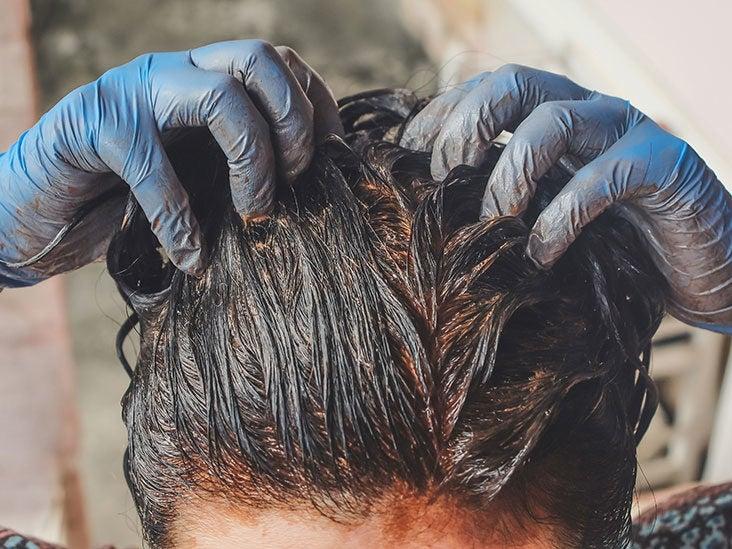
It is a popular choice for natural hair colouring because people use it to darken hair or add highlights, and for its conditioning properties for dry or damaged hair. This article keeps the claims in proportion, explains how people use it, and sets out the cautions.
Will Rosemary Oil Change Your Hair Colour?
There is no clear evidence that rosemary can change hair colour. Some people believe that it can darken hair, but there is no scientific proof to support this claim.
It is thought to improve circulation and encourage hair growth, but there is no solid evidence to back up these claims. Results may vary from person to person, and there is no guarantee that rosemary will change your hair colour.
Does Rosemary Oil Get Rid of Grey Hair?
There is no definitive answer, as it depends on the person and their individual hair type. Some people may find that rosemary oil helps to cover up grey hair, while others may find that it makes their grey hair more visible.
Because it varies so much, the original advice is to experiment with a small amount first and see how it works for you. Do not expect grey hair to disappear.
Hair Colour Questions at a Glance
| Question | What the article says |
|---|---|
| Change hair colour? | No clear evidence and no scientific proof; some people believe it can darken hair |
| Cover grey hair? | Varies by person; may help cover grey or may make it more visible |
| Darken blonde hair? | Said to darken over time with regular use; too much can make blonde hair look greenish |
| Use on black hair? | Used to darken hair and often added to shampoos and conditioners for this purpose |
Rosemary Oil on Black Hair and Blonde Hair
For black hair
Rosemary can help to stimulate hair growth, and it is often used as a natural treatment for baldness and thinning hair. Rosemary oil is thought to improve circulation to the scalp, which can promote hair growth.
It can also be used to darken the hair, and it is often added to shampoos and conditioners for this purpose. If you have black hair and want a natural way to stimulate growth or darken your locks, the article suggests giving rosemary a try.
For natural blonde hair
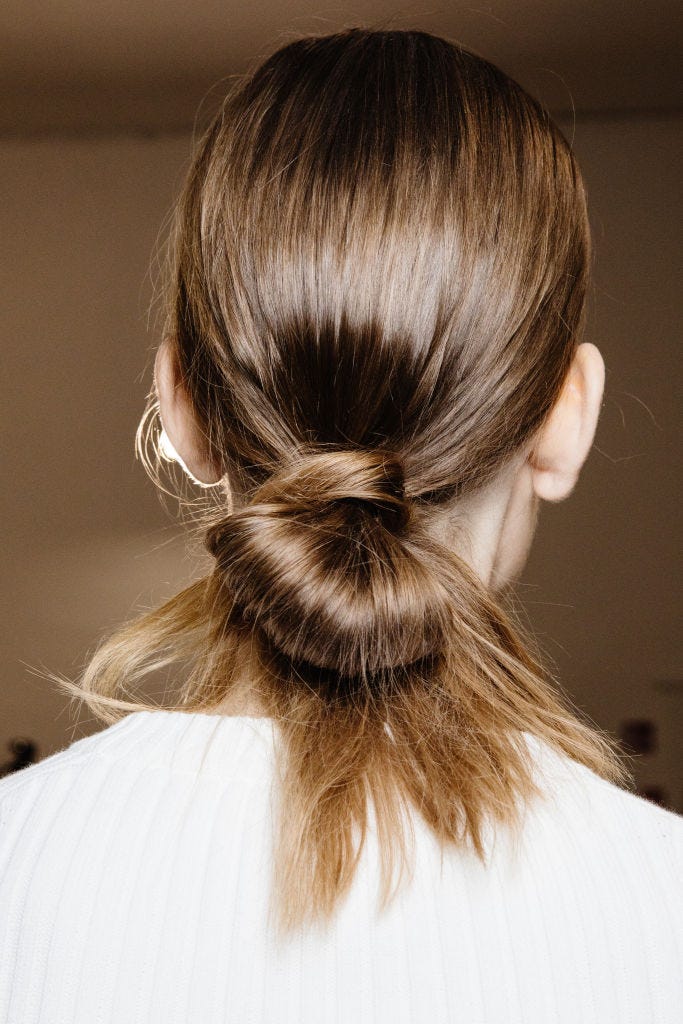
Rosemary oil has long been used as a natural hair treatment to darken hair. It is said to work by coating the hair shaft and depositing colour onto the hair, and it will not lighten blonde hair.
Start with a small amount and increase as needed, as too much rosemary oil can make blonde hair appear greenish. If you want a more immediate way to darken blonde hair, the article mentions henna instead.
Credit: www.elle.com
Other Benefits Described for Hair and Scalp
One of the most popular uses for rosemary oil is hair care. The oil can help to stimulate hair growth, reduce hair loss and improve scalp circulation.
It is also thought to strengthen hair follicles and shafts, which can prevent breakage and split ends. Rosemary oil can be used as a shampoo, conditioner or scalp massage oil.
For colour routines, it is described as adding shine and lustre, helping with dandruff and scalp dryness, and making hair look shinier and softer. Those are the article’s descriptions, not guarantees for every reader.
Video: Can Rosemary Oil Thicken Hair?
What the Research Mentioned in the Article Found
Research on the effectiveness of rosemary oil for hair growth is limited, although the article describes some studies as promising. One study found that rosemary oil was effective in promoting hair growth in mice, increasing the number of follicles and the thickness of each strand.
Another study looked at the effect of rosemary essential oil on human scalp cells. It found that the oil was able to stimulate cell proliferation and promote cell regeneration.
More research is needed to determine whether rosemary essential oil is effective for promoting hair growth in humans. If you are interested in trying it, speak with your doctor first.
How to Apply Rosemary Oil to Hair
The article’s method is simple: massage a few drops into your scalp and leave it on for 30 minutes before washing it out. Follow these steps.
- Add a few drops of rosemary oil to your palm, enough for good coverage when you massage it in.
- Rub your hands together, then massage the oil into your scalp using circular motions and work it in well.
- Leave the oil in for 30 minutes or longer, or cover your head with a shower cap to keep the heat in.
- After 30 minutes or more, shampoo and condition as usual.
How to Dilute Rosemary Oil and Make a Blend
Diluting rosemary oil safely
Choose a carrier oil first, because a carrier oil helps to dilute the essential oil and makes it easier to apply topically. Good carrier oils named in the article include jojoba oil, coconut oil and olive oil.
For every 1 ounce (30 ml) of carrier oil, use about 5-10 drops of rosemary essential oil. If you have longer hair, you may want to use more drops.
Add the desired amount of each oil into a glass bottle or jar and shake well until combined. Once mixed, the rosemary hair oil is ready to use.
Making a rosemary oil blend
Start with 1/4 cup of carrier oil such as jojoba, grapeseed or almond oil, and add 10-12 drops of rosemary essential oil. Stir well.
Apply the mixture to your scalp and massage gently for several minutes. Wrap your head in a towel or shower cap and let it sit for at least 30 minutes before shampooing as usual.
Side Effects, Patch Testing and Cautions
Rosemary oil can cause skin irritation in some people, so do a patch test before using it on your scalp. An allergic reaction is also possible, so patch testing is essential.
Dilute it well with a carrier oil such as jojoba or coconut oil, and always start with a small amount. You can always add more if needed.
Be aware that rosemary oil can make your skin more sensitive to the sun, so avoid exposure to sunlight after using it topically. The article also states that rosemary oil can cause hair loss because it has a high concentration of rosmarinic acid.
Rosemary Oil Compared with Minoxidil
Both substances have been shown in the article to be effective at stimulating hair growth, but there are key differences. The summary below uses only points made in the original article.
| Point | Rosemary oil | Minoxidil |
|---|---|---|
| What it is | An essential oil derived from Rosmarinus officinalis, often used in aromatherapy | A medication available over the counter and by prescription |
| How it is used | Applied topically to the scalp; shown in the article to boost circulation when applied topically | Applied directly to the scalp twice a day |
| Points made in the article | Antimicrobial properties may help keep the scalp healthy and free of infection; described as a more natural option with fewer side effects | Shown to slow hair loss and promote new growth in men and women; can cause dryness, itching and redness of the scalp |
If you want a more natural option with fewer side effects, the article suggests rosemary oil may be the way to go. If you want something more likely to produce results quickly, it suggests minoxidil may be your best bet, and to talk to your doctor about what is right for you.
Conclusion
Rosemary oil is best approached as a conditioning, scalp-massage oil that some people also use when trying to darken hair, not as a proven hair dye. Used diluted, patch tested and in small amounts at first, it fits the article’s guidance on shine, softness, dandruff and dry scalp.
Keep expectations modest on colour change and growth, because the article itself says the evidence is limited and results vary. Talk to a doctor before using it as a hair-growth remedy.
This article is general information only and is not medical advice. Please consult a healthcare professional for personal advice.