Table of Contents
Quick Summary / At A Glance
- Help her learn to wash her face gently every morning and evening with a mild cleanser.
- Moisturize after cleansing with a product that suits her skin type.
- Make sunscreen a daily habit, with broad-spectrum SPF 30 or higher.
- Teach her not to pick or squeeze pimples, and to ask an adult for help with worrying breakouts.
- Support skin with everyday habits: water, enough sleep, varied foods, and a short nightly routine.
The skin is the body’s largest organ and its first line of defense against infection. Good skin care habits, started early, can help maintain healthy skin.
Parents and guardians can help by teaching, showing, and leading by example. The habits in this article are simple, and they do not depend on a long list of products.
Why These Five Habits Matter
A basic routine helps remove makeup and dirt from the face, and helps keep skin clean. It also helps hydrate the skin and keep it moist, and helps protect it from sun and environmental damage.
Starting early gives a young girl time to learn each step calmly. She can learn to be gentle with her skin, rather than scrubbing hard or copying an adult routine.
The Five Habits at a Glance
The table below summarizes the five habits described in this article. It is built only from the guidance in the sections that follow.
| Habit | What to do | When |
|---|---|---|
| Cleanse gently | Wash with a gentle cleanser and lukewarm water | Morning and evening |
| Moisturize | Apply a light moisturizer suited to her skin type | After cleansing, morning and night |
| Use sunscreen | Broad-spectrum SPF 30 or higher, applied generously | Every day, even when cloudy |
| Keep hands off pimples | Do not pick or squeeze; ask an adult for help if worried | Whenever breakouts appear |
| Build everyday habits | Drink water, sleep enough, eat varied foods, be active | Every day |
Tip 1: Teach Gentle Cleansing, Morning and Evening
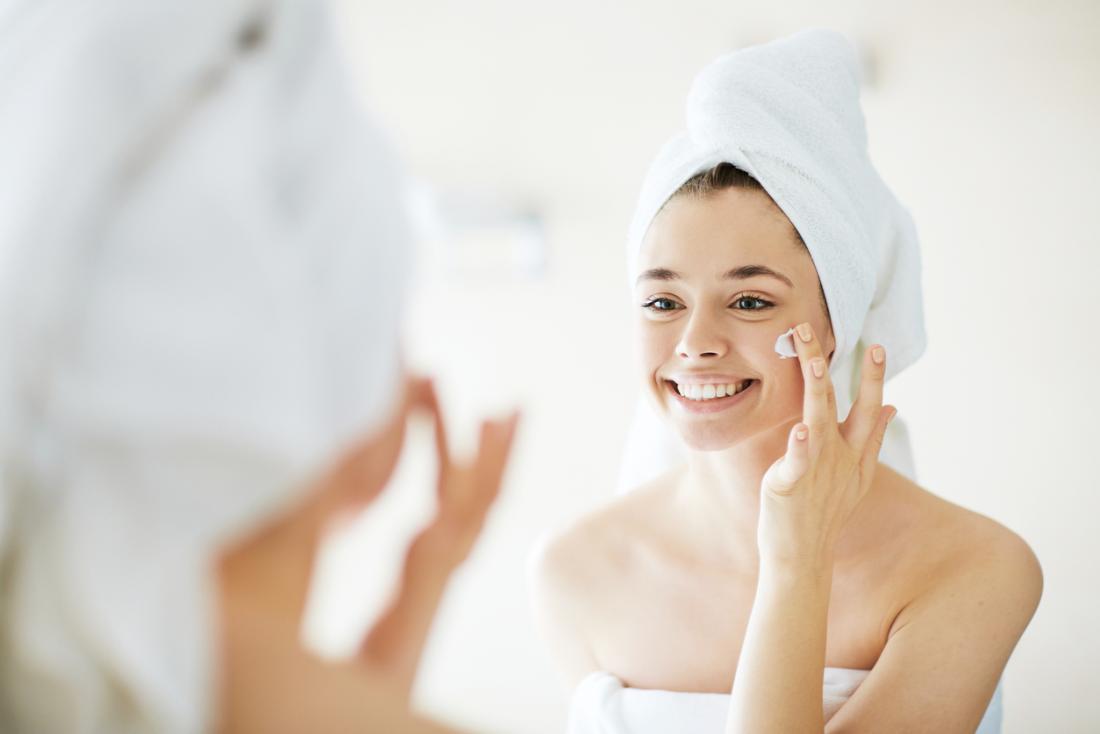
Teach her to cleanse her face every morning and evening to remove dirt, oil, and makeup. Help her find a gentle cleanser that works well for her skin type.
Use lukewarm water and massage the cleanser into the skin in circular motions. Rinse thoroughly and pat dry with a soft, clean towel, and remember to be gentle, because scrubbing too hard can irritate or even damage skin.
Try to avoid cleansers with harsh ingredients such as sulfates or alcohol. Products labeled “for sensitive skin” or “gentle” can be a helpful starting point.
Never go to bed with makeup on. Cleansing at night, and removing all makeup before bed, helps stop makeup and build-up from staying on the skin overnight.
Tip 2: Make Sunscreen a Daily Habit
Encourage her to wear sunscreen every day, even if she does not plan on spending time outdoors. Ultraviolet (UV) rays can damage skin even when it is cloudy.
Wearing sunscreen is described in this article as one of the most important things you can do for skin, regardless of age. Talk with her about sun safety, and help her understand that overexposure to the sun can damage skin.
Look for a sunscreen with an SPF of 30 or higher, and check the expiration date on the bottle. Apply it generously to the face and neck about 15 minutes before going outdoors.
Reapply every two hours, or more often after swimming or sweating. For a 12-year-old, the article suggested a mineral sunscreen with zinc oxide, which provides broad-spectrum protection against both UVA and UVB rays.
Tip 3: Moisturize, and Build a Short Nightly Ritual
Moisturizing is key for keeping skin hydrated and healthy-looking. Help her find a moisturizer that works well for her skin type, and show her how to apply it correctly.
If her skin is oily, choose a light lotion or gel that will not clog pores. If her skin is drier, a thicker cream or lotion can provide extra hydration.
Apply moisturizer morning and night after cleansing. Moisturizer helps lock in hydration and helps protect skin through the day and overnight.
A nightly ritual can be short: cleanse, moisturize, and go to bed. Toner is optional, not essential; if one is used, avoid astringents or alcohol-based toners, which can strip natural oils and leave skin feeling tight and uncomfortable.
Stop using any product that irritates her skin, and ask for advice instead of adding more products. Gentle, repeatable steps are easier for a young girl to keep.
Video: Five Simple Tips for Skin
Tip 4: Keep Hands Off Pimples
Discuss the importance of not picking or squeezing pimples. Picking or squeezing can lead to scarring or infection, so hands-off is the safer habit to teach.
Breakouts are common and normal in the teen years. Hormones can cause changes ranging from acne to dryness, and a breakout does not mean she has done something wrong.
Keep the routine gentle when breakouts appear, rather than adding strong new products. Talk together, and involve a parent or guardian in any decision about extra treatment.
If acne is persistent, painful, or worrying, ask a dermatologist for help. A dermatologist can assess her skin and advise on care that suits her.
Tip 5: Support Skin With Everyday Habits
Encourage her to drink plenty of water throughout the day. Water is part of the everyday habits in this article, alongside cleansing, moisturizing, and sunscreen.
Getting enough sleep is also included as a healthy skin habit. The article suggested aiming for seven to eight hours per night and keeping a regular sleep schedule as much as possible.
Talk about everyday foods in a calm, positive way. Eating a varied range of foods, including plenty of fruits, vegetables, whole grains, lean protein, and healthy fats, supports overall health, including the health of skin.
Lead by example by making balanced choices yourself, without turning food into a rule about appearance. These are general habits for well-being, not a diet plan for a young girl.
Regular exercise was also listed as a healthy habit in this article. After exercise, showering or washing helps remove sweat, which can otherwise clog pores and lead to breakouts.
Simple Routines by Age
Around Age 12: Cleanse, Moisturize, Protect
For a 12-year-old, the article described a simple routine: a gentle cleanser, a light moisturizer, and sunscreen every day. Choose an oil-free moisturizer if her skin is prone to breakouts, and a more hydrating lotion if her skin is drier.
In the Mid-Teens: Keep the Same Basics
At 15 or 16, the basics stay the same: cleanse twice a day, moisturize morning and night, and use sunscreen every day. Gentle exfoliation once or twice a week was included for teenage skin, but it should never involve excessive scrubbing, which can damage skin.
Use products designed for her skin type, whether oily, dry, or sensitive. If she is not sure what to use, a parent or guardian can help her ask a dermatologist for recommendations.
Choosing Products: Read Labels Carefully
There are many skin care products on the market, and it can be hard to know which ones are right. Her skin type will play a big role in determining which products suit her.
Read labels and ingredient lists carefully when selecting products. Avoid products with harsh chemicals or artificial fragrances, as these can irritate delicate youthful skin, and stick with gentle ingredients whenever possible.
Start small when building a routine. Add one new product, step, or change at a time, so she is not overloaded all at once.
Building the Habit: Pick a Time and Keep It
Pick times that work best for her, such as mornings after waking up and evenings before bed, and stick to them as much as possible. A routine that fits her day is easier to repeat.
In the morning, the order is cleanse, moisturize, then sunscreen. At night, remove makeup, cleanse gently, and moisturize before bed.
Keep each routine short enough to finish on a busy school day. Consistency with a few steps is the goal of this article, not a perfect or lengthy routine.
When to See a Dermatologist
Have her skin checked by a dermatologist if she has concerns or issues with breakouts or other problems. Regular family check-ups with a dermatologist were suggested in the article, especially when there are ongoing concerns.
Seek advice sooner if acne is persistent or painful, or if a product causes irritation that does not settle. A parent or guardian should be part of that conversation.
Conclusion: Simple Habits, Taught Gently
Good skin care habits for young girls are gentle cleansing, daily moisturizing, daily sunscreen, hands off pimples, and supportive everyday habits. Teach each step calmly, show her how to do it, and lead by example.
Keep the routine simple enough for her to repeat every day. Talk to a dermatologist together if you have concerns about her skin.
This article is general information only and is not medical advice. Please consult a healthcare professional for personal advice.