Table of Contents
Quick Summary / At a Glance
- An alcohol-free toner contains no ethanol or other alcohol, and is used after cleansing to remove remaining oil, dirt and makeup without stripping moisture.
- Toner is not one product type: hydrating, soothing, clarifying and exfoliating toners do different jobs, so choose by skin type and goal.
- Alcohol-heavy and harsh astringent toners can dry skin, strip natural oils and irritate, especially sensitive skin — those cautions matter when you compare labels.
- For dry or sensitive skin, the article points to hydrating, soothing ingredients such as glycerin, hyaluronic acid, aloe vera and chamomile.
- Apply toner after cleansing and before serum or moisturiser, avoid the eye area, and stop if a product leaves skin tight or uncomfortable.
What a Toner Does After Cleansing
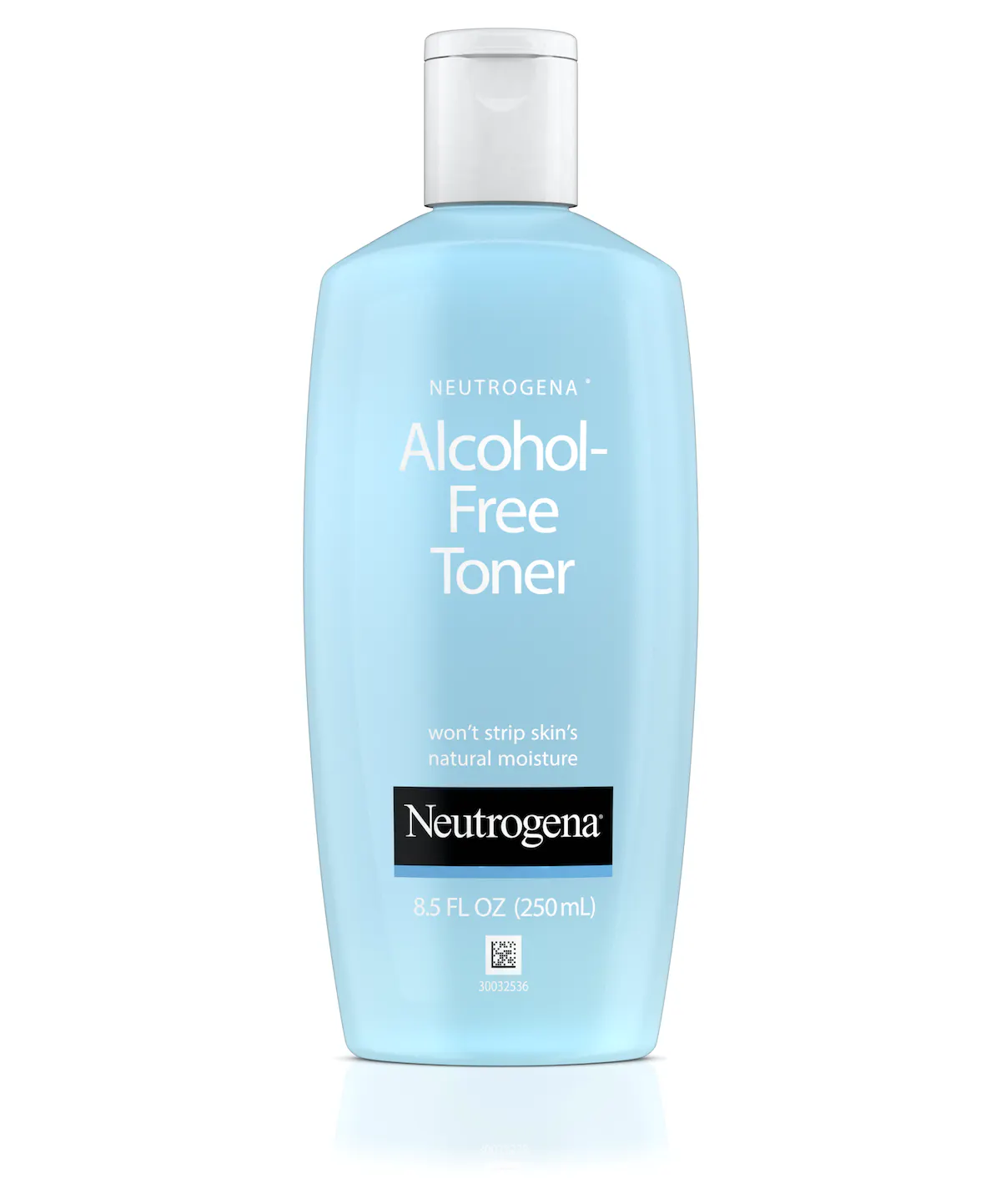
An alcohol-free toner is a beauty product that does not contain any ethanol or other type of alcohol. These toners are designed to remove excess oil and dirt from the skin without stripping away its natural moisture barrier.
A toner is a skincare product that helps to remove excess oil, dirt, and makeup from the skin. It is typically used after cleansing and before applying serum or moisturizer, and toners can be applied with a cotton ball or pad, or sprayed directly onto the face.
Alcohol-free toners can be found in both gel and liquid form, and are often infused with botanical extracts to nourish and revitalize the skin. They can help remove any remaining traces of makeup or dirt, while also helping to restore the skin’s pH levels, which can leave skin feeling refreshed.
Is Alcohol-Free Toner Better? It Depends on Your Skin
There are a lot of different opinions about whether or not alcohol-free toner is better. The article is clear that it really depends on your own personal preferences and skin type, and some people find it works better for their skin while others find it does not make much difference.
There are still reasons the article gives for choosing alcohol-free. For one thing, it is often more gentle on the skin than products that contain alcohol, which can be especially important if you have sensitive skin.
Additionally, alcohol-free toners often contain more beneficial ingredients than their counterparts, since the majority of the space in the bottle is not taken up by alcohol. That is one reason an alcohol-free toner may help improve your skin’s appearance.
Toner Types at a Glance
There are many different types of toners on the market, and not all of them are created equal. The table below groups them by the job the article describes, using only ingredients and effects named in the original article.
| Toner type | Who the article describes it for | What it does, from the article | Point to watch |
|---|---|---|---|
| Hydrating toner | Dry or sensitive skin | Glycerin or hyaluronic acid can help draw, attract and retain moisture in the skin | Should not strip the skin of its natural oils |
| Soothing, balancing toner | Dry, sensitive or normal skin | Aloe vera, chamomile, rose water or green tea are named to soothe, calm and nourish the skin | Choose a gentle formula that will not irritate your skin |
| Clarifying toner | Oily, combination or acne-prone skin | Described as designed to control oil; witch hazel or tea tree oil are named as clarifying ingredients | Also named elsewhere as a harsh astringent that can dry out and irritate skin |
| Exfoliating toner | Oily or combination skin | Glycolic acid and lactic acid, in AHA/BHA formulas, help exfoliate the surface of the skin, slough away dead skin cells and unclog pores | A stronger job than gentle cleansing or hydrating, so not the same choice for every skin type |
| Alcohol-containing toner | Described for comparison, not as the article’s recommendation | Its effect depends on its ingredients; with aloe vera or glycerin it can help soothe and nourish skin | If a toner contains mostly alcohol, it will dry out skin and strip away natural oils |
The witch hazel point shows why labels need reading in full. The same ingredient is presented as clarifying in one part of the article and as an astringent to avoid in another, so the rest of the formula and your skin’s response matter.
Choosing a Toner for Dry or Sensitive Skin
If you have dry skin, look for a hydrating toner that will not strip your skin of its natural oils. If you are trying to avoid alcohol, the article notes that this can be difficult, but alcohol-free options can help keep dry skin hydrated and healthy.
For dry or sensitive skin, the article points to a hydrating formula with soothing ingredients like aloe vera or chamomile. It also names beta-glucan and licorice root extract to soothe and nourish skin without stripping it, and ceramides, which help restore the skin’s natural barrier.
For some people with sensitive skin, alcohol can be drying and irritating. If regular toners leave your skin feeling tight or uncomfortable, switching to an alcohol-free version may help, and that tight feeling is a useful warning sign to stop and rethink a product.
Choosing a Toner for Oily or Combination Skin
If you have oily or combination skin, the article says to look for a toner that is specifically designed to control oil and breakouts. For normal skin, by contrast, it says any type of alcohol-free toner will likely work well for you.
When it comes to oily skin, it is important to choose a toner that will not strip away moisture or exacerbate oil production. Alcohol-free toners are described as designed to gently cleanse and balance oily skin without stripping away essential moisture.
When choosing an alcohol-free toner for oily skin, look for ingredients like glycerin or hyaluronic acid, which help to attract and lock in moisture. The article suggests gentler ingredients like rose water or green tea, which can provide benefits without being too harsh on the complexion.
Clarifying and Exfoliating Toners: Extra Cautions
Clarifying and exfoliating toners are the strongest types described in the article. Glycolic acid helps to exfoliate the skin, remove dead skin cells, and unclog pores, while witch hazel extract is described in a branded example as controlling sebum production.
Set against that, the oily-skin section warns you to avoid formulas with harsh astringents like witch hazel or citrus oils, as these can dry out and irritate the skin. Keep both points in view: a clarifying label is not a guarantee that a formula will be gentle, and dried-out, irritated skin is a reason to stop using it.
Video: Alcohol-Free Toner Options Discussed
What Alcohol in a Toner Can Do to Skin
An alcohol toner can be beneficial to your skin, but the article says it all depends on the ingredients that are in the toner. If the toner contains mostly alcohol, then it will dry out your skin and strip away any natural oils, and the article links that to premature aging, fine lines and wrinkles.
However, if the toner contains other helpful ingredients like aloe vera or glycerin, then it can actually help to soothe and nourish your skin. It is about finding a balance with alcohol toners, and knowing which ingredients will work best for your own individual skin type.
How to Apply Toner in a Routine
After cleansing your face as usual, apply your chosen formula with a cotton ball or pad and sweep it across your entire face, avoiding the eye area. That order — after cleansing and before serum or moisturizer — is the place the article gives toner in a routine.
For a hydrating toner for dry skin, the article mentions use after cleansing morning and night. Follow up with your regular serum or moisturizer routine afterwards, which the article links to softer, more balanced skin.
Reading the Label Without the Brand Names
First, make sure the product is truly alcohol-free by checking the label, rather than relying on the front of the bottle or a product name. Second, look for ingredients that match your goal, such as the hydrating, soothing or clarifying ingredients described above, and think about other benefits you want, such as brightening your complexion or calming inflammation.
Third, avoid toners that contain harsh chemicals or fragrances, and choose a product that is gentle and will not irritate your skin. The article also notes a formula described as free of parabens, sulfates, phthalates, and artificial fragrances, which shows the kind of label detail worth checking.
When a Toner Is Not Agreeing With Your Skin
The drying and irritating effects described in this article are the main cautions to keep at full strength. Alcohol can be drying and irritating for sensitive skin, harsh astringents can dry out and irritate skin, and a toner that is mostly alcohol can strip away natural oils.
If a toner leaves your skin tight, uncomfortable, dry or irritated, that is the article’s signal to switch rather than to persist. If irritation continues after you stop, or you are unsure which type of toner suits a skin concern, ask a healthcare professional for personal advice.
Key Takeaways on Toner Types
Start with your skin type, then choose the toner type that matches it: hydrating or soothing for dry or sensitive skin, and a carefully checked clarifying or exfoliating type for oily or combination skin. Ignore brand names, prices and top-pick lists, and judge the label, the ingredients, and how your own skin responds.
This article is general information only and is not medical advice. Please consult a healthcare professional for personal advice.