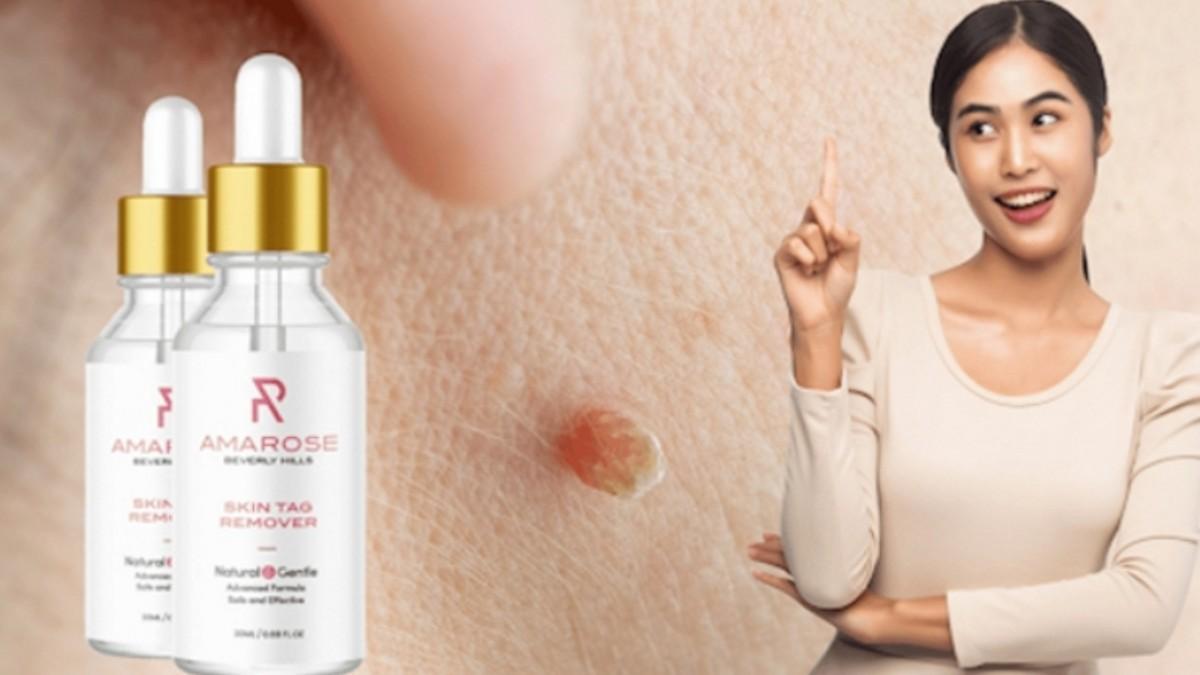
Amarose is a marketed home skin-tag removal product: a topical liquid you apply to skin tags yourself. Its marketing claims it removes skin tags quickly, painlessly and without scarring. Here is a balanced look at what it claims, what is not proven, and the real risks.

Table of Contents
What Are Skin Tags?
skin tags (acrochordons) are small, soft growths of skin that hang from a thin stalk. DermNet explains that they are harmless and very common, especially where skin rubs against skin or clothing.
What is not proven
Amarose is not FDA approved for removing skin tags. It is sold as a homeopathic-style cosmetic product, not a proven medical treatment, and there is no solid clinical evidence that it works.

The NHS advises against removing skin tags yourself because of the risk of bleeding and infection, and explains that removal is usually done privately by a doctor. Unregulated removal creams can burn surrounding skin and leave scars, and a growth that is not a skin tag (such as a mole or skin cancer) needs proper assessment.
The real risks
- Home removal products can irritate or burn the surrounding skin, cause scarring or infection, and may simply not work.
- Any growth should be checked by a doctor before removal — some things that look like “skin tags” are actually other conditions.

When to See a Doctor
- The growth bleeds, itches or changes colour or shape.
- It grows quickly or looks different from your other skin tags.
- You are unsure whether it is a skin tag, mole or wart.
- It is in a sensitive area such as the eyelid or genitals.
See also our guides to treating dark spots and scars, gentle skincare and skin barrier repair.

Proven Ways to Remove Skin Tags
Skin tags are harmless, so removal is usually for comfort or appearance. Doctors can remove them in minutes by snipping, freezing or cauterising them, often with little or no scarring. Before any removal, a professional can confirm that the growth really is a skin tag and not a mole, wart or skin cancer, which is something no cream or patch can do.
Why DIY Removal Is Risky
Tying off tags with thread, cutting them at home or using strong acids can cause bleeding, infection and scarring. Products sold online may contain caustic ingredients that burn healthy skin around the tag. If a growth changes colour, bleeds, itches or grows quickly, see a doctor rather than trying to remove it.
For more, read our full guide to skin tag removal causes and safe treatment options, plus fragrance-free skincare for calming irritated skin and skin barrier repair after any irritation.
What Causes Skin Tags?
Skin tags (acrochordons) are small, soft, flesh-coloured growths made of loose collagen fibres and blood vessels covered by skin. They are extremely common, especially after midlife, and tend to appear where skin rubs against skin or clothing: the neck, armpits, eyelids, groin and under the breasts.
They are more likely in people who are overweight, have type 2 diabetes or insulin resistance, are pregnant (because of hormonal changes) or have a family history of them. Skin tags are not contagious and are not cancerous, but a new growth that looks unusual should still be checked.
Skin Tag or Something Else?
- Skin tag: soft, hangs from a thin stalk, skin-coloured or slightly darker, does not change much over time.
- Wart: rough surface, often on hands or feet, caused by a virus and can spread.
- Mole: usually flat or dome-shaped and brown; any change in size, shape or colour needs checking.
- Seborrhoeic keratosis: waxy, “stuck-on” brown patch common in older adults.
Because these look different under the microscope and need different care, getting a diagnosis before using any remover is the safest step.
What Regulators Say About Home Skin Tag Removers
The U.S. Food and Drug Administration has warned consumers about unapproved products sold to remove moles and skin tags at home, including liquids, creams and ointments. The concerns are that these products can burn the skin, cause scarring and infection, and, most importantly, delay the diagnosis of a skin cancer that was mistaken for a harmless tag. A product being sold online does not mean it has been reviewed for safety or effectiveness.
Questions to Ask Before Buying Any Home Removal Product
- Has a doctor confirmed that the growth is a skin tag and not a mole, wart or something that needs checking?
- Does the product list its active ingredients and their strength clearly?
- Is there any independent evidence, not just testimonials and before-and-after photos?
- What happens if it burns or scars my skin, and who do I contact?
- Is the price a one-off payment, or does the order start a subscription?
Professional Removal: What to Expect
| Method | What happens | Aftercare |
|---|---|---|
| Snipping (excision) | The tag is cut off with sterile instruments, sometimes after numbing | Keep clean and dry; a small scab forms |
| Freezing (cryotherapy) | Liquid nitrogen freezes the tag, which falls off within days to weeks | Mild blistering is common; don’t pick it |
| Burning (cautery) | Heat removes the tag and seals the skin | Keep the area clean while it heals |
In many public health systems, skin tag removal is treated as cosmetic and may not be offered free, so a private dermatologist or clinic may be the option. Even so, a single professional appointment is often safer and cheaper in the long run than repeated home products that don’t work. For a fuller overview, read our guide to skin tag removal.
How to Look After Skin Tags You Keep
Most skin tags are harmless and can simply be left alone. If you decide to keep them, a few habits reduce irritation: wear loose, soft clothing over areas where tags rub, take care when shaving around them, and avoid tight necklaces or straps in the same spot. If a tag catches and bleeds, apply gentle pressure with a clean cloth and keep it clean until it heals. Never tie off a skin tag with thread or dental floss at home, as this can cause pain, infection and scarring. See a doctor if a tag changes colour, grows quickly, bleeds without being injured or looks different from your other tags.
The safest rule is simple: get any new or changing skin growth checked first, and leave removal to a trained professional rather than an online product.
Frequently Asked Questions
Do skin tags come back after removal?
The removed tag will not regrow, but new ones can appear elsewhere, especially in areas of friction.
Is it safe to remove skin tags on the eyelids?
No home method should be used near the eyes. Eyelid tags should be removed by a doctor or specialist.
Can weight loss reduce skin tags?
Existing tags will not disappear, but reducing friction and improving blood sugar control may lower the chance of new ones forming.
The safer alternative
The safest removal is by a doctor, who can freeze, cauterise or snip the tag off under sterile conditions.
This article is general information only and is not medical advice. Please consult a healthcare professional for personal advice.