Table of Contents
Quick Summary / At A Glance
- Cruelty-free, in this article, means a brand does not test its products on animals and instead uses alternative methods.
- Cruelty-free and vegan are different: vegan skincare also uses plant-based ingredients instead of animal-derived ingredients.
- Look for an explicit cruelty-free statement on the label and for certification logos from organizations such as Leaping Bunny or PETA.
- Check a brand’s current policy and the certifier’s current list, because the brand examples in the original article date from 2022 and policies change.
- Brand names below appear only as the original article’s examples, not as recommendations, and there are no prices, ratings or buy links.
What Cruelty-Free Means in This Article
There are a number of cruelty-free skincare brands available, in the original article’s description. These brands do not test their products on animals, and instead use alternative methods to ensure the safety and efficacy of their products.
Many of these brands also use natural and organic ingredients. The article describes those ingredients as gentle on the skin and kind to animals, but natural or organic is a separate point from whether a product is tested on animals.
When it comes to skincare, there are a lot of options. If you are looking specifically for cruelty-free brands, the choices can be a bit more limited, so checking the label and the brand’s policy matters.
Cruelty-Free, Vegan and Natural: The Difference
Vegan and cruelty-free are often used together, but they answer different questions. Cruelty-free skincare brands do not test their products on animals at any stage of development, in the article’s description.
Vegan skincare brands typically use plant-based ingredients instead of those derived from animals. Some popular vegan ingredients named in the article are aloe vera, coconut oil and shea butter.
| Term | What it means in the original article | What to check |
|---|---|---|
| Cruelty-free | Products are not tested on animals | Label statement, certification logo, brand policy on testing |
| Vegan | Plant-based ingredients are used instead of animal-derived ingredients | Ingredient list and any vegan statement |
| Natural or organic | Many brands in the article also use natural or organic ingredients | Ingredient list; this alone does not show the testing policy |
Why People Choose Cruelty-Free and Vegan Skincare
For some people, it is an ethical or moral choice to avoid products that may cause harm to animals. The conclusion puts it simply: animals should not have to suffer for beauty products.
Others may prefer vegan products for environmental reasons, as the article says plant-based ingredients often have a lower carbon footprint than those derived from animals. Some people simply find that these types of products work better for their skin.
For others, it is about the quality of the products themselves. The article says many believe products that are not tested on animals are more likely to be gentle and effective, and that cruelty-free products tend to be just as effective as their non-cruelty-free counterparts.
Certification Logos and Lists to Look For
Many brands will explicitly state if their products are cruelty-free. Alternatively, you can look for certification logos from organizations like Leaping Bunny or PETA.
The article gives two certification examples. Pacifica is described as 100% vegan and cruelty-free certified by PETA, and Herbivore Botanicals is described as Leaping Bunny certified, meaning it does not test on animals.
PETA’s Cruelty-Free List is presented as a list to check before a purchase. The article says you will find hundreds of companies there that have pledged not to test their products on animals, covering makeup, hair care, fashion and skincare, and that many of these brands are also vegan.
How to Check a Brand’s Status
First, check the label. Many brands explicitly state if their products are cruelty-free, and a certification logo is a clearer signal than a general ethical claim.
Second, check the certifier’s list, such as PETA’s Cruelty-Free List, and research the specific brand and its policy on animal testing. That research step is repeated in the article, including in its body lotion section.
Third, look at the details behind the claim: whether the brand commissions others to test on its behalf, and whether it sells in markets the article describes as requiring animal testing by law. The article raises both points in its brand-by-brand sections.
Finally, re-check at the time you rely on it. Brand policies change, ownership changes and sales markets change, so a description from 2022 should be checked against the certifier’s current list and the brand’s current policy.
Brand Examples Named in the Original Article
The table below is not a shopping list and it is not a ranking. It records, in shortened form, how the original article described each brand, so readers can see what kind of claims to verify for themselves.
| Brand example | How the original article described it |
|---|---|
| Lush | Well-known for ethical practices; products vegetarian and vegan friendly; does not test on animals |
| The Body Shop | A leader in the fight against animal testing for decades; products described as 100% cruelty-free |
| Pacifica | Products made from natural ingredients; 100% vegan and cruelty-free certified by PETA |
| Herbivore Botanicals | Natural ingredients and free from synthetic fragrances or colors; Leaping Bunny certified; products described as vegan |
| Drunk Elephant | Committed to using only clean ingredients; does not test on animals |
| Burt’s Bees | All-natural or mostly natural ingredients; described as not testing on animals |
| Aveda | Founded with a mission to care for the world we live in; described as cruelty-free and vegan and as never testing on animals |
| eos | Described as one of the first big beauty brands to ditch animal testing; lip balms described as 100% cruelty-free |
Status Questions the Original Article Asked
The original article asked, brand by brand, whether particular brands were cruelty-free, mostly in sections dated 2022. The answers below are therefore reported as that article’s dated descriptions, not as current statements to rely on without checking.
It described CeraVe as a cruelty-free and vegan skincare brand whose products are not tested on animals and do not use animal-derived ingredients. It described Cetaphil as cruelty-free in 2022, not testing at any stage of production and not selling in markets where animal testing is required by law.
It described La Roche Posay as cruelty-free, not testing or commissioning others to test, and not selling in China where it said animal testing is required by law. It described The Ordinary as cruelty-free and vegan, and as certified by PETA as a brand that does not use animal-based ingredients or byproducts.
Its Neutrogena section shows why checking is not always simple. It said Neutrogena is owned by Johnson & Johnson, which it described as not cruelty-free, that Neutrogena itself does not test or allow third parties to test on its behalf, and that some of its ingredients are derived from animals, before overall considering it a cruelty-free company.
In the other direction, it named Estee Lauder, L’Oreal and Nars as popular brands that test on animals, in a section that also said those companies sell in China where animal testing is required by law. It stressed that there are many other such brands, so it is important to do your research before purchasing any skincare products.
A Worked Example: Checking a Body Lotion
The article’s body lotion section uses the same checks on one product type. It looks for a lotion that has not been tested on animals and, in that section, does not contain animal-derived ingredients, and that is free of harmful chemicals and fragrances.
It then applies personal needs after the cruelty-free check: a hypoallergenic option for sensitive skin, and a lotion with hyaluronic acid or aloe vera for extra hydration. A body butter or cream is mentioned as another format to consider.
Conclusion: Check, Do Not Just Trust a Label Claim
Cruelty-free is about testing, vegan is about ingredients, and natural or organic is a third, separate description. Keeping those three apart makes a brand’s claims much easier to check honestly.
Use the label, the certification logo and the certifier’s current list together, and check the brand’s own current policy on testing, third-party testing and where it sells. That is the safest way to use the examples in this article, because brand policies change over time.
This article is general information only and is not medical advice. Please consult a healthcare professional for personal advice.
Other Examples Named in the Original Article
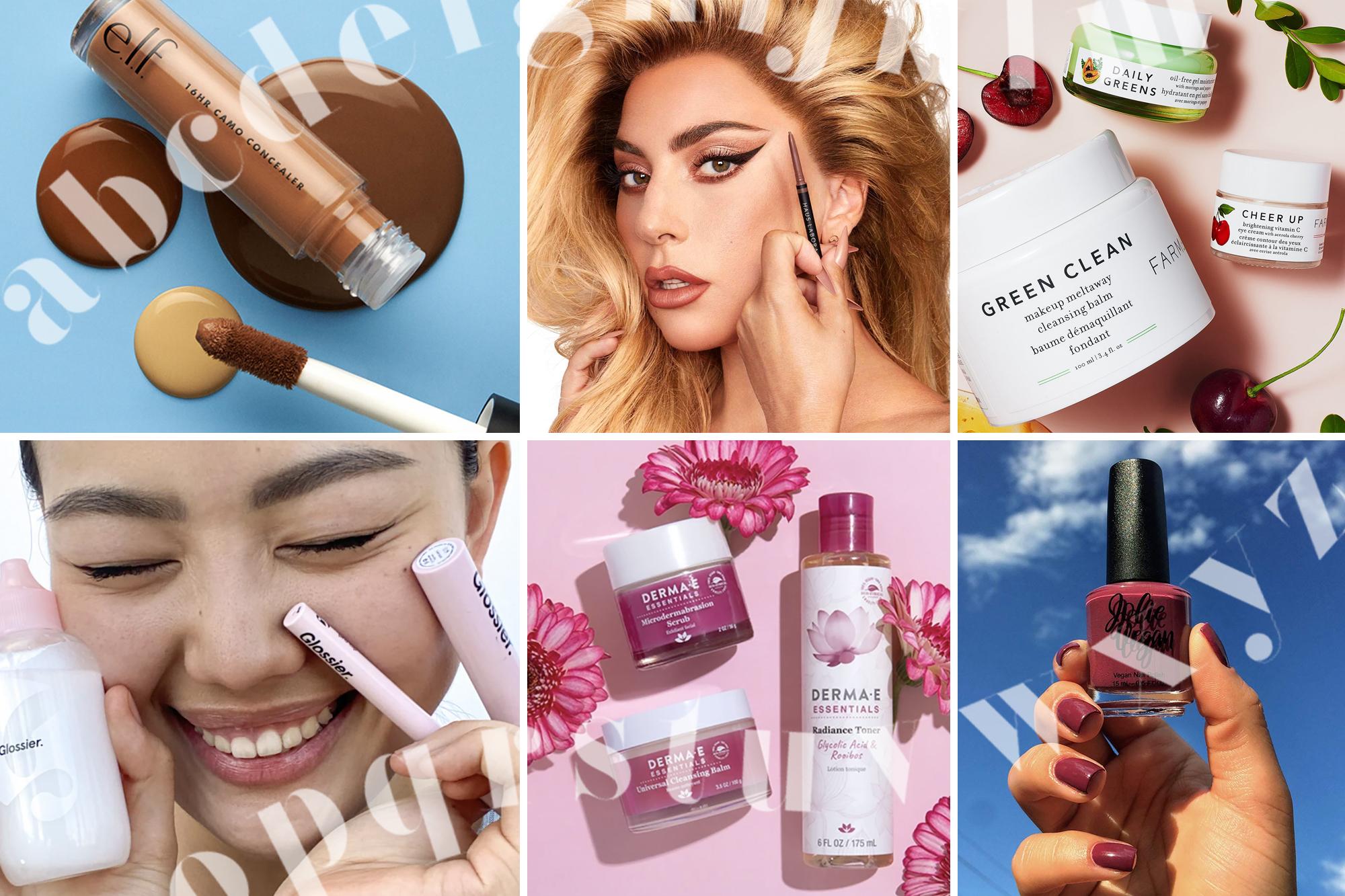
The introduction also named Aesop, with LUSH and The Body Shop, as a popular cruelty-free skincare brand. Later sections named Pacifica, derma e. and e.l.f. as companies that do not test on animals, and named Bare Minerals as a brand described as 100% cruelty-free and vegan and as committed to being gentle on skin and the planet.
The 2022 list also named Kora Organics as an organic, sustainable and eco-friendly skincare line whose products are vegan and cruelty-free. The conclusion named Bushytail Naturals as a brand making all-natural and organic products with ethically sourced ingredients and no animal testing.