Table of Contents
Quick Summary / At A Glance
- Start with soap and warm water, and act promptly — dried dye is harder to remove from skin.
- An oil-based makeup remover or coconut oil, and a gentle baking soda paste, are the other main gentle options described.
- Do not use bleach, nail-polish remover, rubbing alcohol, or other strong solvents on skin; they are named here only as things to avoid.
- Prevent stains next time with gloves, petroleum jelly or barrier cream along the hairline, careful application, and a patch test first.
- Stop and rinse at once if anything burns or irritates your skin, and get urgent care for a chemical burn or allergic reaction.
Start Promptly With Soap and Warm Water
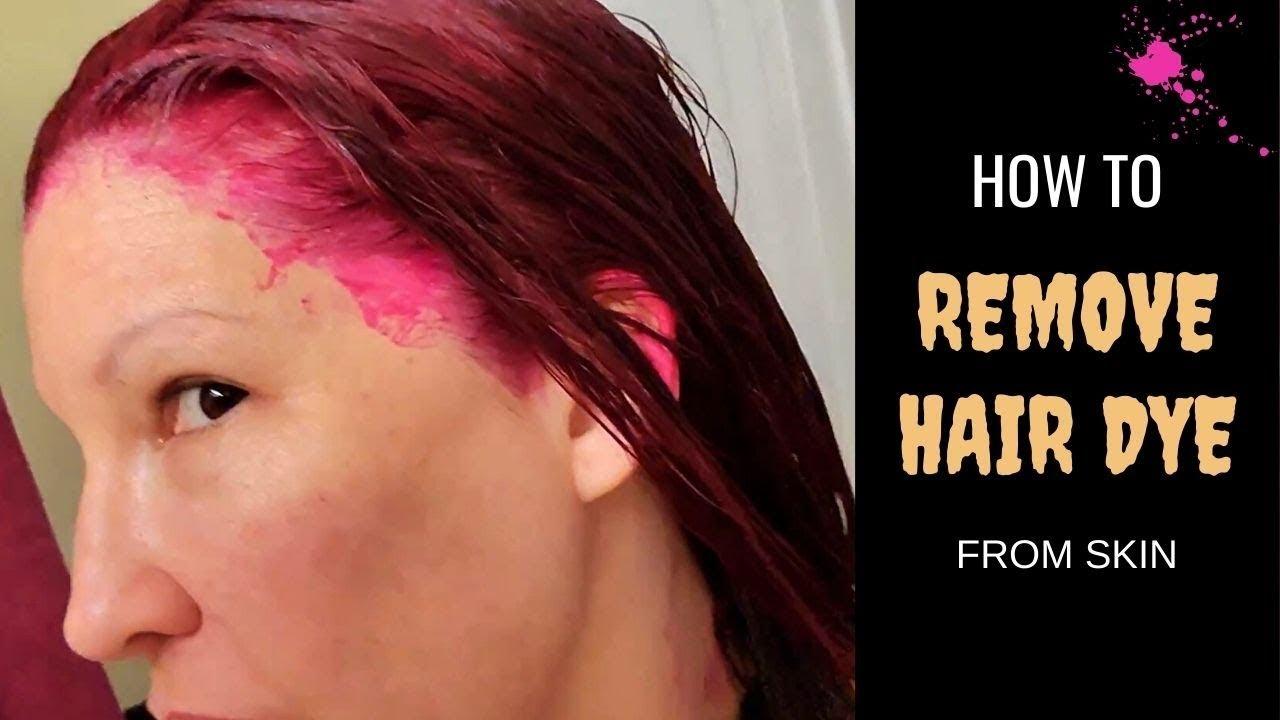
When you dye your hair at home, some color can end up on your skin, even when you are careful. Soap and water is always a good place to start.
Simply wash the dyed area with warm water and soap. This will help remove any excess color that may be sitting on the surface of your skin.
Lather up with your regular soap and work gently over the dyed area until the color starts to fade. You may need to do this a few times, as the original guidance noted.
Act as soon as you notice the stain where you can. As dye dries, it becomes more difficult to remove, so a fresh stain is usually easier to wash away than a dried one.
Once you have removed as much dye as you can, rinse your skin with warm water. Apply a moisturizer afterward to help soothe any irritation, as the original opening guidance described.
Oil-Based Removers and Coconut Oil
If soap and water is not enough, you can try using an oil-based makeup remover or cleanser to help break down the pigment. Apply it to a cotton ball and gently wipe away the color, then rinse with warm water afterward.
Coconut oil was also described as a way to help break down the hair dye on your skin. Apply it generously to the stained area and let it sit for a few minutes before wiping it away.
Use a clean cloth or cotton pad dipped in warm water to wipe the oil away. In another part of the original article, coconut oil was left on the affected area for ten minutes before wiping.
Coconut oil was described in the original article as a natural moisturizer as well as a dye remover. Whichever oil-based option you use, work gently and rinse the skin afterward.
Baking Soda Paste and Other Gentle Options
A mild option described in the original article is a paste made from baking soda and water. Make the paste, gently rub it onto the stained area, and rinse away with warm water when finished.
Sugar was also named as a mild abrasive that can be made into a paste with water in the same way. Treat either paste as a gentle step only, not as a hard scrub.
For permanent dye stains, the original article described leaving a baking soda paste on the stain for fifteen minutes before rinsing away with warm water. For dried dye, it described leaving the paste on for ten to fifteen minutes.
Another gentle option was a cotton ball soaked in milk, used to gently wipe away the dye. Milk was described in the original article as soothing, and as helping to calm irritation caused by the dye.
If you have sensitive skin, avoid harsh chemicals and do not scrub too harshly, because that can irritate your skin further. Stop and rinse off any paste at once if it burns or stings.
Comparison Table: Gentle Methods From the Original Article
| Method | How it was described | Caution |
|---|---|---|
| Soap and warm water | Wash the dyed area; repeat a few times if needed | Work gently; do not scrub harshly |
| Oil-based makeup remover or cleanser | Apply with a cotton ball and gently wipe away the color | Rinse with warm water afterward |
| Coconut oil | Apply generously, let it sit for a few minutes, then wipe away | Use a clean cloth or cotton pad dipped in warm water |
| Baking soda paste | Make a paste with water, rub gently, and rinse | Stop and rinse if it burns or irritates |
| Milk on a cotton ball | Gently wipe away the dye | Described as soothing; stop if skin reacts |
| Dish soap and warm water (hands) | Lather, rub hands together, rinse, and repeat | For hands only, as originally described |
Dried, Permanent, and Black Dye Stains
Permanent hair dye can come off skin, but it may take some effort, as the original article explained. Use the gentle methods above — oil-based remover, a warm washcloth with soap and water, and a baking soda paste — rather than stronger products.
Soak a washcloth in warm water and apply it to the stained area for a few minutes before washing with soap and water. That warm washcloth step was described for permanent dye stains in the original article.
For dried dye, start again with a washcloth wetted with warm water and soap, and gently rub it over the stained areas. A baking soda paste is the other dried-dye option described, as set out above.
Black dye was treated in the original article in the same way as other dye: wash with soap and water first, and protect the skin beforehand with petroleum jelly or a thick moisturizer. Do not escalate to solvents just because a dark stain is slower to fade.
How long dye stays on skin depends on the type of product used, as the original article noted. It described dye lasting anywhere from one wash to longer, so a stain that fades gradually with washing is not a reason to scrub harder.
Hands and Hairline: The Two Common Trouble Spots
For hands, the original article described dish soap and warm water. Wet your hands, lather them up with dish soap, and rub your hands together for a minute or two, then rinse with warm water.
Repeat that hand-washing process until as much dye as possible is gone. Moisturize afterward, because repeated washing can leave hands dry.
For the hairline, prevention matters most: use petroleum jelly or another type of barrier cream around your hairline before applying the dye. This helps create a barrier between your skin and the dye, and makes stray marks easier to clean up afterward.
Apply the dye carefully and keep it away from your hairline as much as possible. Once you are done dyeing your hair, the original article described shampooing twice and conditioning once with products designed for color-treated hair.
What to Avoid on Skin
Do not use bleach, nail-polish remover, or strong solvents on your skin to remove dye. Those products appear in the original article, but they are not repeated here as methods — they are named only as things to avoid.
Rubbing alcohol is also not used as a method in this version. The original article itself noted that rubbing alcohol can dry out your skin and can make the situation worse.
Commercial products designed specifically for removing hair dye stains were mentioned for stubborn, dried dye. If you use one, test it on a small area first, follow its label, and stop and rinse if it burns, because some products may be harsh on sensitive skin.
Prevention Next Time: Gloves, Barrier Cream, and a Patch Test
Wear gloves while you apply dye, so your hands are protected from staining in the first place. Apply a generous amount of petroleum jelly or another thick moisturizer along your hairline before starting the dyeing process.
Be very careful when applying dye to your hair, and avoid getting it on your skin as much as possible. Wipe away stray marks promptly with soap and water while they are still fresh.
Do a patch test before dyeing, following the dye product’s own instructions, and test any removal product on a small area of skin first. That small-area test was the original article’s advice for checking that a method will not cause irritation.
When to Stop and Get Urgent Care
Stop what you are doing and rinse your skin at once if you feel burning, stinging, or increasing irritation at any point. The original article described dye on skin starting to burn, and that is a signal to rinse, not to keep scrubbing.
Get urgent care for signs of a chemical burn or an allergic reaction, such as severe burning, blistering, swelling, or difficulty breathing. Do not try further home removal methods on skin that is reacting in that way.
For ordinary irritation that does not settle, or if you are unsure whether a reaction needs treatment, consult a healthcare professional for personal advice. Keep the dye and removal products away from your eyes and from broken skin.
The Bottom Line on Gentle Removal
Hair dye can stain skin, but the gentle methods in the original article — soap and water, oil-based remover or coconut oil, a gentle baking soda paste, and milk — cover most situations. Work promptly, work gently, rinse, moisturize, and rely on gloves and barrier cream next time.
This article is general information only and is not medical advice. Please consult a healthcare professional for personal advice.