Table of Contents
Quick Summary / At A Glance
- Fresh dye usually lifts with warm water, mild soap or shampoo and gentle rubbing with a washcloth.
- A baking soda and water paste, left on briefly and rinsed off, can help with more stubborn stains.
- Petroleum jelly, coconut oil, oil-based makeup remover and micellar water can help loosen dye without harsh scrubbing.
- Stop and rinse at once if your skin burns, stings or becomes irritated, and never use bleach or strong solvents on skin.
- Wearing gloves, using a barrier along the hairline and patch-testing dye can help prevent stains next time.
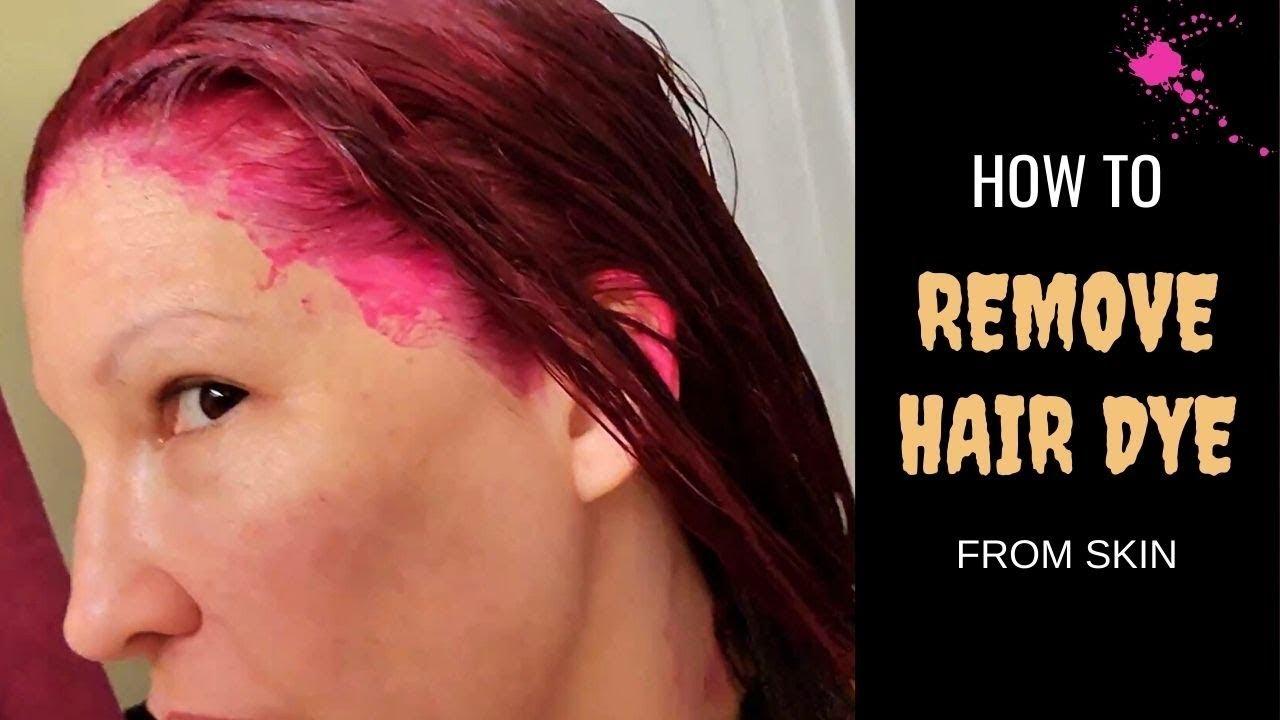
Dye on your forehead, ears, hands or neck is a common part of colouring hair at home. The guidance in this article is simple: start with the gentlest method, work patiently, and let time and washing fade what is left.
Temporary and semi-permanent dyes usually fade from skin within a few washes. Permanent dye is harder to shift, but it still fades as skin renews and with repeated gentle washing.
The video below is the dermatology clip embedded in the original article.
Start With Soap and Warm Water: The First Steps
Act as soon as you notice the stain, while the dye is still fresh. Wetting and washing early loosens dye before it settles into the surface of the skin.
- Rinse the stain with warm water to remove any excess hair dye.
- Apply a small amount of dish soap or shampoo to the stained area and work it into a lather.
- Rub the area with a washcloth or sponge in a circular motion for several minutes.
- Rinse the soapy solution from your skin with warm water.
- Repeat as necessary until the hair dye stain is gone or has faded.
Use a mild soap or shampoo rather than a harsh detergent. The article warns that harsh detergents and chemicals can strip natural oils and irritate the skin, so keep pressure light and rinse well.
Baking Soda Paste for Stubborn Stains
Baking soda paste is the method this article returns to most often for stubborn marks. Mix baking soda with water to make a paste, apply it to the stained area, and leave it for a few minutes before rinsing with warm water.
For a dried or stubborn stain, the original timings range from a minute or two up to 10 to 15 minutes. Rub very gently in circular motions, rinse thoroughly, and repeat only if your skin still feels comfortable.
Baking soda can still irritate sensitive skin. Use it on a small area first, keep it brief, and stop at once if it burns or stings.
Petroleum Jelly, Oils and Makeup Removers
Petroleum jelly, sold as Vaseline, can help loosen dye on the surface. Rub a generous amount onto the stained area, let it sit for a few minutes, then wipe it away with a cotton ball, cotton bud or damp cloth, and repeat if needed.
Oil-based makeup remover and coconut oil work in a similar way in the original article. Apply generously, leave for several minutes so the oil can help break down the dye, then wipe away with a clean cloth or cotton ball and wash the area.
Micellar Water and Diluted Lemon Juice: Use With Care
Micellar water, usually used to remove makeup and cleanse skin, can also be used on dye stains. Soak a cotton pad, rub it gently over the dyed area, let it sit for a few minutes, then rinse with warm water and repeat if necessary.
A diluted lemon juice or vinegar solution is another option in the original article for stains that remain after washing. It describes mixing 1 part lemon juice or vinegar with 2 parts water, leaving it on for 5 to 10 minutes, then rinsing, and repeating several times if needed.
Lemon juice is acidic, so keep it away from broken or sensitive skin and rinse it off promptly. If it stings, stop, rinse with water, and use a gentler method instead.
Gentle Methods Compared
The table below compares only the gentle methods described in the original article.
| Method | Best suited to | How it is used | Key caution |
|---|---|---|---|
| Soap or shampoo | Fresh, light stains | Lather with warm water and rub gently with a washcloth | Use a mild cleanser; harsh detergents can irritate |
| Baking soda paste | Stubborn or dried stains | Apply paste for a few minutes, rub gently, then rinse | Stop if it burns or stings |
| Petroleum jelly | Hairline and surface stains | Leave on for a few minutes, then wipe away | Repeat rather than scrubbing harder |
| Coconut oil or oil-based makeup remover | Dye that soap has not shifted | Leave on for several minutes, then wipe and wash | Wipe gently; do not use harsh solvents instead |
| Micellar water | Light stains and smaller areas | Apply with a cotton pad, wait, then rinse | Repeat if necessary |
| Diluted lemon juice or vinegar | Lingering stains after washing | Apply the diluted solution for 5 to 10 minutes, then rinse | Acidic; avoid broken skin and rinse promptly |
Hands, Nails and the Hairline
For hands and nails, wet a nail brush or an old toothbrush and scrub the stained areas gently with soap and water. You may need to do this a few times, then wash your hands thoroughly with soap and water.
Around the hairline, ears and neck, work in small areas with a cotton ball, cotton bud or cloth so you can control the pressure. A clarifying shampoo can also be tried for hairline stains, followed by a moisturising conditioner for your hair, because clarifying shampoo can strip natural oils from the scalp and strands.
Dried-On and Dark Dye Stains
If the dye has already dried, first wet a cotton ball or paper towel with warm water and dab the stain to loosen it. Then massage in a gentle cleanser in circular motions, using a loofah or exfoliating glove only lightly if you need extra help, and rinse thoroughly with warm water and pat dry.
Black and other dark dyes can look stronger on skin, but the approach in this article stays the same: soap and water first, then baking soda paste rubbed gently in circular motions. Dark stains may need several gentle rounds and time to fade, rather than a stronger product.
How Long Does Hair Dye Stay on Skin?
Permanent hair dye does not wash off skin easily, and a gentle cleanser or baby shampoo may take some scrubbing and repetition. There is no fixed time for a stain to clear, so do not rely on a promise that it will vanish in minutes.
Any dye left on skin will gradually fade with time, washing and the skin’s normal renewal. Repeated gentle washing is safer than reaching for a stronger product to speed things up.
Methods to Avoid on Skin
Do not put bleach or bleaching products on your skin to remove dye, and do not use nail-polish remover or other strong solvents on your face or skin. They can irritate or burn skin and are not needed when gentler methods and time will fade the stain.
Skin Safety: When to Get Urgent Help
Whatever gentle method you use, stop if you feel burning, strong stinging, pain or increasing irritation. Rinse the area well with water, pat it dry, and do not repeat that method on irritated skin.
Get urgent medical care for signs of a chemical burn or a serious allergic reaction, such as swelling, blistering, severe pain, or difficulty breathing. Do not wait for a stain to fade if your skin is blistering or you are having trouble breathing.
Preventing Stains Next Time You Colour
Before you colour again, do a patch test with the dye as its instructions direct, and wear the gloves provided or suitable protective gloves. Apply petroleum jelly as a barrier along your hairline, ears and neck before you start, keep a damp cloth nearby, and wipe any drips off skin straight away with soap and water.
Protect clothing and surfaces too, because dye that reaches fabric can stain it. If dye does get on clothing, the original article suggests soaking the garment in cold water for several hours or overnight before laundering it as usual, and treating it more than once if needed.
Common Questions
Will hair dye come off skin on its own?
Yes. Dye on skin fades with washing and time, and temporary and semi-permanent colour usually fade within a few washes, while permanent dye can take longer and may need repeated gentle washing.
What is the gentlest first step?
Warm water with mild soap or shampoo, rubbed gently with a washcloth. It is the first method in the original article and the least likely to irritate skin when used gently.
What should I avoid?
Bleach, nail-polish remover and other strong solvents on skin, harsh detergents, and hard scrubbing. Stop any method that burns or irritates, rinse well, and seek urgent care for swelling, blistering or breathing difficulty.
Conclusion
Most dye stains respond to patience rather than force: wash gently, try a paste, jelly, oil or micellar water, and repeat as needed. Keep the methods gentle, protect your skin next time with gloves, a barrier and a patch test, and let any last trace fade with normal washing.
This article is general information only and is not medical advice. Please consult a healthcare professional for personal advice.