Table of Contents
Quick Summary / At A Glance
- Organic moisturizers hydrate with plant-based ingredients such as aloe vera, shea butter and jojoba oil, without synthetic fragrances, parabens or sulfates.
- The right choice depends on your skin type, ingredients, certifications, texture and any allergies or sensitivities you already know about.
- Dry skin usually needs richer creams, oily skin needs lightweight, non-comedogenic textures, and sensitive skin needs gentle, fragrance-free care.
- Patch test first, read labels carefully, and stop using a product if it causes irritation, redness or discomfort.
- Apply a small amount to clean, damp skin, include the neck, and support your routine with sunscreen, sleep and gentle cleansing.
Why Choose an Organic Moisturizer?
Organic skin moisturizers provide natural hydration and help lock in moisture, leaving skin feeling soft, smooth and supple. They are made with organic ingredients and without harsh chemicals or additives.
This guide explains how to choose one, which ingredients are highlighted, and how to match texture to skin type. It also covers added benefits such as sun protection and brightening, plus safe application.
No moisturizer suits everyone in exactly the same way. Your skin type, sensitivities and the rest of your routine will affect whether a particular formula feels comfortable and useful.
Choosing the Right Organic Moisturizer
Start with your skin type: oily, dry, sensitive or combination skin will not need the same formula. Then read the ingredients list and look for nourishing options such as aloe vera, shea butter, jojoba oil and vitamins.
- Certifications: Check for certifications such as USDA Organic or Ecocert, which indicate that a product meets organic standards.
- Texture and absorption: Lighter moisturizers absorb quickly, while richer creams provide longer-lasting hydration for drier skin.
- Allergies and irritations: If you have known allergies or sensitivities, read the label carefully and avoid ingredients that may trigger a reaction. Fragrance-free and hypoallergenic options can be a safer choice.
Organic moisturizers avoid parabens, sulfates and synthetic fragrances, which can reduce the risk of irritation for some people. They can also be nutrient-rich, environmentally friendly and, for many brands, cruelty-free.
Choosing organic is also presented as an environmental choice. Organic farming practices reduce the use of harmful pesticides and promote sustainable agriculture, while cruelty-free certification means products are not tested on animals.
Key Ingredients in Organic Moisturizers
Natural and organic ingredients should be gentle and nutrient-rich, and free from potentially harmful chemicals such as parabens, sulfates and artificial fragrances. They include vitamins, antioxidants and beneficial minerals that nourish and replenish the skin.
Oils for Moisturizing and Nourishing the Skin
Jojoba oil closely resembles the skin’s natural sebum and helps keep skin hydrated without clogging pores. Rosehip oil contains antioxidants, vitamins and fatty acids and can improve the appearance of skin texture.
Lavender oil is soothing and calming, making it suitable in products for dry and sensitive skin. Argan oil is deeply nourishing, rich in fatty acids and antioxidants, and helps restore the skin’s natural barrier.
Plant Extracts and Their Hydrating Properties
Aloe vera hydrates and helps calm dryness and inflammation. Green tea extract contains antioxidants and can soothe skin, while calendula helps relieve dryness and irritation.
Hyaluronic acid is a humectant that attracts moisture to the skin, helping it look plump and hydrated. Shea butter and coconut oil are also named as ingredients that provide deep moisturization.
Ingredient Comparison From This Guide
| Ingredient | Main point in this article | Often chosen for |
|---|---|---|
| Jojoba oil | Resembles natural sebum; hydrates without clogging pores | Oily or combination skin |
| Rosehip oil | Antioxidants, vitamins and fatty acids; improves the appearance of texture | Uneven texture |
| Lavender oil | Soothing and calming; helps retain moisture | Dry and sensitive skin |
| Argan oil | Fatty acids and antioxidants; helps restore the skin barrier | All skin types |
| Aloe vera | Hydrates and helps calm dryness and inflammation | Dry, sensitive or acne-prone skin |
| Hyaluronic acid | Humectant that attracts moisture to the skin | Dry and dehydrated skin |
| Green tea extract | Antioxidant extract that helps soothe and hydrate | Irritated-looking skin |
| Calendula extract | Soothing and hydrating; helps relieve dryness and irritation | Sensitive skin |
Matching a Moisturizer to Your Skin Type
Moisturizing is a core step, but the formula should match your skin. The notes below summarize the types described in the original article by skin concern, rather than naming specific products.
Dry and Dehydrated Skin
For dry and dehydrated skin, look for deep hydration that does not strip away natural oils. Options described used botanical oils with hyaluronic acid, or shea butter with aloe vera, to soothe dryness and support elasticity.
Oily and Acne-Prone Skin
For oily and acne-prone skin, choose lightweight and non-comedogenic moisturizers that will not clog pores. Options described used tea tree oil and witch hazel, or botanical extracts and salicylic acid, to help control excess oil and support a matte finish.
Sensitive, Irritated and Combination Skin
For sensitive and irritated skin, gentle formulas are important to maintain skin health and prevent discomfort. Options described used chamomile and calendula to calm redness, or antioxidants to support the skin barrier and reduce sensitivity.
Combination skin is named among the main skin types to consider when buying. A lighter texture that still hydrates drier areas may be easier to adjust than a very rich cream used everywhere.
Moisturizers With Added Benefits
Some organic moisturizers are described as multitasking, going beyond basic hydration to target a specific concern. The main added benefits covered are anti-aging care, sun protection and brightening.
Anti-Aging Care for Mature Skin
For mature skin, antioxidants such as vitamin C or retinol are highlighted for the appearance of fine lines and wrinkles. Hyaluronic acid, peptides and shea butter are also mentioned for elasticity, firmness and hydration.
Moisturizers With Sun Protection
A moisturizer with SPF can provide broad-spectrum UVA and UVB protection alongside hydration. Look for lightweight, non-greasy formulas with nourishing ingredients such as aloe vera or green tea extract for everyday use.
Brightening and Evening Out Skin Tone
For a brighter, more even tone, ingredients named include niacinamide and licorice extract for dark spots and discoloration. Vitamin C, lemon or papaya extracts are mentioned for luminosity, and fruit enzymes or alpha-hydroxy acids (AHAs) for texture.
Safety: Patch Testing and Irritation Cautions
Patch test first: Before using a new moisturizer all over your face, test a small amount on a small area of skin and wait to see how your skin reacts. Do not continue if you notice irritation, an allergic reaction or discomfort.
Natural does not mean risk-free for everyone. Essential oils are highly concentrated plant extracts, so read labels carefully, avoid known allergens, and choose fragrance-free and hypoallergenic options if you are sensitive.
If skin becomes red, itchy or irritated, stop using the product and rinse the moisturizer off. Seek professional advice if irritation persists or is severe.
How to Apply an Organic Moisturizer
Proper application helps a moisturizer work as intended without using more product than you need. Follow the simple steps below as part of a gentle routine.
- Start with a cleansed face: Make sure your face is clean and free from dirt or impurities, using a gentle cleanser suitable for your skin type.
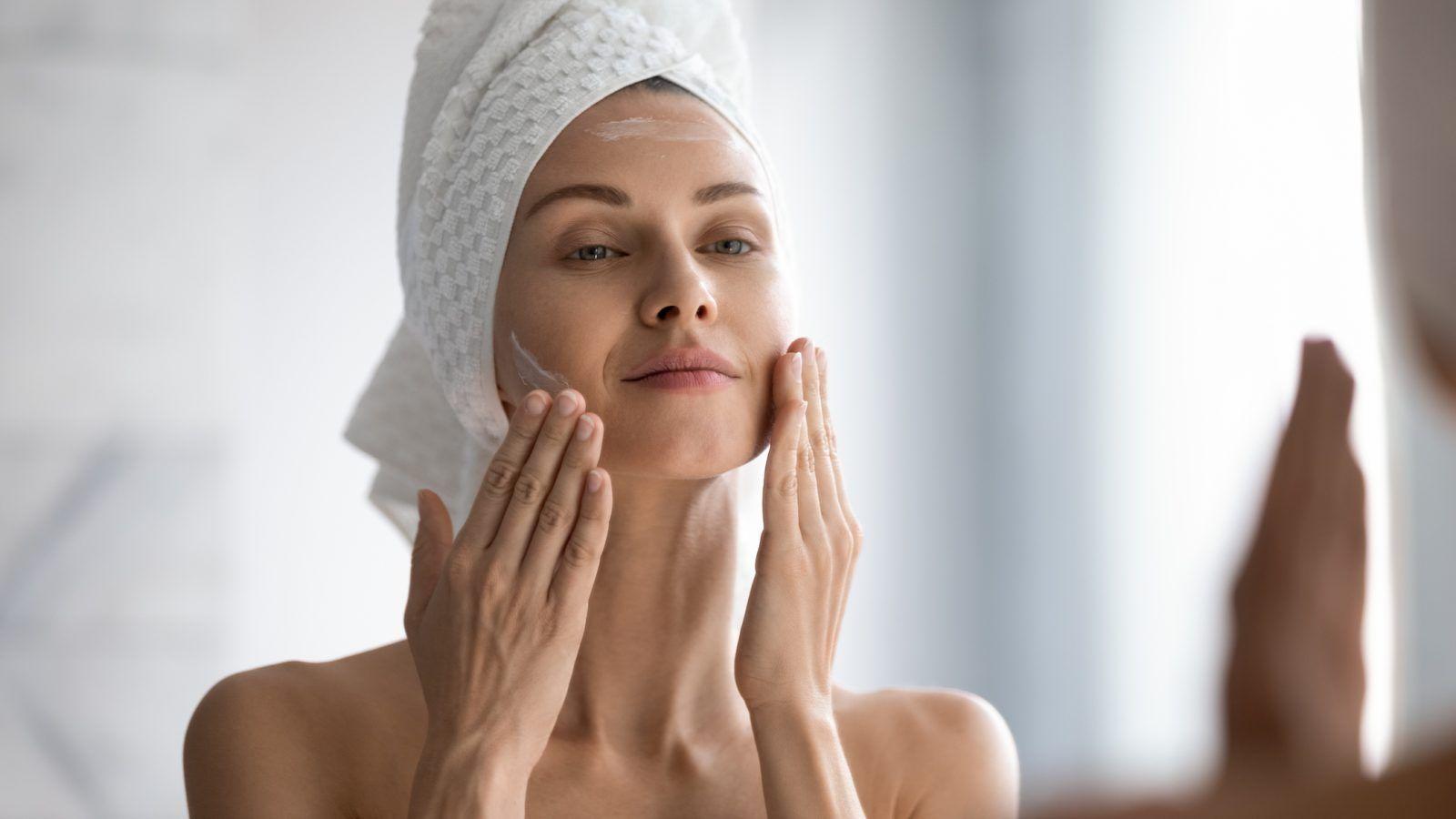
- Use in moderation: A little goes a long way, so massage a small amount gently onto your face and neck for thorough coverage.
- Use circular motions: Circular motions while applying can help absorption and provide hydration and nourishment.
- Time it right: Apply to damp skin, preferably after cleansing or toning, to help lock in moisture.
- Do not forget the neck and décolletage: These areas need hydration just like your face.
A gentle cleanser, hyaluronic acid serum or facial oil can complement a moisturizer, depending on your skin’s needs. During the day, sunscreen remains important for protecting skin from UV rays.
Maintaining Healthy and Nourished Skin
Hydrated skin also starts from within, so drink adequate water and follow a balanced diet rich in antioxidants, vitamins and minerals. Include fruits, vegetables, whole grains and lean proteins.
Get enough sleep, protect skin against pollution and harsh weather, and exfoliate regularly but gently. Avoid over-exfoliation, as it can cause irritation or dryness.
Frequently Asked Questions
Do organic skin moisturizers work?
Organic moisturizers work by nourishing skin with natural ingredients and locking in moisture. How well a product suits you will depend on its ingredients and your skin type.
What is a natural moisturizer for acne-prone skin?
Aloe vera is recommended for acne-prone skin because of its soothing properties. For oily skin, cleanse gently and use a lightweight, oil-free moisturizer.
What are the benefits of using an organic moisturizer?
Benefits described include hydration, support for elasticity, help with the appearance of fine lines, and protection against environmental damage. The benefit you notice will depend on the formula you choose.
Can organic moisturizers be used on all skin types?
Formulas are available for sensitive, oily, dry and combination skin, but suitability varies by product. Checking skin type, ingredients and allergens is still essential before use.
Conclusion
Choosing an organic moisturizer comes down to matching ingredients and texture to your skin type, needs and sensitivities. Whether your priority is rich hydration, oil control, calming care, sun protection or brightening, keep the formula gentle and the routine consistent.
This article is general information only and is not medical advice. Please consult a healthcare professional for personal advice.