
Table of Contents
Quick Summary / At A Glance
- Cleanse gently with a mild cleanser and never scrub or tug the delicate skin around your eyes.
- Moisturise daily with a light moisturiser, eye cream or gel, tapped in gently with your ring finger.
- Protect the area every day with broad-spectrum sunscreen, sunglasses and shade from strong sun.
- Support the skin with sleep, hydration, a cool compress for puffiness and gentle make-up removal.
- Use products only on the skin around the eyes, keep them out of the eyes, and stop if irritation occurs.
The skin around your eyes, called the periocular area, is thinner and more delicate than the skin on the rest of your face. It can be one of the first places to show signs of ageing, dryness and tiredness. Because it is so sensitive, it needs gentler handling than the rest of your routine.
This guide keeps the focus on the appearance and comfort of the skin around the eyes. It does not treat eye conditions, and the products described here are for that skin only, never inside the eye.
Why the Skin Around Your Eyes Is So Delicate
The periocular area has many blood vessels and is full of nerve endings, which helps explain why it can feel so sensitive. It can be easily damaged, and rubbing your eyes can irritate the skin and cause inflammation.
As we get older, skin loses elasticity and gravity takes its toll, so sagging can run in families or appear with ageing. Sun damage and smoking can also contribute to wrinkles, while dehydration can leave the under-eye area looking dry and wrinkled.
That is why this routine uses small amounts of product, gentle pressure and a soft touch throughout. Apply products with your ring finger, rinse with lukewarm water and pat dry with a soft towel.
A Simple Daily Routine for Under-Eye Skin
A simple routine covers the basics the original article returned to most often: remove make-up, cleanse gently, moisturise, and protect the area during the day. The summary table below pulls those steps together.
| Step | What to do | What to avoid |
|---|---|---|
| Cleanse | Use a mild cleanser with gentle circular motions, then rinse with lukewarm water | Harsh soaps, scrubs and vigorous rubbing |
| Moisturise | Apply a light moisturiser or an eye cream or gel, tapped in with your ring finger | Tugging or pulling at the skin |
| Protect | Use broad-spectrum sunscreen with an SPF of 30 or higher during the day | Skipping sunscreen on cloudy days |
| Remove | Take off all make-up before bed with remover or micellar water | Sleeping in your make-up |
Remove Make-Up and Cleanse Gently
Remove make-up before bed, because sleeping in it can lead to clogged pores, breakouts and premature ageing. A cotton ball soaked in micellar water or an oil-free make-up remover will do the trick.
Cleanse with a mild, hypoallergenic cleanser designed for sensitive skin, massaged gently onto wet skin. Avoid harsh soaps or cleansers, as they can strip away natural oils and irritate the skin.
Moisturise and Apply Eye Cream or Gel
Apply a light moisturiser to the under-eye area after cleansing to keep the skin hydrated and help prevent dryness. An eye cream or serum designed for the under-eye area can also help the skin look less puffy.
Use only a small amount, and gently tap it into the skin with your ring finger until it is absorbed. If you exfoliate, the original article advised a gentle exfoliant designed for sensitive skin, used carefully and kept away from the eye itself.
Sun Protection for the Eye Area
The sun’s ultraviolet rays can damage the delicate skin around your eyes, so apply sunscreen every day, even if you do not plan on spending time outdoors. Look for a broad-spectrum sunscreen with an SPF of 30 or higher, and choose one that does not irritate your eyes when you apply it.
Apply sunscreen generously to clean, dry skin 15 minutes before going outside, including underneath your eyes. Reapply every two hours, or after swimming or sweating, and consider sunglasses or a wide-brimmed hat outdoors. A physical sunscreen with zinc oxide is an option the original article mentioned for delicate skin around the eyes.
Ingredients the Original Article Mentions
The original article named several ingredients in eye creams, gels and serums. The table below summarises only those mentions, in the context in which the article used them.
| Ingredient | Where the article mentions it | What the article links it with |
|---|---|---|
| Hyaluronic acid | Eye creams and gels | Hydrating the skin and helping it look plumper |
| Glycerin and ceramides | Eye creams and gels | Helping to lock in moisture |
| Retinol and retinoids | Creams for thin or firming skin | Collagen production and skin that looks thicker and firmer |
| Vitamin C | Brightening and antioxidant products | Brightening the look of dark circles and antioxidant care |
| Caffeine | Eye creams for dark circles | Helping to brighten the under-eye area |
| Niacinamide and peptides | Firming creams and serums | Firming and hydrating the skin around the eyes |
Treat these as starting points for reading labels, not as guarantees about any product. Whatever you choose, use it on the skin around the eyes only, follow its directions, and stop using it if irritation occurs.
Credit: www.youtube.com
Dark Circles, Puffiness and Wrinkles: Appearance Only
Dark circles can be linked in the article to genetics, fatigue, dehydration and allergies. Getting enough sleep, staying hydrated and using an eye cream with caffeine or vitamin C may help the area look brighter. Skin care can improve appearance, but it does not treat a medical cause of dark circles.
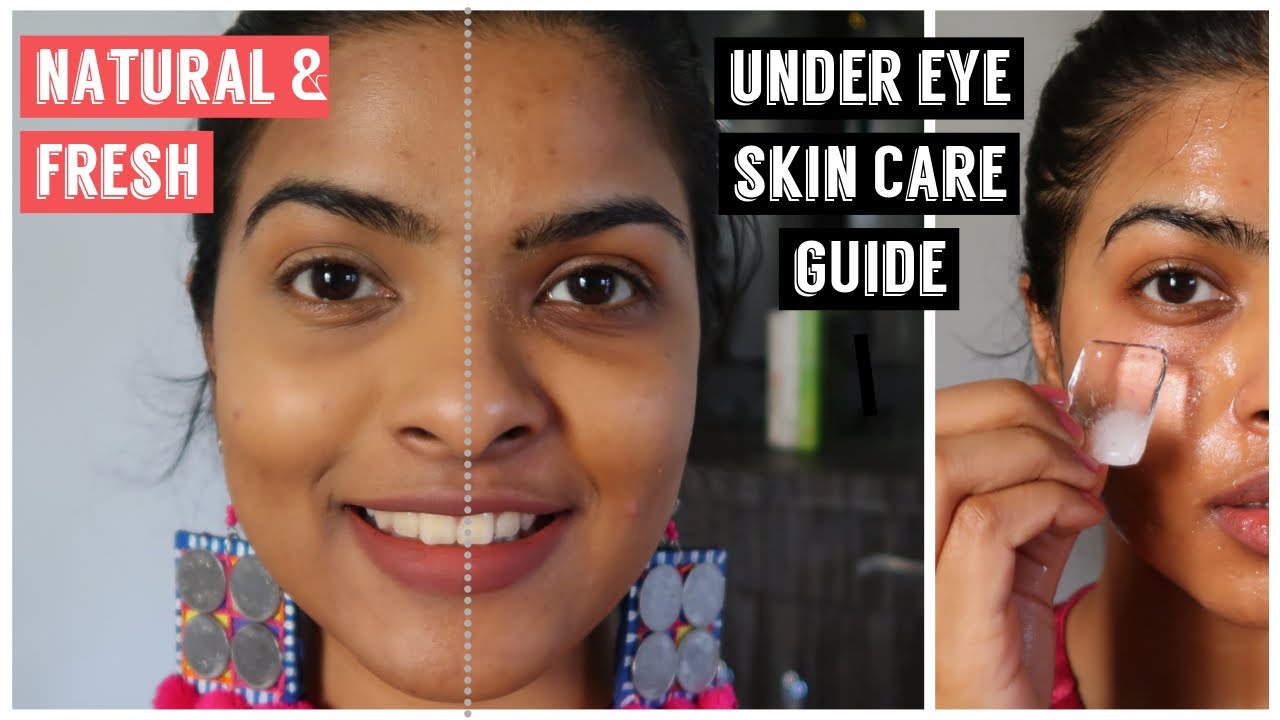
Puffiness can be linked to hormonal changes, lack of sleep, salty foods and allergies. A cool compress, made by soaking a clean cloth in cold water and applying it for a few minutes, may help reduce its appearance. The article also mentioned cucumber slices or tea bags applied for about fifteen minutes, avoiding salt and allergens where possible, and getting enough sleep.
Wrinkles and sagging become more common with ageing, sun damage and smoking. A firming eye cream or serum and daily sunscreen can help the area look smoother, and quitting smoking removes one of the causes the article named. There is no magic cure for sagging skin, so expect temporary, cosmetic improvement rather than a permanent change.
Sleep, Hydration, Diet and Everyday Habits
Lack of sleep can cause puffiness and dark circles caused by fatigue, so aim for seven to eight hours of sleep per night. An eye mask can help block out light and promote relaxation if you have trouble sleeping. Lack of sleep and stress can also contribute to under-eye bags and wrinkles, so build in breaks for deep breathing or meditation during the day.
Drink plenty of water through the day, and eat plenty of fruits and vegetables as part of your overall skin health. The article linked protein with collagen formation, naming lean meats, fish, beans, nuts and seeds as good sources. It gave citrus fruits, bell peppers, broccoli and kale as sources of vitamin C, and suggested avoiding diuretics like caffeine and alcohol if dehydration seems to be a factor.
For a short massage, the article suggested a small amount of coconut oil or almond oil, used with gentle pressure. Keep any oil on the skin around the eyes only, use gentle pressure, and avoid tugging at the skin.
Make-Up Around the Eyes
An eyeshadow primer before make-up can help create a smooth canvas and allow the make-up to look its best. Apply concealer over areas of darkness, choosing one that matches your skin tone closely and blending it well for a natural look. A little goes a long way, so start with less than you think you need and build up as needed.
Finish with a dusting of loose powder, if desired, to set everything in place. Use gentle make-up techniques throughout, and avoid rubbing or tugging at the skin around your eyes when you apply or remove products.
Safety: Keep Products Out of the Eyes
Everything in this article is for the skin around the eyes only. Avoid getting any cleanser, cream, oil, sunscreen or make-up remover in the eye itself, and stop using a product if irritation occurs.
For damaged or irritated skin, cleanse with a soft cloth and avoid harsh scrubbing, which can further irritate the skin. If you have an underlying medical condition that could be causing thinning skin, see a doctor, and see an eye doctor for eye symptoms rather than relying on skin care.
This article is general information only and is not medical advice. Please consult a healthcare professional for personal advice.
Conclusion: Gentle, Consistent Care
Under-eye skin is thinner and more delicate than the skin on the rest of your face, so it rewards special care when you cleanse, moisturise and protect it. A gentle cleanser, daily moisture, broad-spectrum sunscreen, enough sleep and careful make-up removal cover the core of the original guidance. Keep every step gentle, keep products out of the eyes, and let consistency, rather than harsh treatment, do the work.